Reach Out and Touch Faith: Lapham's Quarterly Roundtable
Originally published on Lapham's Quarterly Roundtable.
Traffic lights dot the streets of Naples like rhinestones. I’m not being romantic—I mean they’re shiny and worthless. Locals telegraph their unwillingness to stop on red with the internationally understood middle finger, which means tourists like me learn quickly that Neapolitan traffic isn’t ruled by lights or laws. It obeys the sea of motorbikes. Cars go when they go and stop to avoid vehicular manslaughter. Renting a car here wasn’t sensible, but it was the only way I could get to Bonito, where I had made an appointment to meet its most powerful and reclusive resident: a naked mummy named Zio Vincenzo Camuso, or, in English, Uncle Vincent.
Bonito is tiny. It’s not much more than twelve streets on top of a hill surrounded by Campania’s farmland. As soon as I turn off the dirt road onto the city’s cobblestones, a sign with a cross and arrow points me not in the direction of the parish church but toward Uncle Vincent’s shrine, a yellow stucco building that’s a little too big to be a mausoleum and a little too small to be an apartment. I borrow the key to the shrine from city hall and park across the street. I watch as two men in a garbage truck drive by: one makes the sign of the cross and the other tips his hat to the shrine’s iron door.
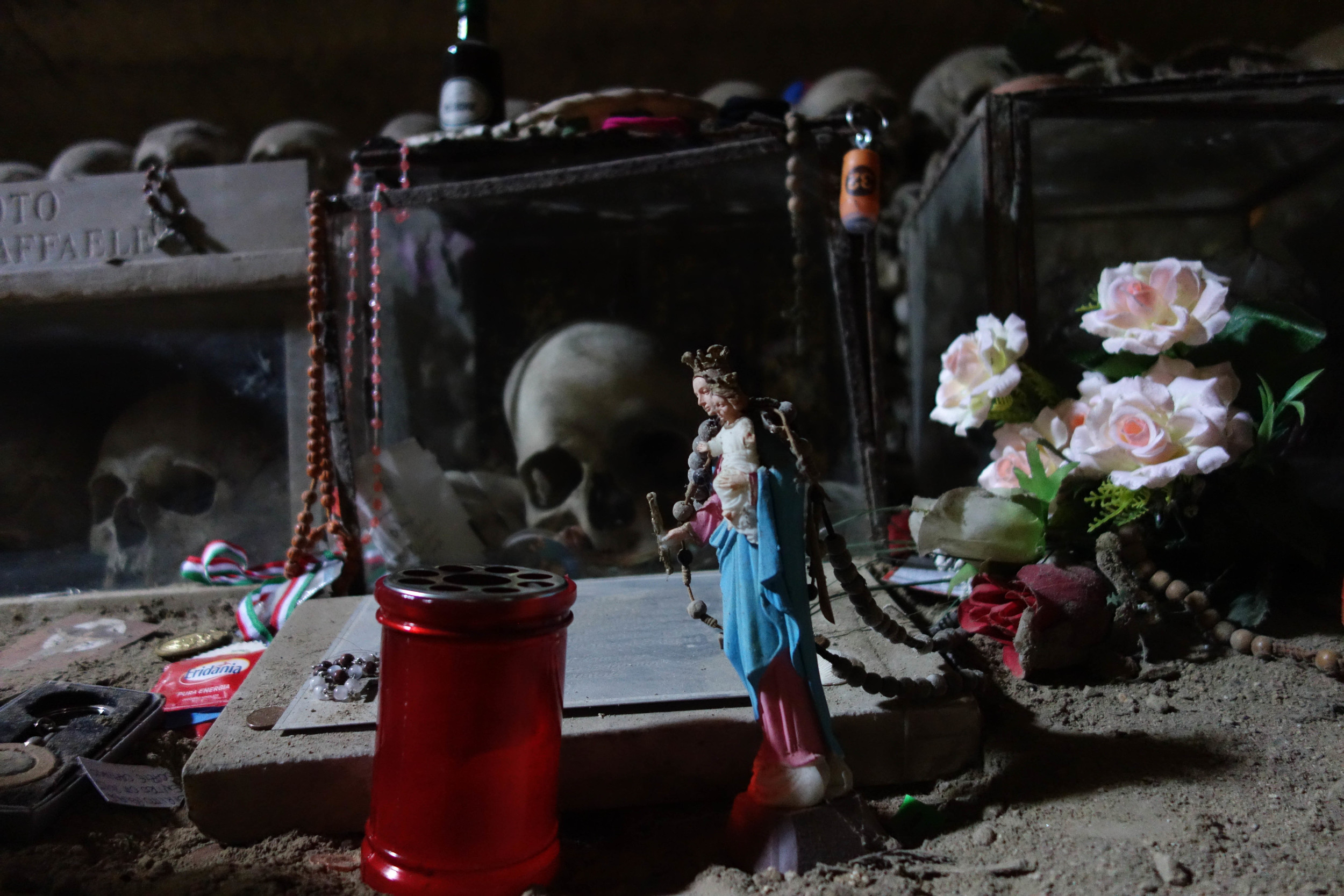
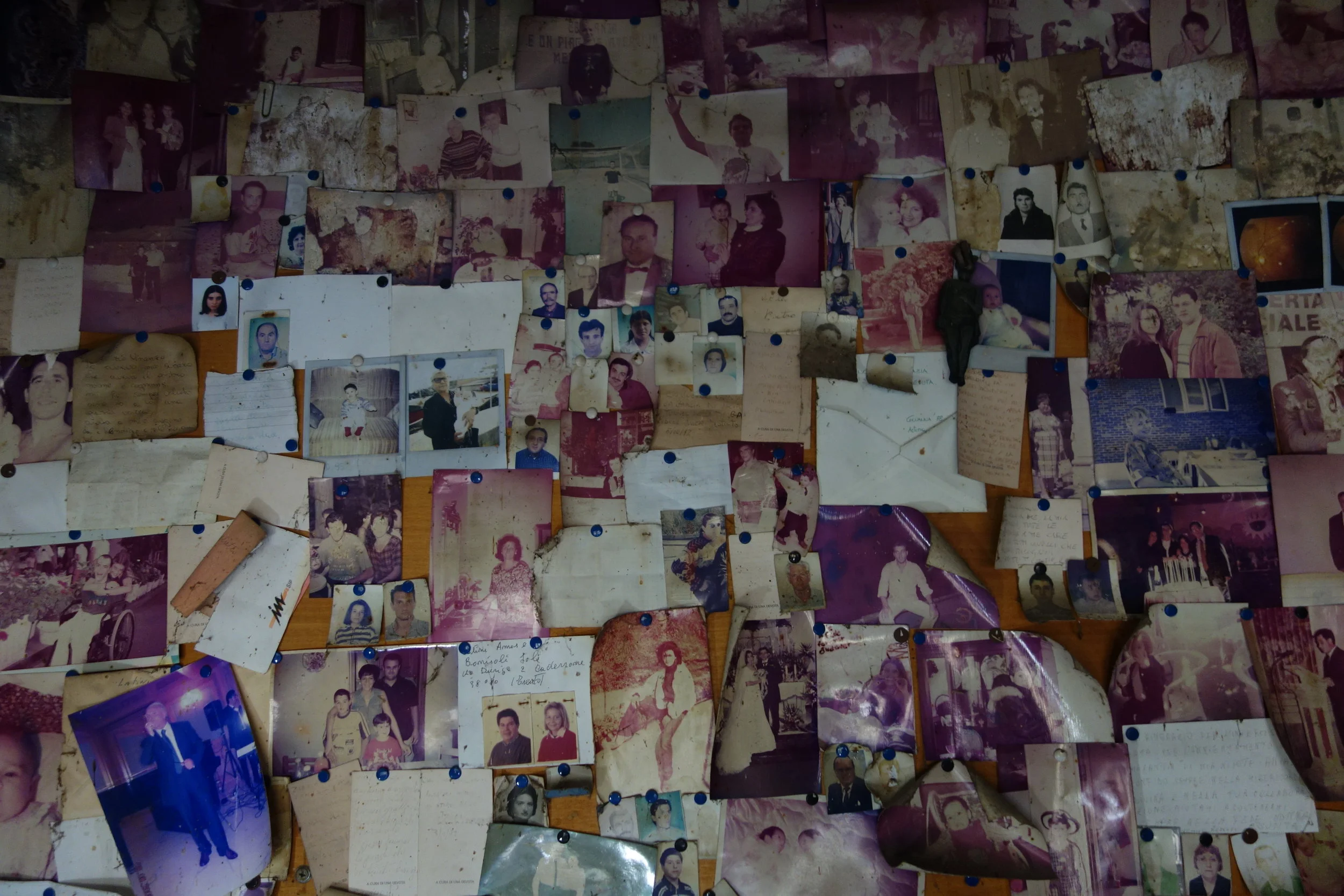
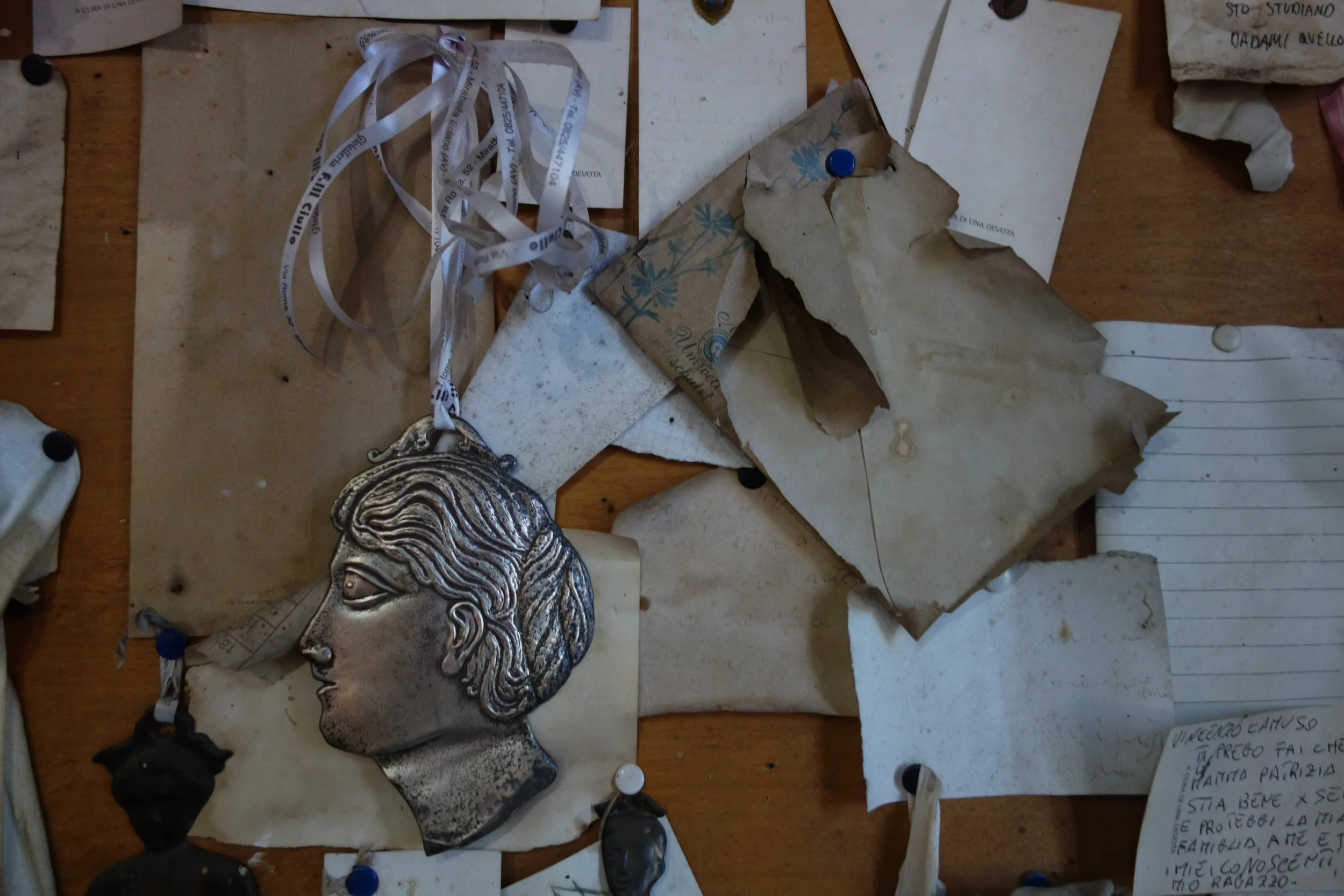
As soon as I’m inside, the reason for their reverence is clear. Uncle Vincent is known for granting miracles. Photos and gifts from grateful recipients are stuck to every wall and stacked in every corner. There are rosaries, electric candles, potted plants, and ribbons, and baby clothes and thank-you notes from women who asked for help in childbirth. There are hundreds of flat metal charms called ex votos left by people whose prayers to Uncle Vincent have been answered. Sometimes the charms represent the thing they asked for—a baby or a computer—but mostly they depict body parts that have been healed. On one wall a copper leg is pinned to a corkboard next to a picture of a smiling man with his leg in a cast. There are metal eyes, breasts, hands, guts, hearts (both the sacred and the anatomical variety), and even a paunchy belly. A photocopied page of local lore at the shrine describes how hands-on Uncle Vincent can be when he grants these medical miracles. Some people believe he operates on his devotees in their sleep, leaving them cured but with a telltale scar to prove that the work’s been done.
Ex votos, photograph, and notes at the shrine of Uncle Vincent. Photograph by Elizabeth Harper.
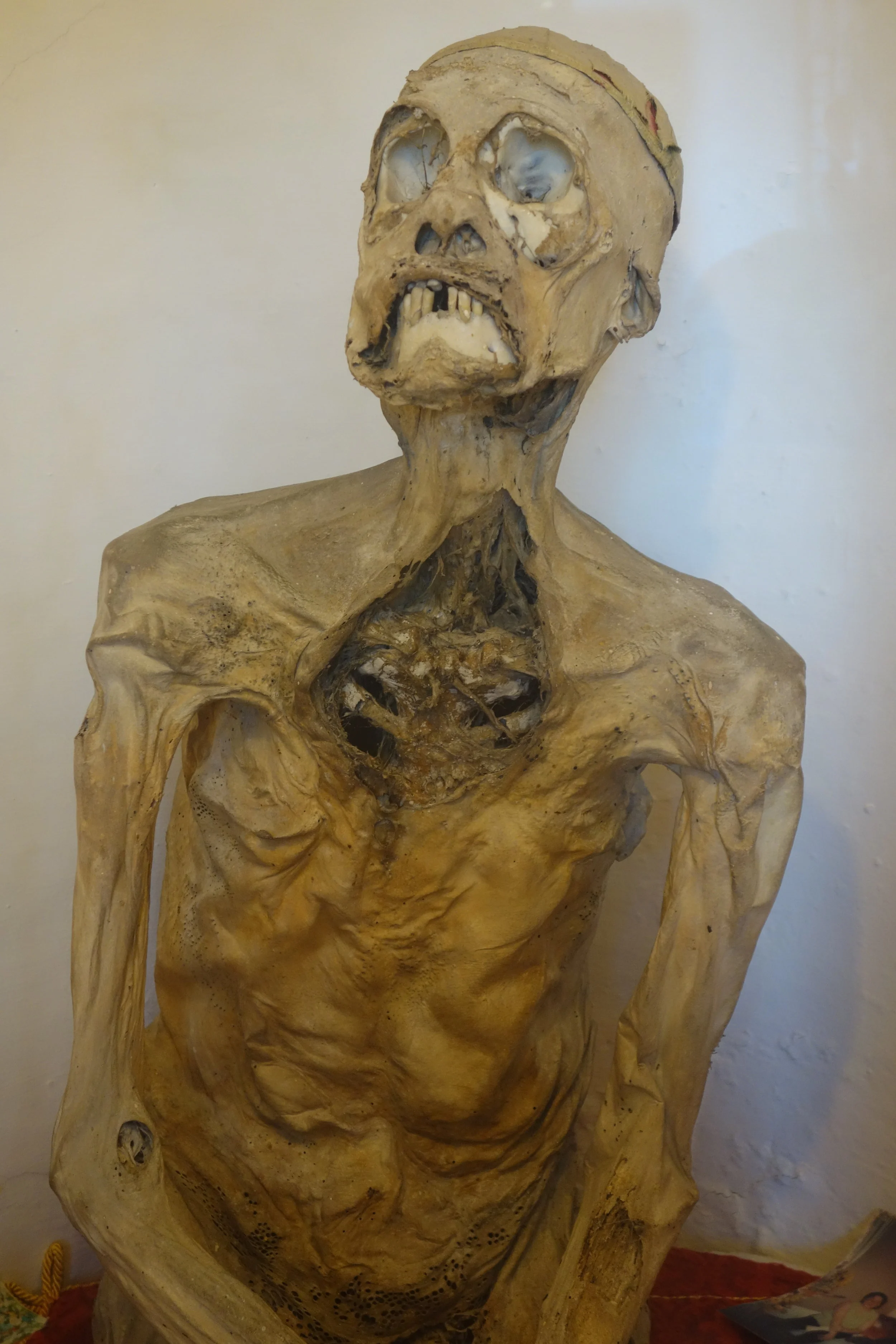
On the left side of the shrine is a marble niche containing the seated body of the man himself. The Plexiglas door between us has knee-high vents; I could kneel down and whisper my prayers to him if I wanted to. But I wonder if he could hear me—his ears are a little caved in. His skin is dusty brown and drapes over him like a limp paper bag, curling around whatever cartilage it finds. The bone on his chin is bare and the flesh on his cheeks sags so much it looks like he has a handlebar mustache. His ribcage peeks through his open sternum as if his skin were a shirt left casually unbuttoned. Combined with the flesh mustache, it gives him a 1970s look that I find kind of charming. He is conspicuously missing the tips of his toes. Thanks to the positioning of his hands in his lap, he is less conspicuously missing his penis, which was deemed immodest and amputated sometime before 1957, when its removal was mentioned in a letter from the archpriest of Bonito.
As an American, I find the sight of a corpse displayed like this a little shocking, but it isn’t so unusual. Catholic churches, particularly in Italy, often display the corpses of saints. In shrines like Uncle Vincent’s, I’ve seen skeletons in formalwear lying in Sleeping Beauty caskets, and gilded boxes containing holy hearts, tongues, heads, arms, toes, and almost any other body part imaginable. The reason is relic veneration, a type of prayer where people ask for a saint’s help in convincing God to answer their prayers. Because a mystical union is believed to exist between saints’ bodies on earth and their souls in heaven, the places where saints’ corpses (or at least parts of them) are kept become a kind of portal between heaven and earth. Plenty of churches are strewn with the holy dead.
According to the Catholic Church, saints (and their bodies) don’t actually have the power to grant miracles—only God can do that. But that isn’t reflected in the way relic veneration works in practice. Many Italian Catholics pray directly to the saints and rely on them to intervene based on their specialties. Some of the more common requests might sound familiar. If you’ve lost your keys, pray to Saint Anthony of Padua, patron saint of missing things. If you need to sell your house, pray to Saint Joseph the Worker and bury a statue of him in your yard. This is the tradition that also leads people to pray to Uncle Vincent.
Notes at the shrine of Uncle Vincent. Photograph by Elizabeth Harper.
Technically, the church rejects the idea of praying for direct intervention, but the clergy has a history of looking the other way to avoid alienating otherwise devout Catholics. In the gray area between folklore and orthodox Catholicism, these relationships with saints often become transactional: mortals promise prayers and offerings (such as ex votos) if the saints deliver what they need. But sometimes the prayers go unanswered. In America that’s when the faithful talk about “God’s plan,” but in southern Italy, they might just ask a different dead guy.
When a saint doesn’t respond at first, the petitioner may assume the saint is too busy. In that case, one option is to threaten the saint with replacement. (The citizens of Naples tried this in 1799 when they threw the bust of their formerly beloved patron, Saint Gennaro, into the sea after his dried blood miraculously liquefied in the presence of a French general and seemed to consent to the occupation of Naples. The citizens briefly replaced him with Saint Anthony, who proved ineffective against a volcanic eruption and was fired as well.) But if that doesn’t work, there’s another option that’s even more extraordinary. The petitioner may set her sights a little lower and direct her prayers to a soul in purgatory—a place where flawed souls on their way to heaven are purified in fire. The hope is that since the souls of these regular people are more plentiful and receive less attention than the saints, they will be happy to hear any prayer directed their way. They may respond even faster and be more likely to grant favors if the living also pray for a little refrisco for them—a temporary relief from the flames of purgatory that is supposed to feel like a cold drink on a hot day. It’s a perfectly logical solution: when the demand for Catholic souls in the afterlife is too high for heaven to accommodate, add to the supply by including souls in purgatory.
This is where Uncle Vincent is, spiritually speaking; people in Bonito generally believe his soul remains in purgatory. Yet the official doctrine of the Catholic Church says purgatory is only a temporary stop in the afterlife, one that souls usually try to hurry through. In orthodox Catholicism, people pray for the souls of people they know in purgatory in hopes of getting them into heaven faster; they never pray to them. In folk Catholicism, however, you don’t ask for favors and offer refrisco to the souls of people you know. Instead you pray to souls like Uncle Vincent, the purgatory lifer (or afterlifer).
In southern Italy, especially around Naples, there’s a persistent folk belief that if the names of the dead are forgotten, their souls can’t be prayed for and hurried through purgatory. These unlucky souls remain there forever, but it is believed they are particularly effective in answering prayers if contacted by the living—either through prayer or through the adoption and care of their anonymous remains. This is a helpful tenet in a region that has a lot of forgotten, nameless bodies heaped on top of one another after four hundred years of earthquakes, shellings, volcanic eruptions, floods, and plagues. Go into one of the caves around Mount Vesuvius and you’ll probably find a pile of potentially helpful new friends.
Vincenzo Camuso is one of these powerful but anonymous souls because Vincenzo Camuso probably isn’t Vincenzo Camuso at all. He was named long after he died, and there’s no record of where his name came from. No one is even sure when he died—it could have been the late 1600s or early 1700s based on a description of a confraternity robe his corpse used to wear. But he might have died as late as 1822, when a local court record mentions a Vincenzo Camuso who was charged with theft and general mayhem. Or maybe he was the Vincenzo Camuso from 1722 whose name appears in town records for making a payment on a vineyard. These theories assume that Vincenzo Camuso was his real name, but it could have been the name of the person who found his body or a name inscribed in a crypt that actually belonged to someone else.
What’s certain is that Vincenzo’s body is stuck in the seated position because Bonito’s Brotherhood of the Good Death was responsible for his burial. Members of this confraternity charitably cared for the town’s dead before undertaking was a secular profession. They were the ones who originally brought Vincenzo’s corpse to their crypt at the Oratory of Santa Maria Annunziata, where they placed him in a putridarium—a room where multiple corpses were left to rot on strainer seats until nothing but bone remained. The bones were supposed to be transferred to a final resting place after the decomposition process, but Uncle Vincent mummified instead—a curious but not uncommon occurrence, given the region’s arid climate—so he never made it that far.
Uncle Vincent, aka Vincenzo Camuso. Photographs by Elizabeth Harper.
The Brotherhood of the Good Death operated for hundreds of years in Bonito, which means the only clue their involvement offers is that Vincenzo must have died sometime before 1849—the latest date the putridarium was used in Bonito, before Napoleon’s public health codes took effect. The French were repulsed by the Italian tradition of leaving corpses to rot in church basements, leading Napoleon to issue the Edict of St. Cloud in 1804 and force churches to abandon their crypts. But the law wasn’t observed until 1849, when all bodies began to be sent to the cemetery just off the main road on the outskirts of town. The Bonitesi, like many other southern Italians, had been reluctant to give up the putridarium. It allowed for a longer relationship with the dead that mirrored Catholic ideas about the afterlife. The putridarium resembled purgatory: a nasty, liminal space for the purging of sin or flesh. The final resting place for the bones was a private niche or mass ossuary that resembled heaven: clean and permanent. But Uncle Vincent never rotted away and thus never rested in peace—an appropriate outcome for the remains of someone who wound up stuck in purgatory. After mummifying in the putridarium, he began a long posthumous career as human decoration.
In the twentieth century, long after Bonito’s putridarium was retired as a place for bodies to rot, the crypt at the Oratory of Santa Maria Annunziata kept a few mummies and bones around for ambience and to remind the congregation to pray for souls in purgatory. Such human remains had no special powers and were thought to be no different than the crypt’s terra-cotta sculptures of people in the flames of purgatory—just another piece of inspirational decor. During this period, Vincenzo Camuso sat wearing a confraternity robe in a wooden niche alongside a woman who had also mummified. They remained there until the earthquake of 1930, when the woman disintegrated and had to be buried. The quake denuded Uncle Vincent of his robe, but his body stayed seated in his niche.
It wasn’t until 1950 that Vincenzo became unusually popular. The congregation built a new marble-and-brick niche for him, located not in the crypt but upstairs, on the left side of the oratory. On the right they built a similar niche to house the relics of Saint Crescenzio, whose bones were encased in a wax effigy of the boy martyr, beheaded at the age of eleven. The pairing seemed to imply that Vincenzo, a mummified nobody, was equal to a martyred saint. Maybe that’s why rumors began to spread that Uncle Vincent could answer prayers more reliably than Saint Crescenzio. People who prayed in front of the saint’s relics began to report that Vincenzo’s mummy called to them, asking for oil to keep the lamps burning near his niche. By the following year, a rogue priest at the oratory was secretly selling postcards with Uncle Vincent’s picture.
The priest was taking a serious risk. Catholic dogma holds that souls cannot become trapped in purgatory, and the idea of purgatorial souls answering prayers is considered superstitious at best for a layperson and positively heretical for a priest. Nonetheless, a number of churches will be happy to sell you postcards of allegedly miracle-working bones still in their crypts. I bought a few at the gift shop for the church of Santa Maria del Purgatorio ad Arco in Naples, including one of a rhinestone-tiara-wearing skull named Lucia known for finding suitable husbands. These postcards ostensibly help pay for the churches’ preservation, but they also turn what used to be powerful relics into museum exhibits, things of the past that can now be seen only on a tour under a docent’s guidance. It’s hard to interact with the bones spiritually if they’re commodified for tourists. Though they seem to harken to a forbidden form of veneration, in fact they represent a crackdown on the southern Italian practice of worshipping forgotten souls in purgatory.
But in the 1950s devotees of Uncle Vincent treated his postcards like prayer cards and began thanking him for the favors they believed he was granting. At first, Vincenzo’s acolytes kept his oil lamps burning, but soon they had electric lighting installed in his niche. People left gold and silver jewelry, charms, candles, letters, money, and photographs. By May 1962 the local bishop warned that Vincenzo Camuso could be the center of an illicit cult. If the priests wouldn’t move him from the oratory, he would issue a bull and move him by force.
Ex votos at the shrine of Uncle Vincent. Photograph by Elizabeth Harper.
It never came to that. In August 1962, another earthquake hit Bonito. A number of sources claim that this destroyed the oratory where Uncle Vincent sat, but some people deny it, explaining that diocesan authorities ordered the destruction of the oratory despite minimal damage to the building. Given the bishop’s threat, it’s easy to guess why. Saint Crescenzio moved to the new parish church, but Uncle Vincent found another way to persevere. A group of Bonitesi who had immigrated to America paid for the reconstruction of a small part of his old oratory. This is the little shrine where Uncle Vincent sits today.
Despite all the friends and admirers he’s made over the years, Uncle Vincent has a well-known dark side that unnerves me a little when the two of us are alone. When he’s not healing people in the hospital, he seems to enjoy sending people there. Doubt him and he may beat you with a stick or a human bone or push you into a ravine, as he supposedly did to a mason who cursed him while working on the restoration of his shrine. Another supposed victim was the fascist mayor’s wife, who covered him with a sheet because she was ashamed of him. People say Uncle Vincent beat her to death in her sleep and then came for her young husband a year later. It’s a good story, but it’s easily disproved. The mayor in question would have to be Attilio Grieco. He died of a stroke at sixty-seven, and his wife didn’t die until twenty-three years afterward. Uncle Vincent seems like a particularly violent kind of saint, a revisionist capable of exorcising fascism and nonbelievers from the pages of Bonito’s history.
One might wonder if the Uncle Vincent phenomenon is simply a case of mass hysteria—an isolated town that has animated a corpse with little more than the power of collective imagination—but that wouldn’t explain his love of travel. A woman from Catanzaro, a town about five hours to the south, said she had never heard of Bonito until Uncle Vincent visited her in a dream in 1975. He introduced himself and asked her to pray for the salvation of mankind. Another local legend is that his spirit went to Venezuela in 1962, speaking in Bonitesi dialect through a medium at a séance. Uncle Vincent’s appearance at a séance seems appropriate: his democratic appeal, and that of other souls in purgatory, recalls the Spiritualist movement, which popularized the séance and was led by women who lacked access to power in traditional society and religion. In Uncle Vincent’s case, his power can be accessed by people who feel left out of the Catholic Church with its patriarchal and class-based power structure.
I pick up a few prayer cards printed with a midcentury photograph of Uncle Vincent and take the shrine’s key out of my pocket as I prepare to leave. Then I notice a second key on the ring. It is small, as if it belongs to a safe deposit box. The only other lock in the shrine opens the Plexiglas door that separates me and Vincenzo. Now I notice the photos and letters carefully arranged around his body and see the gold necklace that someone had placed in his hands, the thin chain wound around his fingers. I could open that last door, but to what exactly? A violent punishment? A divine favor? Or maybe access to a place where this world and the next seem a little closer. But I don’t need any special powers to get there. I just have to befriend the naked man on the other side. I don’t unlock Uncle Vincent’s door, but I feel a tiny stirring that asks me to keep his lights on as I leave, locking the door behind me.

The Passion of Holy Week: LA Review of Books Blog
Originally published on the LA Review of Books Blog.
As a child I used to condemn Jesus to death at the start of every Holy Week on Palm Sunday. Our priest would read from the gospel of John and he’d ask, lightly in character as Pontius Pilate, what we should do with the son of God. “Crucify him!” we’d say, with varying degrees of enthusiasm. That was what the script in our missalettes said, but I wished I could say something different. My religion teacher had taught me what happened to a crucified body — how the nails pierced the space between the wrist bones, how the body slumped forward from exhaustion, and how this probably pulled the arms from their sockets before asphyxiation. It upset me to see everyone at church, even the nuns, call for anyone’s death this way so at some point I decided to only mouth the words, failing to grasp the point of the spiritual exercise but sincerely trying to not kill Jesus again this year.
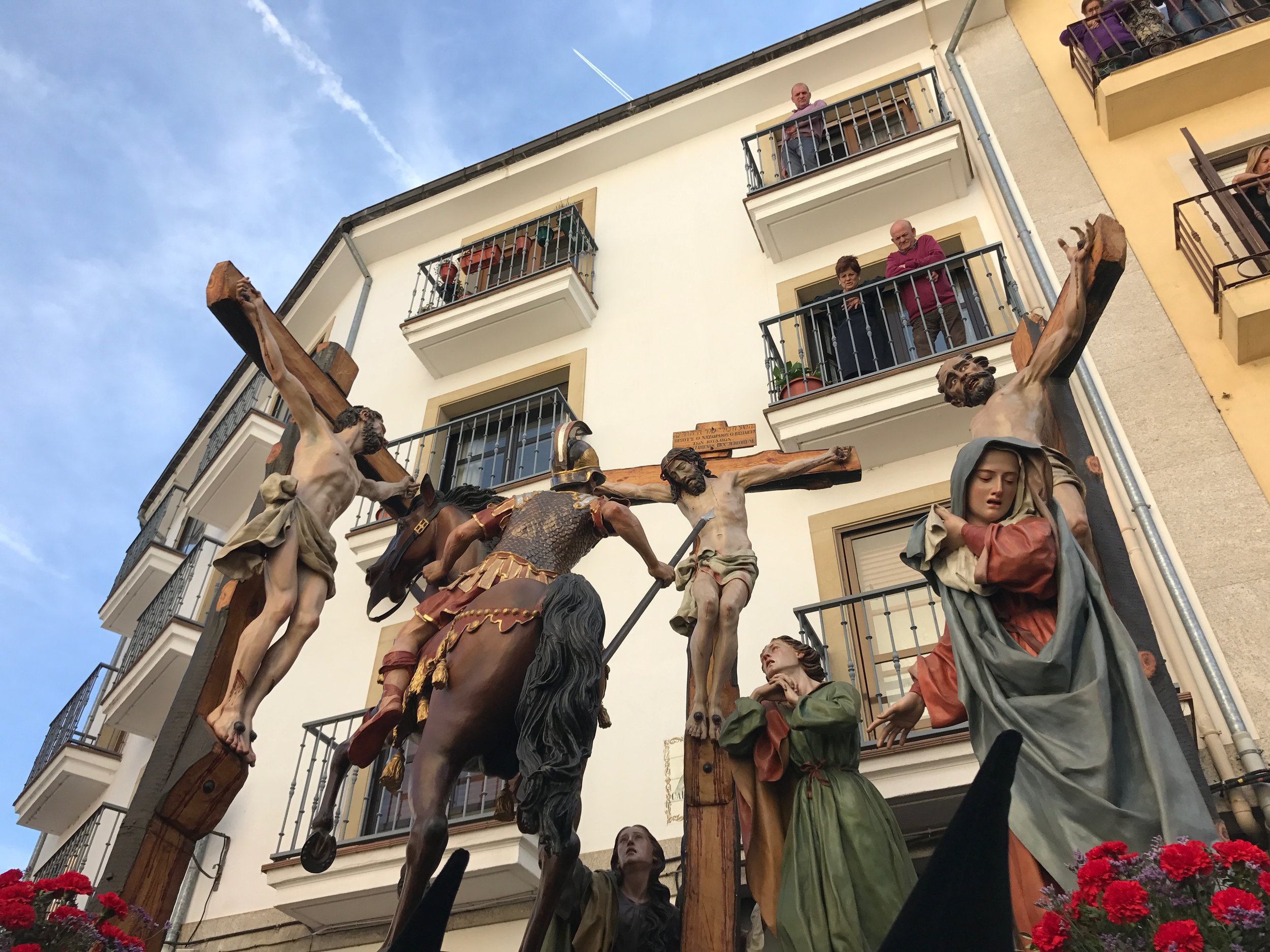
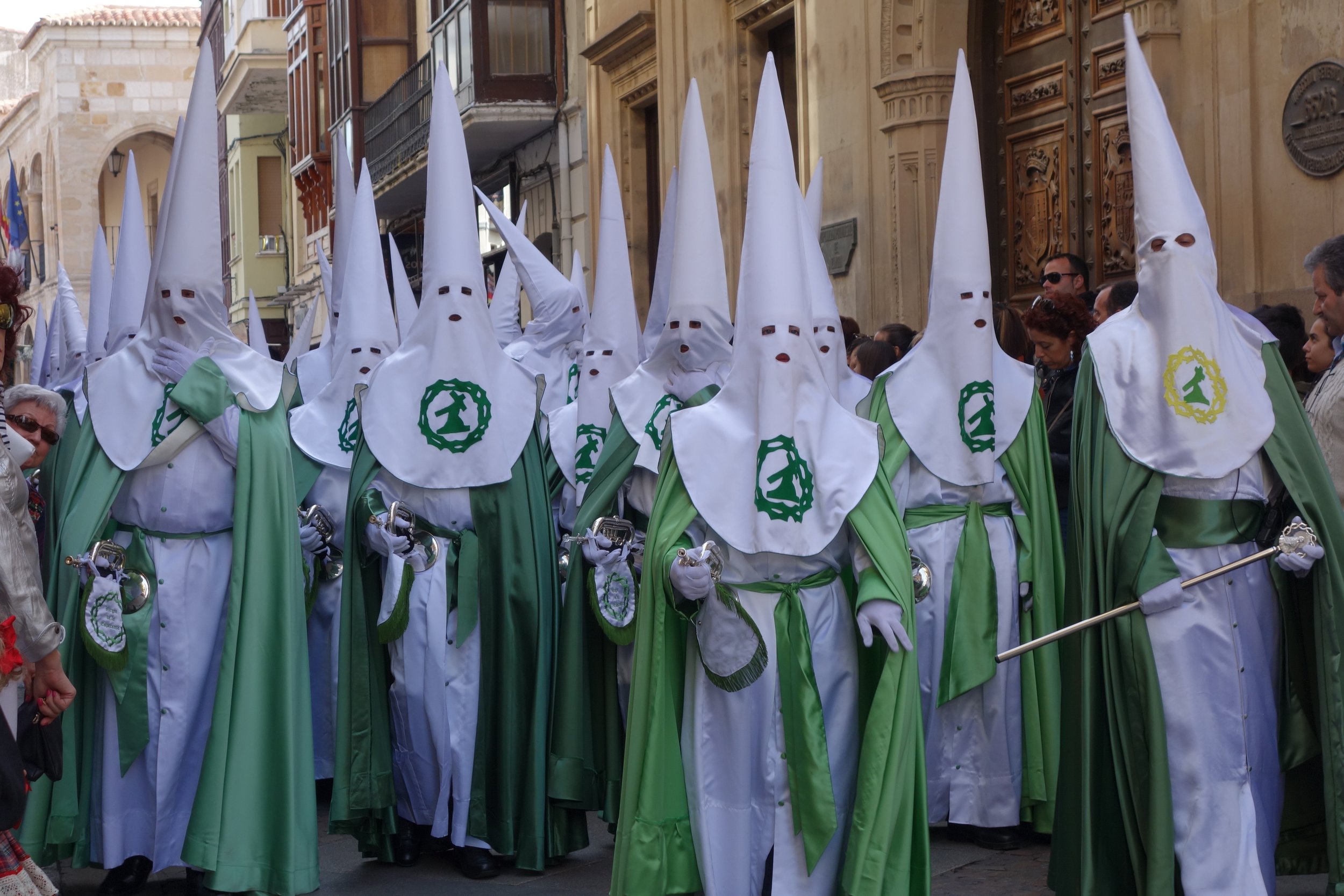
I think it was these early memories that led me to Zamora to see Spain’s oldest Holy Week celebration last year. It began two days before Palm Sunday and ended nine days later on Easter. Wikipedia advised me that unlike the celebrations in bigger cities, this one would be somber and contemplative. Here, participation went beyond a call and response at mass. About half of the residents of Zamora were members of one or more of the city’s 16 confraternities, some of which have over 1,000 members. For most of the year the confraternities function as loose social and charitable clubs but during Holy Week they mount 17 crucifixion-themed processions which recall their original purpose — a way for members to atone for their sins.
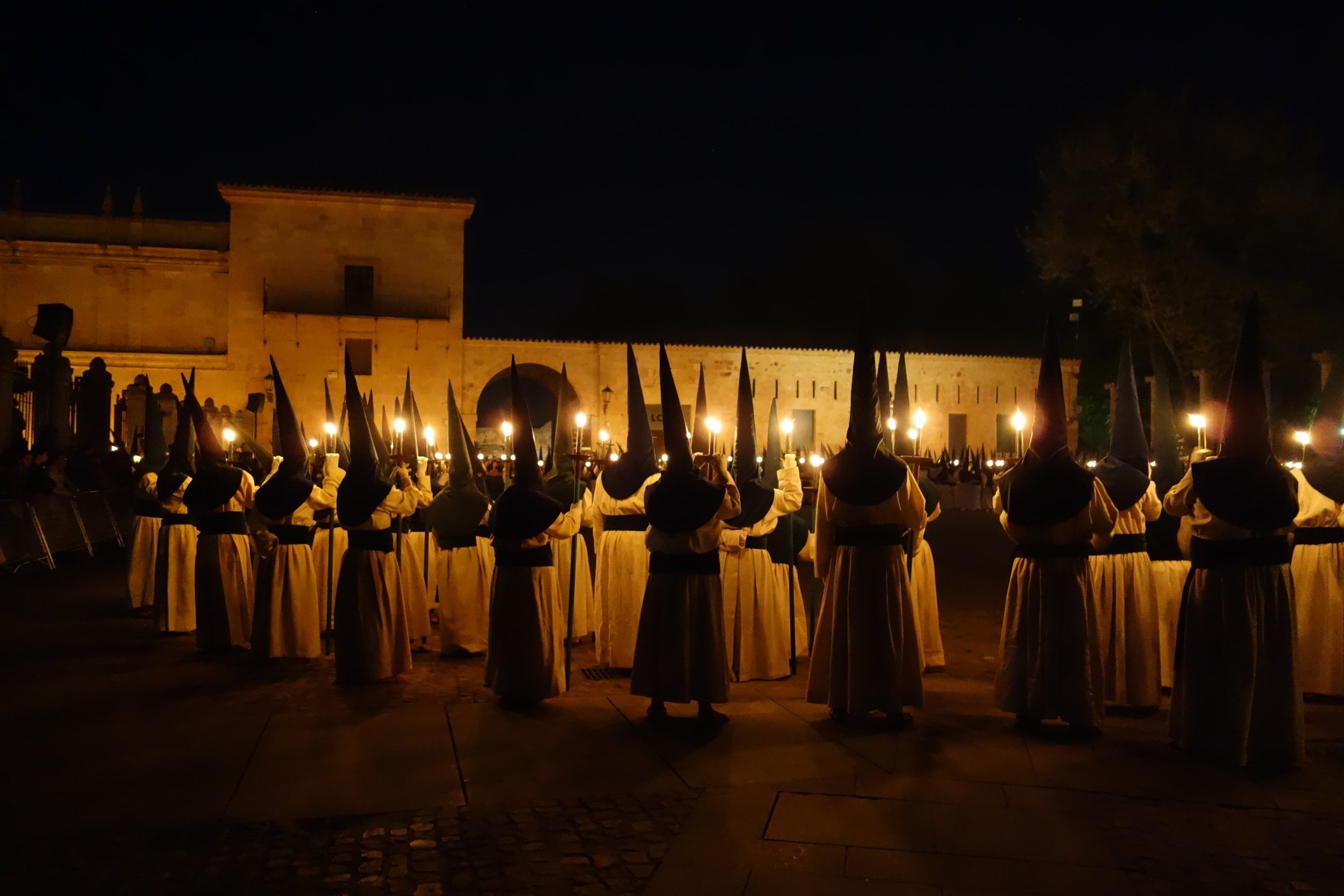
During the processions the confraternity members wore floor-length robes and capes. Some had a simple hoods but most included caperuzos, the iconic meter-high conical hats with fabric flaps that cover the wearer’s face. Let me get it out of the way: the confraternities looked a lot like the Klu Klux Klan. When they trudged through the city at night carrying torches and crosses, it didn’t look good to an American like myself. But the people of Zamora have been celebrating Holy Week the same way since 1279 and they aren’t going to change for a bunch of 19th-century racists. Originally, the caperuzos mimicked the hat used to shame criminals and symbolically shamed the wearer for their sins. The hoods protected their identity so no good deeds done as penance could be attributed to anyone.
The highlights of the Holy Week processions were the pasos — wooden parade floats carried on the shoulders of confraternity members with life-sized figures illustrating the Passion of Christ on top. Most were bloody: Jesus crowned with thorns, Jesus stripped and tortured, Jesus as a corpse with his body rendered in a light green. Everyone in Zamora found a spot with a good view of the pasos hours before the processions started. We amused ourselves by checking our phones or eating packets of sunflower seeds. The teenagers next to me texted and met up with their friends, planning for a night when curfews were suspended. At this point we were midway through the week so the festivities were nearly continuous with a midnight procession ending just as the five a.m. procession began.
I got a text from a friend who had been to Zamora while studying abroad. “How’s Holy Week?” she asked, “Is everyone still making out?”
“YES,” I replied.
Wikipedia didn’t alert me to this fact, but it was true. The processions that night would be a lot like the ones before. They were solemn and completely silent events except for a single drumbeat or a chanted funeral dirge. But as the night wore on, couples pulled each other closer as the temperature dropped. High school girls ditched their sweaters and compensated by getting closer to the boys, the more enterprising of whom had brought blankets, ostensibly for warmth but also good for shielding wayward hands from the eyes of the Virgin Mary. She floated by after midnight on her paso, cradling her dead son, escorted by hundreds of hooded men in black.
Anyone tempted to blame their less-than-reverential behavior on the fact that these kids were millennials or whatever the Spanish word is for “kids these days,” only had to look as far as the town square to see that a certain amount of fooling around wasn’t just tolerated but had somehow been a part of the experience here for a long time. Huge black and white photographs of Holy Weeks gone by were hung on the sides of the buildings, mostly highlighting how little had changed in Zamora except for fashion. In one of them, a girl straddled a boy’s lap. Their faces were buried in a deep kiss and they pulled each other closer by the waist and the neck. They seemed oblivious to the camera and even less aware of the life-sized Jesus directly behind them, dragging his cross to Golgotha.
This picture of eroticism in the face of an execution emphasized a paradox that I had noticed all week. Wherever there’s death, there’s decadence. It was threaded through every aspect Holy Week, though often in less salacious ways. For the whole week in Zamora, no one seemed interested in work except for the people selling food, drinks, candy, and cigarettes, which everyone — including the sellers — had bottomless appetites for. But the specter of death that marched by us tainted even these simple pleasures. Their consumption was anxious, more in line with the excesses of a last meal than the celebration of a feast. It was as if we collectively wondered, if even God can die a painful and humiliating death, then what might be in store for all of us? What might our fellow crowd-members say if it was our fate that was in their hands? Or more chillingly, I asked myself what I was capable of. Me, the one who said “crucify him.” We all knew that the apex of our own cruelty, and the cruelty of our fellow men, was our own death. So while the human sacrifice we demanded in church played out in the streets, we indulged like dead men walking in tapas and wine bars that stayed open until dawn. We reached out to each other for what seemed like it might be one last time.
The connection between decadence and death has long and sordid history. But I don’t think it’s been better examined or explained than by the French philosopher and sometimes dirty-book-writer, Georges Bataille. According to Bataille, a life that’s spent dedicated to productive activities — the kind of everyday work left undone during Holy Week — is a life that’s obsessed with its own legacy which can live beyond a human lifespan. This is a kind of immortality and a life that’s dedicated to immortality is actually obsessed with the avoidance of death. This is a life that’s denied. So according to George, to live is to practice dying, or to die just a little. There’s a reason the French called an orgasm la petit mort.
In Bataille’s mind, the kind of sex that allows you to die a little (which is not the kind intended to make babies to carry on your lineage) is an act of violence. It violates our borders. It’s a loss of control — a moment when people’s innermost places react without the consent of the brain, puppeted by another. It’s horrifying and embarrassing, but we do it because for a moment, we’re not alone. When we obliterate the boundaries of our body and the parts of ourselves we call our identity, we find the ability to connect to something greater than petty self-preservation. In the case of sex, we connect to another human being. But sex is only practice for the more violent obliteration to come. We lose control of our bodies again when we die and decompose. At that time, we’ll be stripped not just of our clothes but our flesh. It’s more horrifying and more humiliating, but by doing so, we’ll finally become one with the earth and with the history of the world, something much bigger than an infinite number of partners.
I’m sure I was thinking about death when I started talking to a confraternity member outside the church in the main square. He was still wearing his robe and carrying his red cone hat from his procession a few hours earlier. We talked until the midnight procession went by and then ducked into a bar around one a.m., though the procession would still wind through the city until sometime after three. The place was full of 20 and 30-somethings back in town for Holy Week and the scene reminded me of the bar near my high school on the night before Thanksgiving. Everyone was both a local and a tourist. Miniature reunions happened whenever someone walked through the door and no one was too eager to get back to their parent’s house.
The confraternity member and I got a drink and he told me about the subtleties of all the different processions while I took notes. According to him: the group with the black velvet robes were snobs. The ones with the hoods that look like sacks instead of cones were working class and a lot more fun (he was a socialist, so I took his characterizations with a grain of salt). All the guys who carried the pasos in his confraternity were year-round drinking buddies. There was no rehearsal for the parades. Sometimes people decided to march barefoot, not because they were particularly pious, but because it was actually easier than walking on cobblestones in dress shoes and it’s the kind of thing that would make your mother proud.
At some point after our first drink, I stopped taking notes. After our second drink we hated the same things, and were eviscerating Hemingway for being a jackass in Spain. After our third we were in full Hemingway mode: pressed against a medieval city wall and engaged in heavy gonzo cultural anthropology.
Eventually I rediscovered my bearings and my boundaries and we parted, going our separate ways for the night or at least whatever was left of it. I snuck past another couple on a park bench who seemed to have no intention of doing the same. I walked through Zamora as the black sky turned navy and passed a group of kids in a parking lot. They were blasting Ed Sheeran and still drinking red wine and Pepsi out of plastic Solo cups. They were dazed, oblivious to the impending day but in that moment I couldn’t muster judgment — I had obliterated myself in only a slightly different way and anyway I was pretty sure my skirt was on backwards.
I went back to my room and slept through the five a.m. procession, barely pulling myself together for the one at nine. He and I didn’t see each other again and processions wore on, each a little more like the next until cannons fired on Easter morning, shaking everyone, including me, out of their grasping, melancholy haze. Folk bands played in the streets and order was restored to our briefly apocalyptic world. Our transgressions were set right again: life became productive, we returned to polite self-sufficiency, and even the God we killed rose from the dead and forgave us all. Of course we had known this would happen. We do it every year because we need a little death in order to stay alive.


Our Adored Cadavers: Hazlitt
Originally published on Hazlitt.
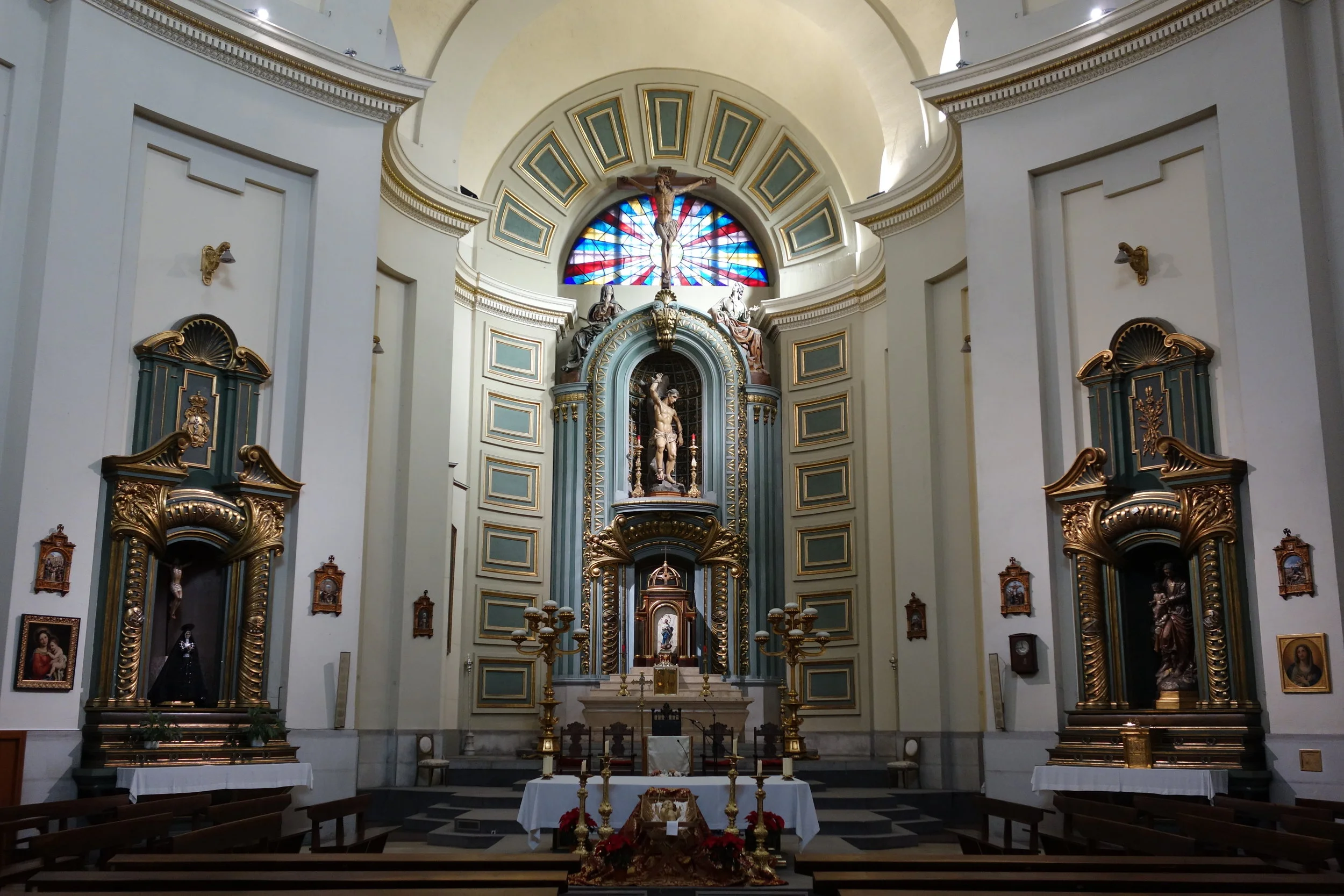
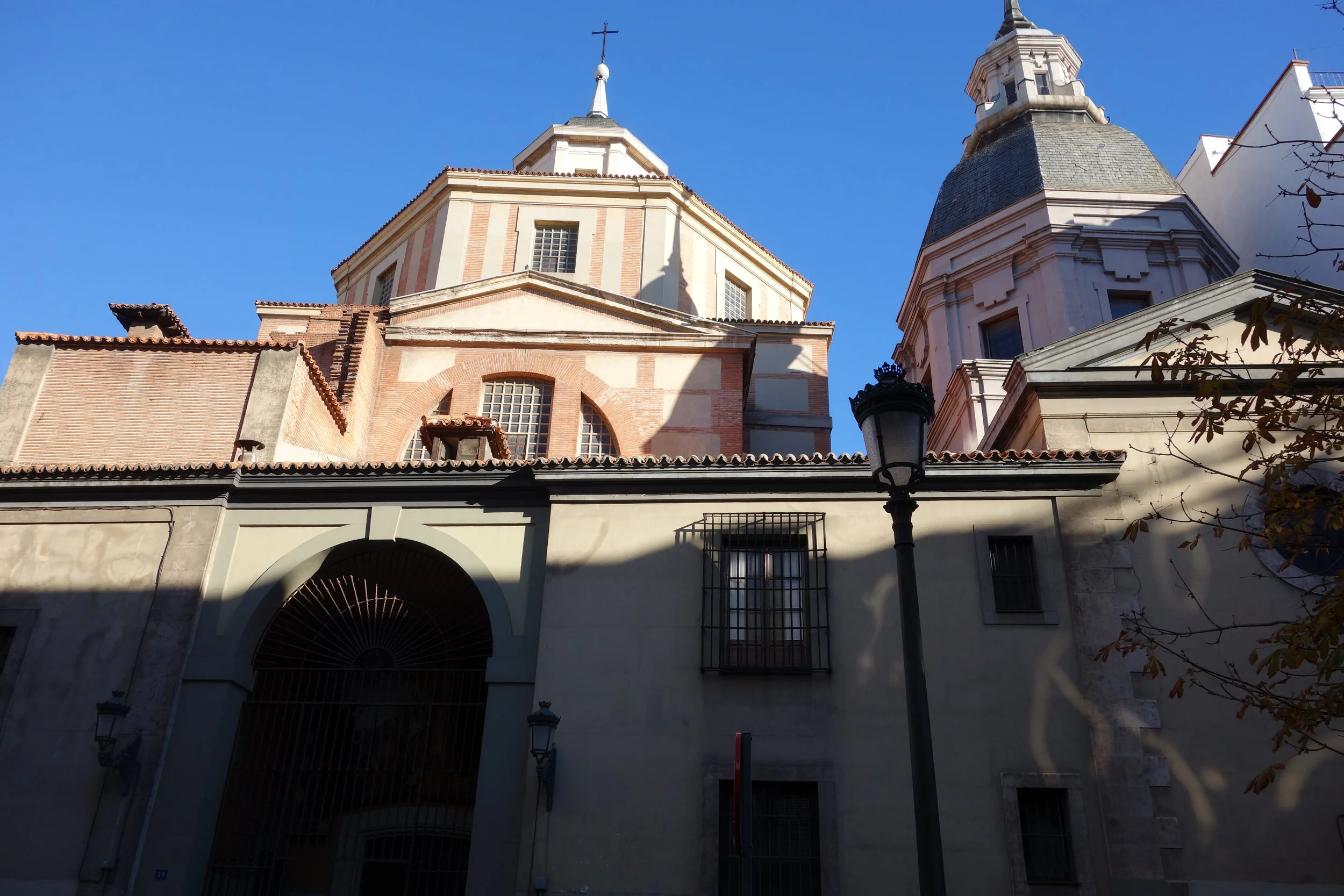
On an exterior wall of St. Sebastián’s church in Madrid, there’s a little tile sign dedicated to a poet. “In this church,” it reads, “Lope de Vega Carpio was buried in the year 1635.” The sign is decorated with a sketch of the church to which it’s affixed, showing the building in its pre-1930s state, before bombs leveled it during the Spanish Civil War. The shape of the building is still recognizable, but it’s drawn from the back and features a cemetery where an outdoor flower shop stands today. There is something funereal that clings to that flower shop. It’s in the black iron fence and the floral arrangements. It’s in the new black sign arching over the entrance that says, “Never stop dreaming.” A harmless cliché, but once you know the history of the place, it reads like a memo to the bodies once buried below. Never stop dreaming. Please, don’t let anyone disturb you from your eternal sleep.
María Ignacia Ibáñez was a body who should’ve stayed at rest. She was buried here, at St. Sebastián’s, in 1771, after dying of typhoid at the age of twenty-five. She was a famous actress in Madrid, but despite her success, she didn’t get a little sign like Lope de Vega; she isn’t even included in the church’s list of notable deaths next to other artists, architects, and writers. But this is unsurprising: the church would probably like to forget about her, her gravesite, and most of all, her boyfriend, José Cadalso. This is thanks to Cadalso’s prose poem, Noches Lúgubres (Lugubrious Nights), which he wrote after her death. It’s the story of a man just like himself who breaks into a cemetery just like St. Sebastián’s and attempts to dig up the corpse of a woman just like Mariá Ignacia.
Lugubrious Nights was a grisly piece of writing, but it was also an influential one; if Cadalso began work on it the same year as María Ignacia’s death, as some scholars speculate, then it was easily the first piece of Romantic literature in continental Europe, preceding even Goethe’s sturm und drang classic The Sorrows of Young Werther. Cadalso’s gloomy body snatcher could also be seen as the first Byronic hero, years before Lord Byron was a gleam in his father, Mad Jack’s, eye. But despite the fact that Lugubrious Nights was ahead of its time, it wasn’t quite as innovative as it seemed. A subtitle from some early editions hints at this: Imitating the Style of those that Dr. Young Wrote in English.
And in this case, style didn’t simply refer to form. Dr. Young’s poem featured a familiar plot line: a man, very much like the author, breaking into a cemetery.
Grief Changes a Man
The Reverend Dr. Edward Young was an English poet, but not only was he not a Romantic, he also wasn’t the type of fiend who would make a hobby out of pilfering bodies from cemeteries. It’s true that, as a student, he blacked out his windows and worked by candlelight radiating from a human skull, but he saw this proclivity as artistic Adderall, the work-habit of a bona fide poet that could help him catch up after slacking off at school. As an adult he outgrew his goth phase, settling in as a serious Protestant and even becoming a royal chaplain, his poetry evolving in the Neoclassical style. Etchings of him show a Hostess Donette of a man—a white powdered wig on a doughy face, sitting on a doily cravat. His body of work mostly featured poems with long, fawning dedications to patrons who always seemed to go broke just after hiring him. (An embarrassing habit—as Jonathan Swift quipped, “Young must torture his invention/To flatter knaves, or lose his pension.”)
Which is how Young likely would’ve been remembered, and quickly forgotten, had he not confessed:
With pious sacrilege, a grave I stole,
With impious piety, that grave I wrong’d
Short in my duty, coward in my grief,
More like her murderer than friend, I crept
He wrote those lines in The Complaint: or, Night-Thoughts on Life, Death, and Immortality (commonly called Night Thoughts), which he published in nine parts called “nights” from 1742 to 1745. This passage comes from the poem’s famous third night, wherein Young writes himself in as a man who breaks into a cemetery with the corpse of a young woman named Narcissa in tow. Alone and distraught, he buries the mysterious woman secretly in another man’s grave.
Night Thoughts is a classic example of Graveyard Poetry, a movement mostly remembered as a brief stop along the way to Romanticism when otherwise dull Neoclassicists took to the cemeteries. (It was a genre tailor-made for Edward Young. One hopes he kept his skull in storage for just such an occasion.) But while the gloomy backdrop was new, the poetry itself was rather conservative. Night Thoughts is a 10,000-line meditation on death, written in blank verse, draped in classical allusion and decorated with righteous Christian thoughts about resurrection. There’s little in the way of narrative, so the dozen-or-so lines in which Young describes sneaking into the cemetery are surprisingly cinematic—so much so that they inspired a popular painting by Pierre-Auguste Vafflard. In the painting, Young looks like a different man entirely; he’s gaunt but strong, pallid in the moonlight with fashionably tousled hair, not a powdered wig in sight. His arms clasp around a woman so stiff and pale she seems carved out of marble. In this painting, it’s easy to see why, from Night Thoughts on, Young was no longer considered second-rate, no longer a punch line: A dead woman lent him the gravitas he craved; she revamped his image and secured his place in literary history. No wonder, then, that José Cadalso wanted to imitate Young’s style nearly fifty years later.
For all Cadalso’s claims of imitation, there’s a glaring difference between his Lugubrious Nights and Young’s Night Thoughts, even if you overlook the difference between Young’s blank-verse meditation and Cadalso’s plot-driven prose: Cadalso’s fictional proxy, Tediato, doesn’t come to the cemetery to bury his unnamed lover—he comes ready to dig her up. And while Young keeps his “sacrilege pious,” Tediato’s post-exhumation plans start with taking the corpse to bed. At the end of Cadalso’s first night (borrowing Young’s structural device), Tediato takes a moment to address his lover’s body, which remains buried despite his efforts:
“Oh you, image now of what I shall be shortly; soon I shall return to your tomb, I will take you home with me, you will rest on a bed next to mine; my body will die next to yours, adored cadaver. Expiring I will set my domicile on fire, and you and I will turn into ashes in the midst of those of the house.”
People immediately found it suspicious that Cadalso, a man grieving the sudden death of his girlfriend, would write a poem that included such a bizarrely specific plan: dig up his lover, get the corpse into bed, commit suicide, then somehow self-cremate by setting the house on fire. He had to be thinking of María Ignacia when he wrote that passage. So when Cadalso referred to his poem’s “true part” in a letter to a friend, it seemed like he confessed to what many assumed to be true: That, fueled by grief, or more likely a heroic amount of booze, Cadalso broke into the cemetery at St. Sebastián’s and tried to exhume María Ignacia’s corpse.
Given these scandalous rumors surrounding Lugubrious Nights, it’s doubtful the Reverend Dr. Young would have been flattered to find his name on the cover of Cadalso’s poem. Still, he might have been sympathetic to the kind of grief Cadalso described.
In 1740, Young’s son-in-law, wife, and closest friend all died within a year. These misfortunes came on top of the death of his stepdaughter Elizabeth four years earlier; the eighteen-year-old newlywed died of consumption in Lyon on her way to Nice. Like Young, Elizabeth was Protestant, so the nearby Catholic cemeteries refused to bury her in their consecrated ground. Young was outraged:
“Denied the charity of dust to spread
O’er dust! a charity their dogs enjoy.”
This was his character’s justification for gatecrashing the cemetery in Night Thoughts, the implication being that the Catholic cemetery had rejected Narcissa’s Protestant body. To anyone who knew Young, there was no doubt the mysterious Narcissa was a pseudonym for Elizabeth.
But in Young’s retelling of Elizabeth’s burial, he changed another identifying detail: the city of Lyon became Montpelier. Here, his poetic license began to blur with the truth: Gossip spread about a Protestant poet forced to sneak his daughter’s body into a Catholic cemetery in France; sympathetic Protestants even made pilgrimages to Montpelier, attempting to locate and collect dirt from poor Narcissa’s grave.
This misreading of Night Thoughts highlights one last similarity between Edward Young and José Cadalso, something beyond poetry, grief, dead women, and rumors of busted cemetery locks—that is, despite all the lingering aspersions, neither story is true. Or rather, Elizabeth and María Iganacia’s deaths are real, but neither poet ever snuck into a cemetery.
Truth Told Slant
Elizabeth was, in fact, buried in Lyon, in the general hospital’s Protestant cemetery. Her tomb was there all along, even as misguided Englishmen searched Montpelier for her unmarked grave. While Young’s fans focused on the wrong city, the hospital converted the cemetery into a medicinal garden. Leaves grew over Elizabeth’s headstone, weather softened the Latin engraving, and the real Narcissa was forgotten. This matter wasn’t corrected until her grave was rediscovered by bibliophile and dilettante-historian Alfred de Terrebasse in 1832, much to the relief of the long-maligned French Catholics.
Elizabeth’s burial was modest, but it certainly wasn’t surreptitious, since it was in a graveyard set aside for Protestants. Edward Young, however, had a real, if less macho, reason for remembering Elizabeth’s burial as particularly harrowing: He was charged an unconscionable 729 livres for her funeral and grave, an amount that would still be out of line one hundred years later. (For comparison’s sake, his first play, Busiris, was considered a success, and earned 84 livres.) Though he bristled at the cost, this petty complaint disappeared in Night Thoughts: In the poetic version of Elizabeth’s burial, rather than paint himself as an ineffectual, grieving stepfather stuck with the bill, he makes himself an 18th-century Walter White, a man who took matters into his own hands and did wrong only in order to do right.
As for María Ignacia Ibáñez, there are still those who believe the church of St. Sebastián got rid of its cemetery as a response to Cadalso’s impromptu exhumation. You can hear that rumor repeated as fact if you listen to tour groups pass the church today. But the truth is that most parish cemeteries halted burials in the 19th century due to Napoleon’s public health codes. Corpses—not only in Madrid but in cities across Europe—were banished to sprawling modern cemeteries on the outskirts of town. Later, as cities grew, many of the small, decommissioned churchyard cemeteries relocated their remaining bodies so the land could be repurposed. Somewhere in this shuffling of graves, María Ignacia vanished.
One of the last published mentions of St. Sebastián’s cemetery comes from Curzio Malaparte’s account of a night in 1934. He wrote that a group of drunk men walked past the soon-to-be-demolished cemetery to gawk at the corpses lying aboveground in open coffins, waiting to be moved to a mass grave in one of the newer suburban cemeteries. According to Malaparte, an author in this group dedicated a poem to the corpse of a young woman he saw that night. It wasn’t María Ignacia, but in theory, she should have been there, dug up for good this time, though it seems too much to ask to find her there, the muse for yet another poet. It was as if Cadalso had already consumed her, bones and all, leaving nothing for this last ghoulish party to pick through.
Elizabeth and María Ignacia’s epilogues are worth documenting if for no other reason than literary critics in the past have been too credulous with both writers—too eager to mistake the emotional truth of poetry for the facts of history. But the fictional autobiographies in Night Thoughts and Lugubrious Nights are still worthy of consideration. Even if they can’t give us the facts and just the facts, they can tell us how Young and Cadalso’s minds worked, what they valued and how they imagined themselves to be.
Young’s logic for burying Elizabeth is immediately understandable. The stand-in he wrote for himself is devout, serious, and smart enough to conceal his emotions behind opaque references to the ancient Greeks. His goal, to bury the dead, even has a classical echo. He is Antigone, bravely risking his own honor to properly bury his stepdaughter.
And then there’s Cadalso with his Romantic ideas about digging up his lover and dragging her body away so he can die by her side. What would possess a man of the Enlightenment to write himself as so utterly unhinged? More to the point, what would make so many other writers follow suit? The fate of María Ignacia’s corpse became a hallmark of Romantic literature: the dead woman is never simply a person to be mourned and forgotten (like Elizabeth). Rather, she is fully objectified and consumed. Her body becomes a source of constant craving, an impossible possession, a grieving man’s objet petit a. Look around and you’ll see her in Annabel Lee, the first Mrs. de Winter, and Laura Palmer. There was something bigger at work in the Romantic movement as a whole as it spread through continental Europe to England and back again—something that would have influenced Cadalso in Spain, but not Young in England.
A hypothesis: that influence is Rome. It’s in the name of the movement, as it is in the phrase Romance language. But perhaps the most accurate way to describe it is Romish, a pejorative Protestant term for all things Catholic. Later Romantics became fascinated with Rome and its ghastlier Catholic rituals. Chateaubriand and Stendhal wrote of barefoot confraternity members carrying corpses through the streets by candlelight. A letter from Lord Byron described masked Catholic priests with black crucifixes who presided over a public execution (which he watched through his opera glasses). Nathanial Hawthorne shuddered at the mummified Capuchin friars on Via Veneto, and Goethe marveled at a mass for the dead on All Soul’s Day. But before these writers traveled abroad to experience this culture shock, Cadalso tapped into it in his native Catholic Madrid. There, he could hardly avoid the influence of Rome—especially when those Romish rituals involved digging someone up.
Tour Bus to the River Styx
Cadalso’s Catholic impulses are more easily understood if you leave the cemetery at St. Sebastián’s and take a bus just outside Madrid’s city limits to El Escorial, the royal monastery devoted to death. There, you’ll find two rooms that clarify his motive: the putridero and the relicario.
There are thousands of people in the relicario, but it’s difficult to see them that way. They aren’t really people anymore—they’re objects: 144 heads, 306 arms and legs. All told, more than 7,000 holy relics, the parts and pieces of Catholic saints collected by King Philip II, are stored here.
Philip II pursued saints’ relics with the same zeal as the original relic collector—the Empress Helena. She scrounged the Holy Land in the 4th century in search of dubious pieces of the passion, sending crosses, thorns, and nails back home to her imperial palace in Rome. But Philip II wasn’t one for archaeological digs. Instead, he frantically asked every parish in Spain if their relics were displayed prominently enough, if the displays were opulent enough, and if enough people were coming to see them—if not, he offered them a new home in his jealously guarded collection at El Escorial. He kissed the relics, prayed with them, and laid them all over his ailing body—a saint’s arm on his arm, a kneecap on his kneecap. It was said that on his deathbed, the only thing that would snap him back to consciousness was to casually mention someone else touching his beloved relics.
In Lugubrious Nights, Tediato refers to his lover’s corpse as a “sad relic.” Like the precious bones in the relicario, she’s no longer a person to him, but a missing piece of his collection, a sacred object to be rescued from the isolation of the grave. In this context, there is no higher honor than to be hoarded and venerated; to be objectified, to lose your humanity, is to become something more than human, not less. In Cadalso’s world, it’s an honor befitting a saint—or royalty.
The secular version of El Escorial’s relicario is the putridero. It’s a secret room behind the royal crypt. Only monks and royal corpses are allowed inside. When a king or queen who has birthed a king dies, this is the room where the first of two burials takes place.
Traditionally, many Catholics in Italy are buried twice: once when they cease to live and again when their bodies cease decaying. This tradition was exported to Spain (via the Spanish-ruled Kingdom of Naples) in the form of El Escorial’s putridero, but here, as is often the case with imports, it has a certain cachet that’s absent in its home country. In Italy, the bodies of monks or nuns are often left to rot on strainer-seats or covered with a few inches of dirt in public crypts, but in Spain the royal bodies are hidden away in wooden caskets. During this period, the first death, the body is dead but lacks the stillness death brings. It purges fluid. It sheds flesh. It’s unpleasant. At the same time, the body’s soul is thought to be in purgatory, an equally unpleasant and liminal place. Purgatory is where souls are purified in a metaphysical lake of fire before being admitted into heaven.
The Church isn’t clear about whether all heaven-bound souls go to purgatory, or if they do, for how long. No one can seem to translate time spent in the afterlife into the units of time used in our world. This is why it falls to the organic timeline of decay, a period of experienced instead of measured time—kairos instead of chronos, as the ancient Greeks would say. As long as the body is purging flesh, the soul is thought to be purging sin. When only a clean, white skeleton is left, the soul is considered at peace in heaven. That’s when the monks at the royal monastery move the remains into one of the identical marble caskets in the pantheon: a secular kind of reliquary.
Disturbing a grave in this context is a privilege, so somewhere in Cadalso’s Catholic subconscious, he may have imagined digging up María Ignacia as a way to honor her like a queen or saint. Drawing on the ritual of double-burial even explains his character Tediato’s needlessly difficult plan to commit suicide and somehow burn down his house afterwards. To mirror the Catholic ritual, the deaths must happen in that order. The body dies first; finality and peace only come with the second death, after the purgatorial fire.
These ideas were repellant to Protestant reformers, of course, and contrary to the burial customs Edward Young practiced. Young never considered the physical realities of Narcissa’s corpse, even as he described her burial; he had no use for corporeal Catholic rituals. Instead, he consoled himself with thoughts of the Day of Judgment yet to come. To linger on the thought of her body would be excessively morbid and distasteful to him.
A Cold and Drowsy Humor
Cadalso’s references to double-burial and relic veneration set his Romish Romantic poetry apart from Young’s Protestant Graveyard poetry. But Cadalso wasn’t the first Spanish writer to exploit Catholicism’s porous boundary between the living and dead, especially when the corpse in question belonged to a beautiful young woman.
As the sign on St. Sebastián’s advertises, there was a much more famous tomb in the cemetery where María Ignacia was laid to rest: the playwright and poet Lope de Vega was buried there in 1635. (Though his tomb is now inside the church—avoiding a move to a mass grave is one perk of being famous.) He was interested in dead women, too, though no one ever accused him of consorting with one.
In de Vega’s play La Difunta Pleiteada (The Deceased was Petitioned), a Sicilian girl’s father arranges her marriage to a man other than her lover, which causes the girl to succumb to an antiquated lady-in-love-psychosis and die. But before her tomb is sealed up, her lover sneaks into the church where she’s laid out and steals a cold embrace. Instantly she’s resurrected, though this leads to a protracted lawsuit between the two men who want to marry her.
Though both The Deceased was Petitioned and Lugubrious Nights deal in dead women, the former is rather quaint compared to the latter. In de Vega’s version, the girl’s resurrection seems to have a halo sketched around it, a hopeful shine that only a true believer would include. De Vega was, in fact, a devout Catholic. He believed in the supernatural powers of the Church and often re-told miraculous stories that were passed down to him through ballads and folklore. For this reason, de Vega is often compared to his contemporary, Shakespeare, since both writers used plots from existing sources. But de Vega’s writings are also indebted to hagiography. Like the writers who recorded the lives of the saints, he was more interested in truthfully documenting the wonder of the world than the reality of it. These priorities were understood during his time, but today they strike most readers as false. Modern audiences have yet to untangle themselves from the insistence on psychological realism and the concept of authenticity the Romantics demanded—which is exactly what Cadalso offered in addition to his fascination with Catholic rituals.
There is a pervasive, if morbid honesty in Lugubrious Nights, particularly in Cadalso’s willingness to record his own dark thoughts and his affinity for observing nature—even to the point of imagining maggots in the body of his lover. In the poem, Tediato exclaims:
“Into these worms, oh! Into these your flesh has been turned! From your once beautiful eyes these sickening creatures have been engendered! Your hair, which in the height of my passion I called a thousand times not only more blond but more precious than gold, has produced this rot. Your white hands, your loving lips have turned into matter and decay!”
But perhaps Cadalso’s honesty is most apparent, and most sympathetic, in the way he paints Tediato as someone drawn to the traditions of the Church long after his faith in God has been irrevocably shaken by rationalism.
This rationalism was noted by none other than the Spanish Inquisition in Córdoba, who banned Lugubrious Nights in 1819. They objected to Tediato’s planned suicide and the fact that he never fears hell; Tediato’s omission of the Catholic afterlife becomes particularly obvious when he rejects the idea of a secular afterlife altogether. When his gravedigger-accomplice retreats, fearing ghosts in the cemetery, Tediato suddenly sounds like a modern skeptic:
“What’s frightening you is your very own shadow together with mine. They are produced by the position of our bodies with respect to that lamp.”
In other words, death is not just real to him, but final. Tediato (and therefore Cadalso) stared into the void without a supernatural glimmer of hope.
As Mario Praz wrote in his book The Romantic Agony, a Romantic is interested in the natural monstrosities and aberrations of our world. And like a true Romantic, Cadalso was only interested in the observable—the natural and psychological aspects of death instead of the supernatural. A good Catholic in his day would fear an eternity in hell for that, but perhaps Cadalso was punished in another way. Unlike more devout writers like Lope de Vega or even Edward Young, Cadalso’s agnostic grief continues to ring true in the modern world—so much that people have mistaken it for literal truth for over two centuries now.
A Gentleman’s Stiff
The subtle nihilism of Lugubrious Nights feels modern, but there’s one detail that would certainly change if the story were told today: Cadalso is never clear if Tediato succeeds in digging up his lover’s body. On the first night he runs out of time, on the second he’s waylaid by the police. The third ends enigmatically when he meets his gravedigger-accomplice one last time and says:
“You will contribute more to my happiness with that pick, that mattock… vile instruments in the minds of others… venerable in mine… Let’s go friend, let’s go.”
That’s the end, ellipses and all. There’s no climax. No one witnesses the consummation of Tediato’s nightmarish plan nor his anguished failure.
The fact is, Cadalso can’t give us what we’re looking for. His outlook was bleak enough to imply that Tediato’s happiness could only be found with the gravedigger’s tools—a pick and a mattock—but he can’t quite bring himself to elaborate. Like later Romantics, he concerns himself with longing but not satisfaction. Satisfaction in this case would require the reader to want to see the last grim scene between Tediato and his lover’s corpse. And that desire could be called sadistic. Those whose tastes lean in that direction only need to look as far as the most obvious source—the Marquis de Sade, who couldn’t resist rewriting de Vega and Young and Cadalso’s tale one more time in Juliette. But unlike Romantic Cadalso, he could do so with the promise of satisfaction, no matter how perverse. And so the dead woman shifts again: from pious saint to romantic obsession to object of decadence.
The Marquis borrowed his setting from Lope de Vega: an Italian church where a shrouded young woman awaits burial. From Edward Young he borrowed the character of the bereaved father. Then, in his own inimitable style, he combined that character with José Cadalso’s distraught lover. This man, Cordelli, bribes the gravedigger for some time alone in the church before his daughter’s vault is sealed.
Once he’s alone, Cordelli incestuously embraces the girl, though she doesn’t revive like she would in one of Lope de Vega’s plays. (Sadism and decadence, being vagaries of Romanticism, require a certain degree of naturalism.) The permanence of the girl’s death is for the best anyhow: The scene devolves into a long and bloody orgy, the details of which can be found around page 1,046. There is no passage to reasonably quote.
The novelist Joris-Karl Huysmans once said that sadism is the bastard of Catholicism—a direct descendent, but an embarrassing byproduct of its ecstasies. Cadalso may have preferred to end his poem before creating such an abomination, but Catholicism kept influencing writers long after him, eventually ushering in the likes of de Sade and the Decadents who were happy to pick up where he left off. Like Cadalso, they were inspired by the martyrs and their objectified bodies in crystal caskets—they just also had a predilection for the tortures that put them there in the first place.
There’s no turning back in this evolving story of the beautiful dead girl. The literary tradition that bubbles up from beneath that funereal flower shop at St. Sebastián’s continues today. Like Tediato, modern audiences still find happiness in picks and mattocks, and have access to de Sade’s racks and knives as well. We put them into constant use in the latest gritty cable crime-drama, providing the latest dead girl with her arched back, rolled eyes, clenched fists, and unwilling willingness. It’s a work-around. It provides a one-sided kind of sex—a necessity, because Catholicism’s persistent influence ensures we still love virgin-martyrs the very best. Like de Vega, Cadalso, Young, and de Sade, we’re still hauling out their bodies, filling up our reliquaries, and making new adored cadavers.

The Sculptural Skeletons of Rome: Slate
Originally published on Slate.
The dead are everywhere in the churches of Rome. Their tombs line the walls and dominate whole side chapels. Visit enough of them and you’ll come to expect the loose wiggle and hollow thunk of the marble slabs shifting beneath your feet that signal you’ve walked over a grave. If you imagine what’s just beyond every surface, the churches become mega-necropoli, Tokyos made of tombs instead of hotel rooms.
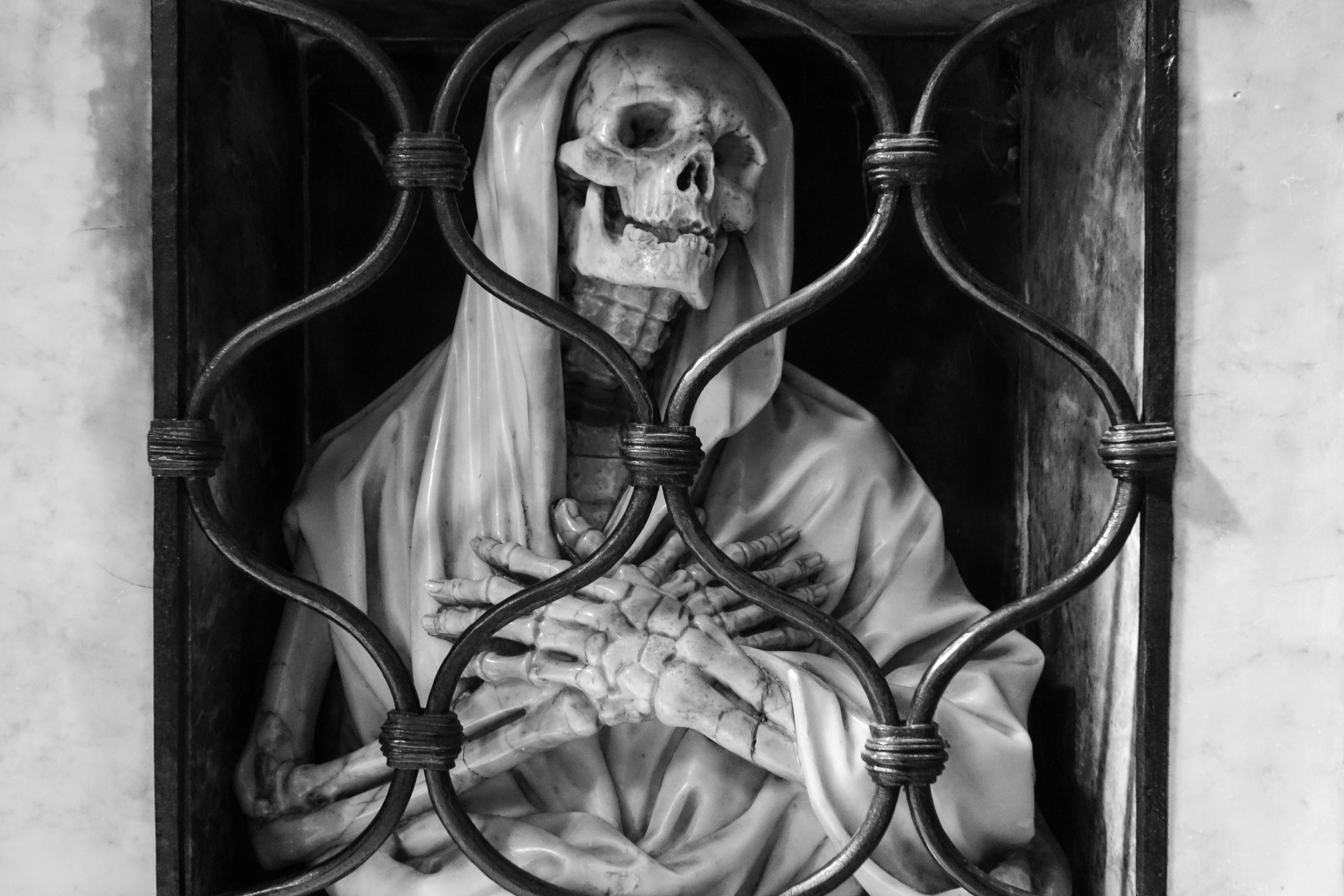
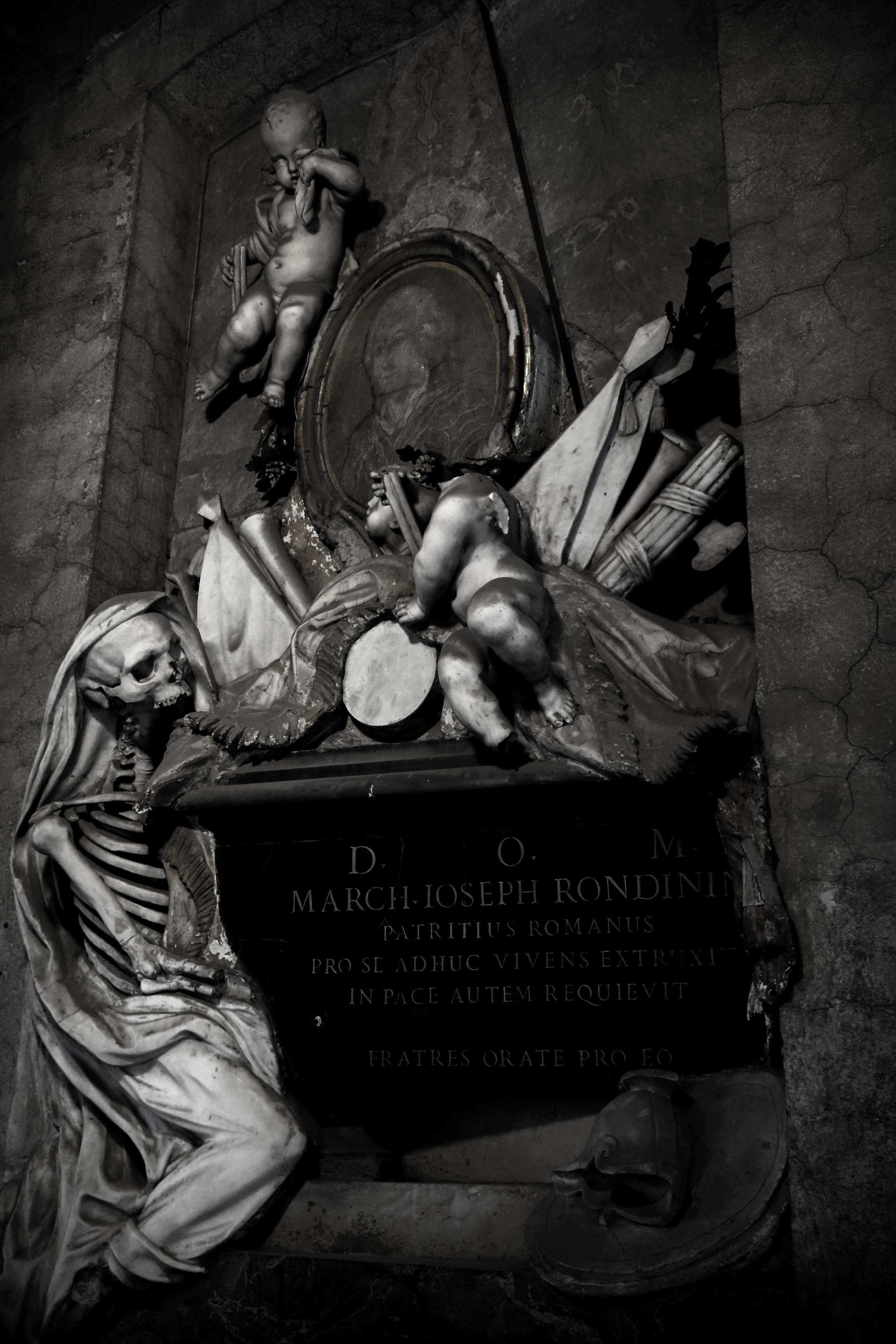
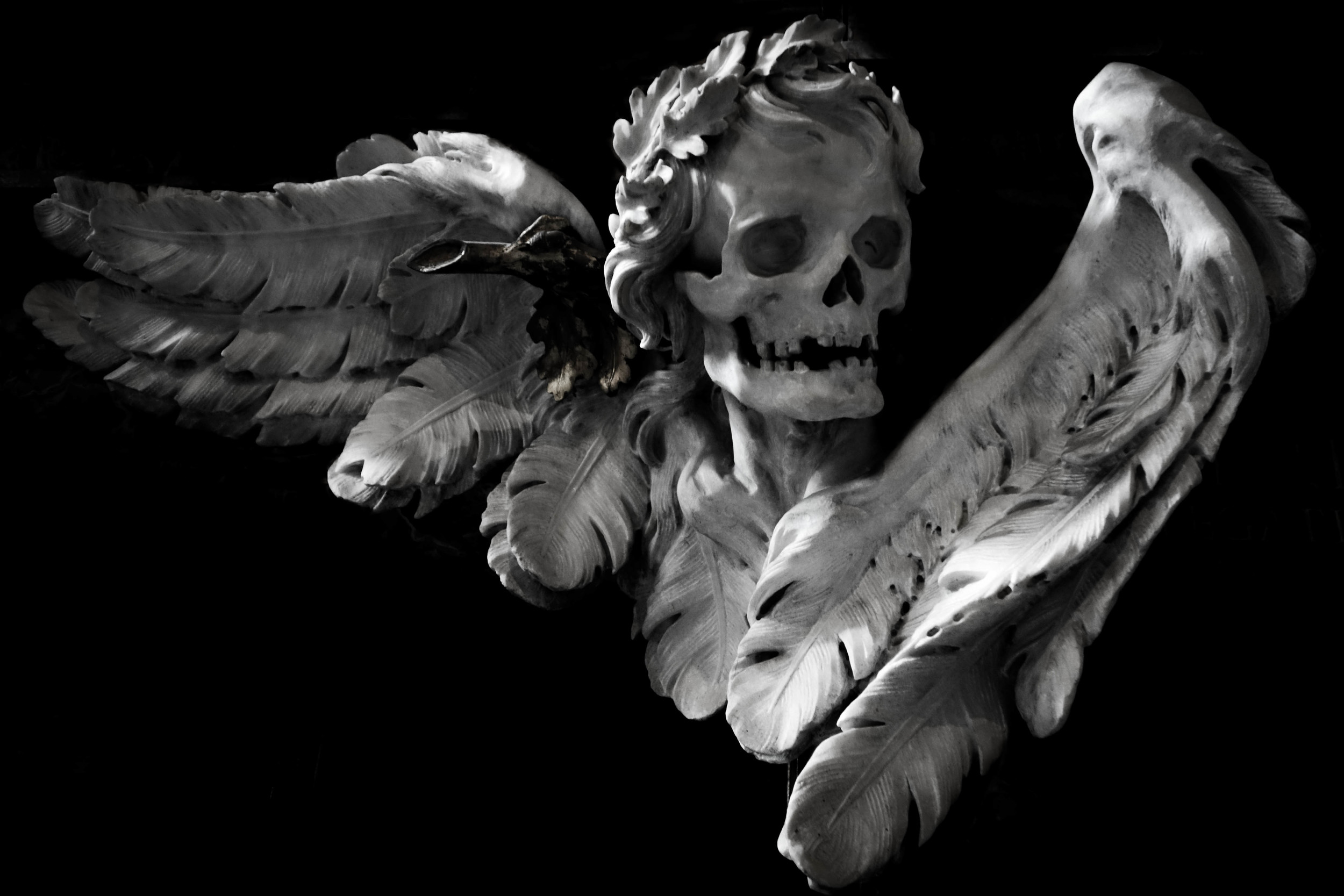
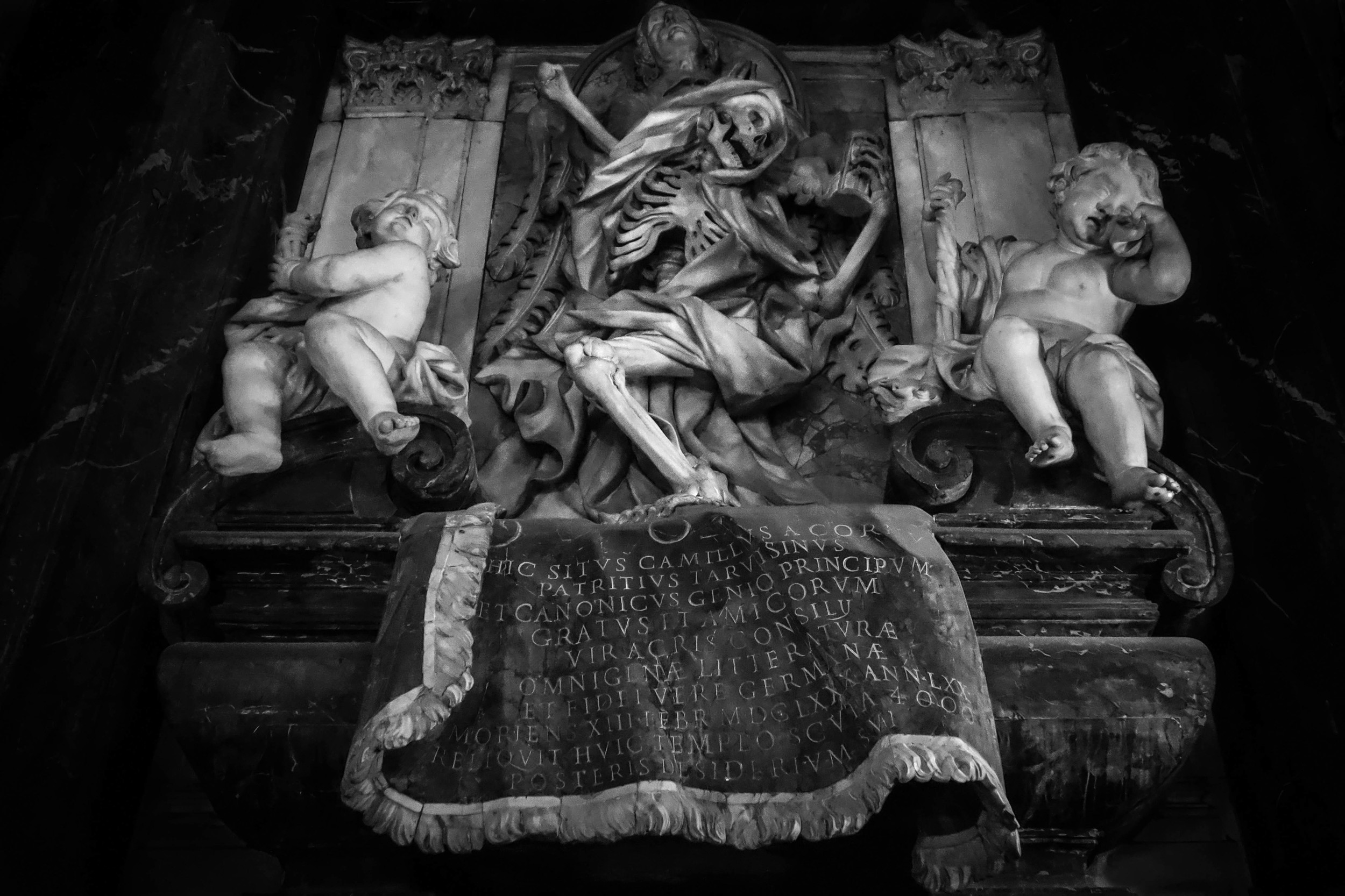
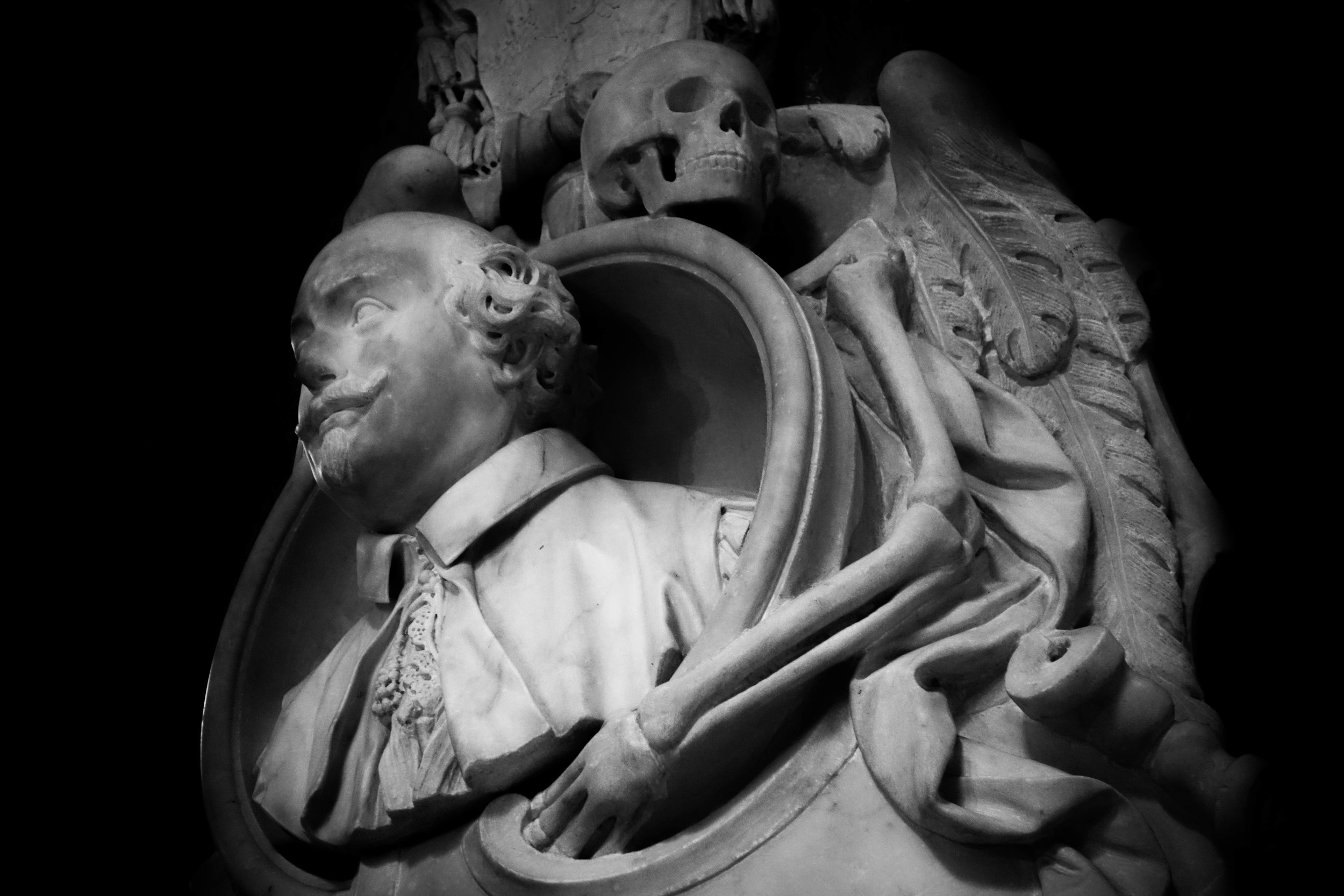
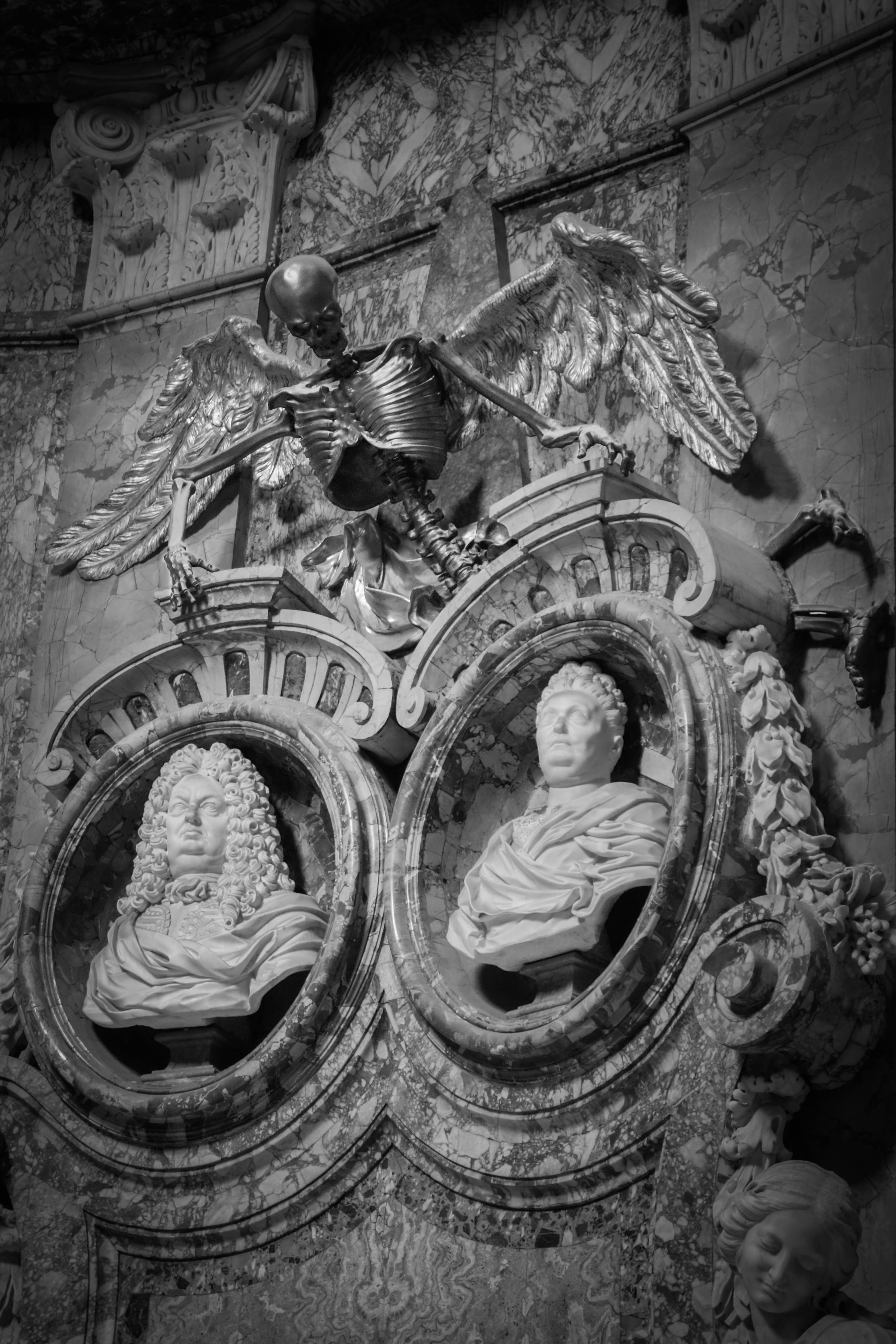
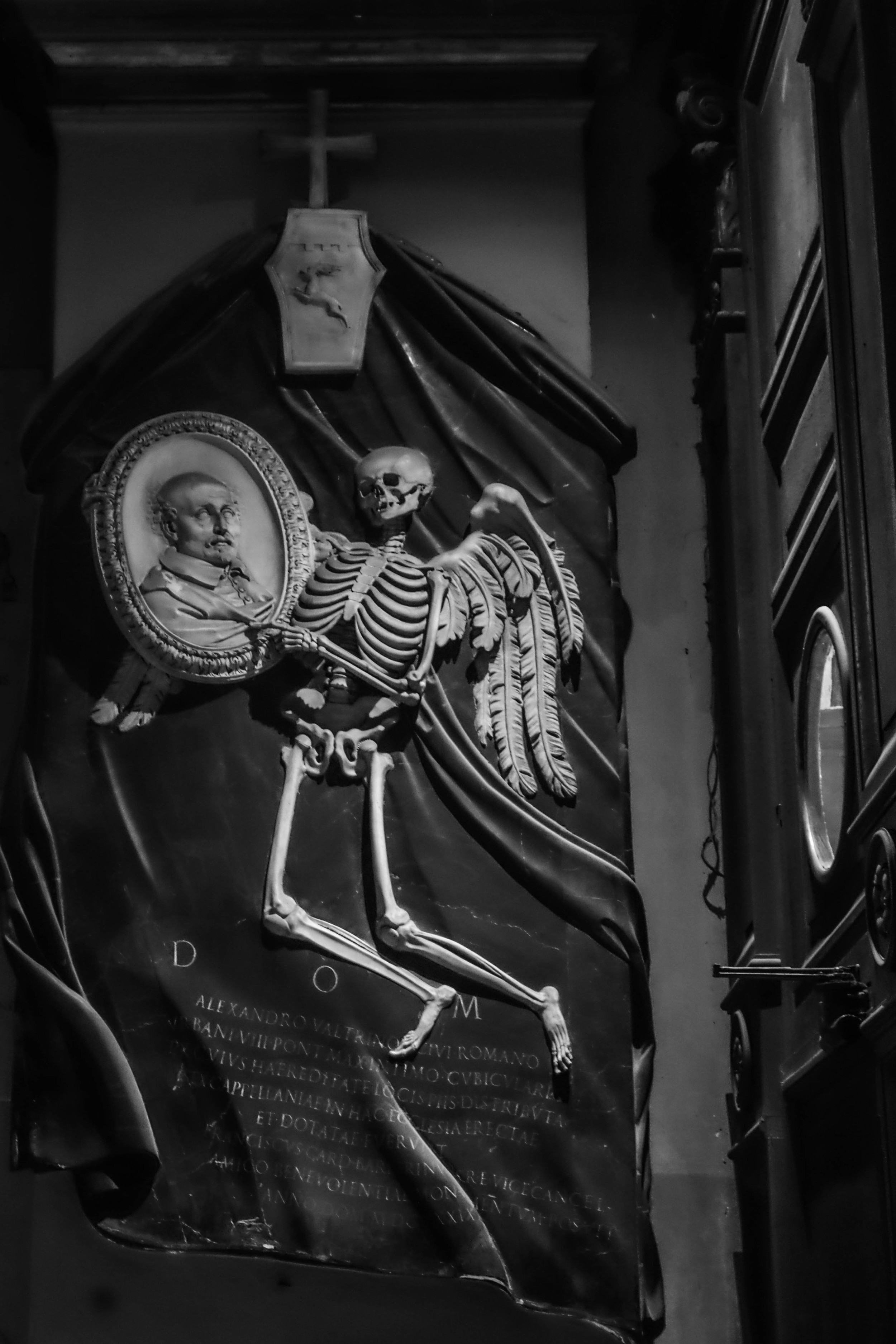
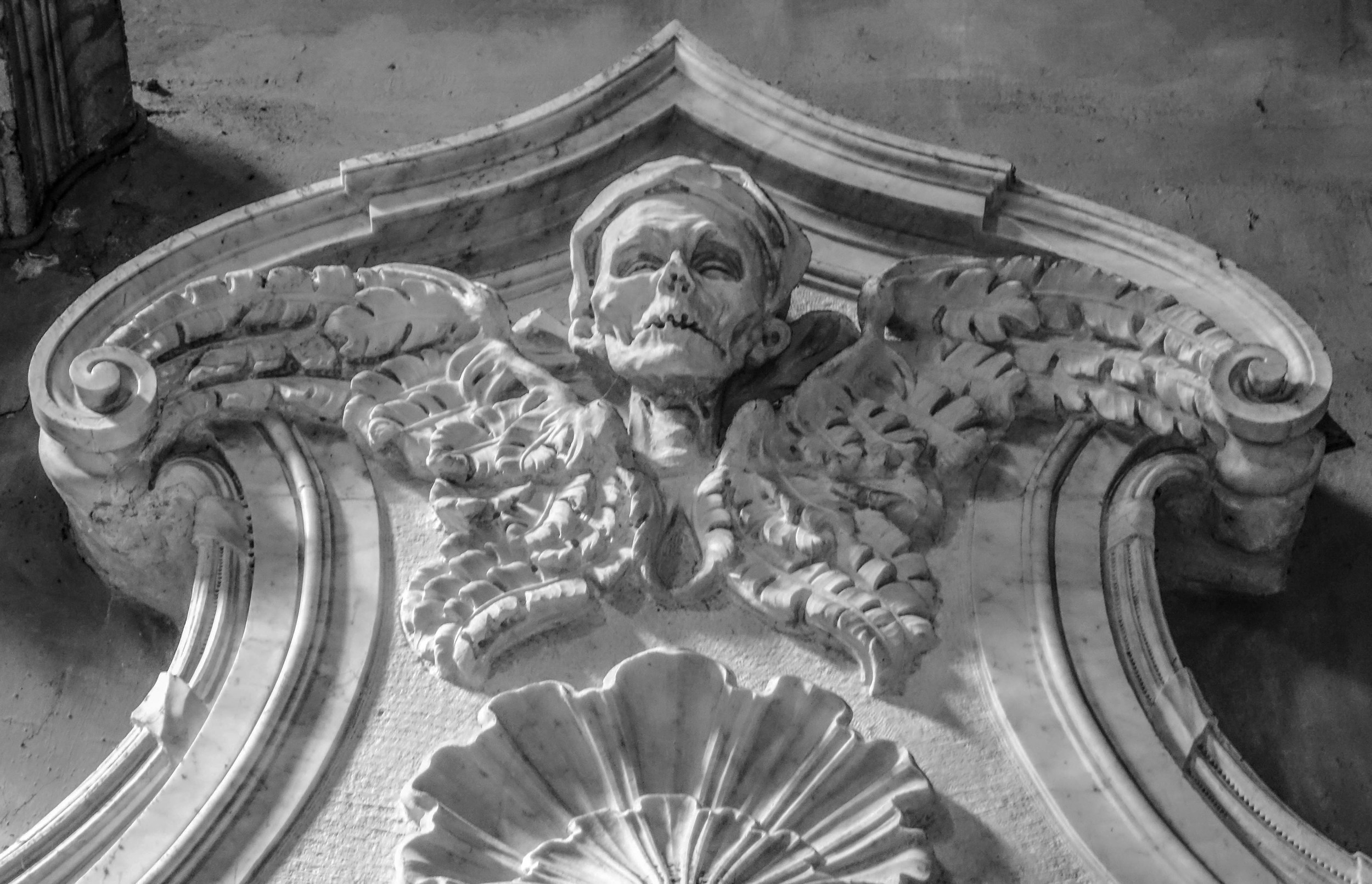
Unlike the relics of the saints, the entombed bodies of clergy and parishioners are largely hidden from the public, but the Baroque skulls and life-sized marble skeletons won’t let you forget they’re there. They speak to you. But as David Sedaris noted in When You Are Engulfed in Flames, the skeleton has a “limited vocabulary, and says only one thing: ‘You are going to die.”
Rome’s skeletons prefer to deliver the bad news in Latin, an appropriately dead language, but even so you can’t mistake the message or the fact they’re addressing you directly. An engraved skeleton on the façade ofSanta Maria dell’Orazione e Mort unfurls a banner that reads, “Hodie mihi. Cras tibi.” “Today me. Tomorrow you,” it shrugs.
Though their message is grim, the skeletons are surprisingly lively. At San Francesco d’Assisi a Ripa Grande, they climb out from behind the artwork. At Gesù e Maria, one appears frozen in the middle of a solo danse macabre, flailing so wildly it seems to be coming apart. Even in the more staid examples, it isn’t unusual for the skull’s empty sockets to convey more emotion than busts of the living. It’s this kinetic quality that’s so arresting; life seems to bursts supernaturally from these dark corners devoted to death.
The juxtaposition is intentional. Bernini popularized the use of these unusually active skeletons, and in doing so masterfully expressed a tenant of his Catholic faith. The feathered wings signal these aren’t your average corpses. They’re complex allegories for the inescapable passage of time, and the belief that death and decomposition of the body are the first stages in the transition to everlasting life (or damnation, as the case may be). Though the skeleton may only say, “You are going to die," for some that implies, “You haven’t lived yet.”

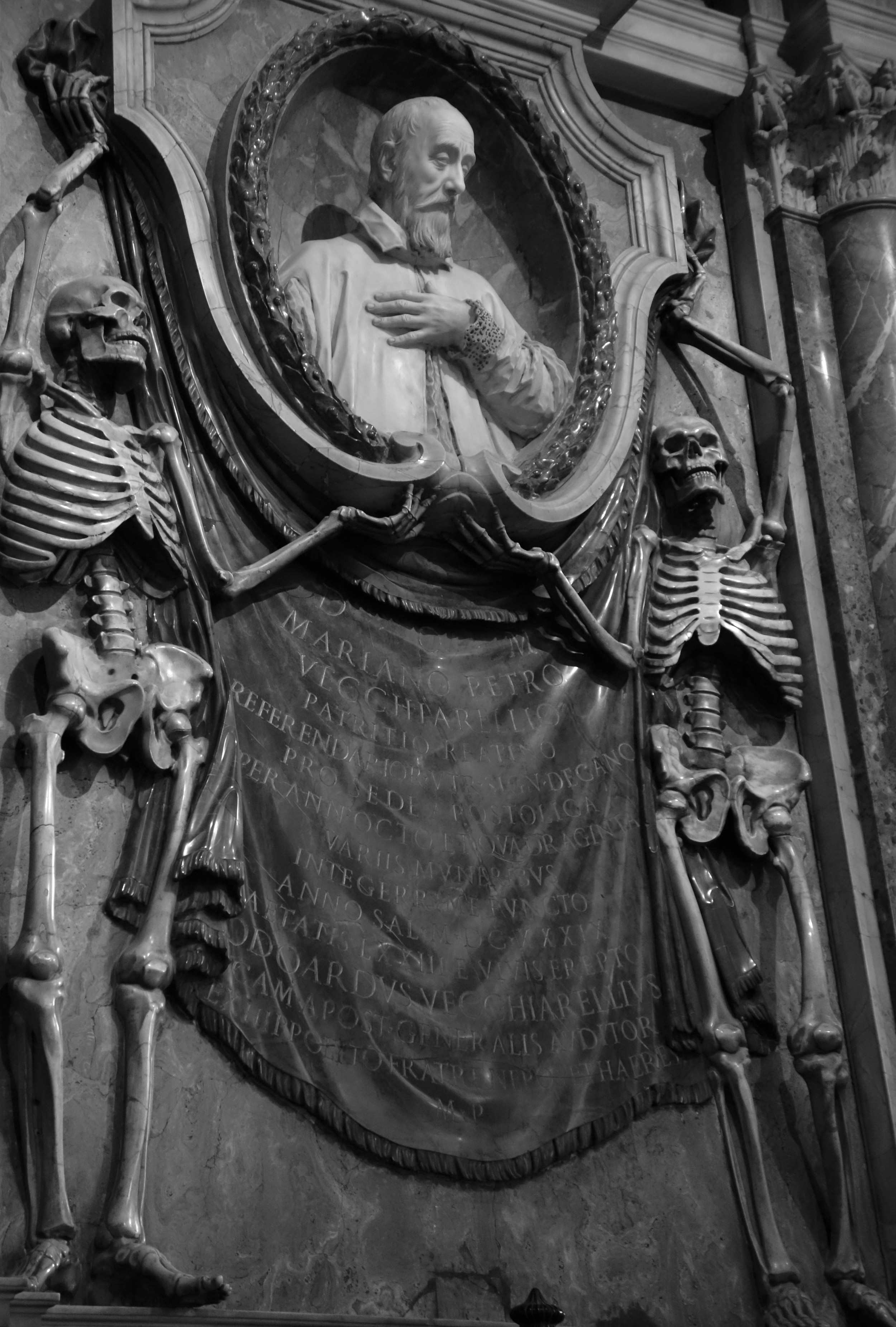
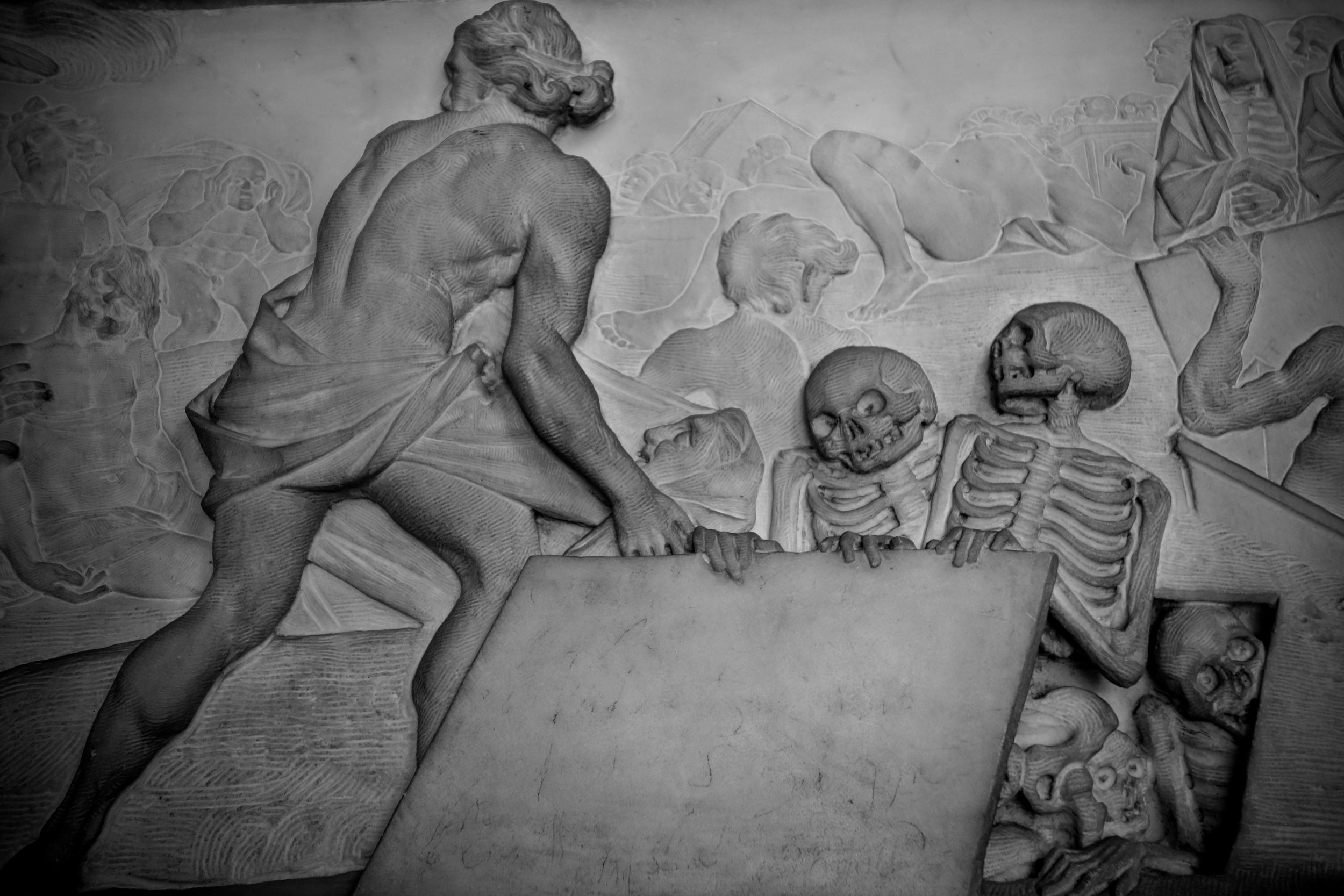
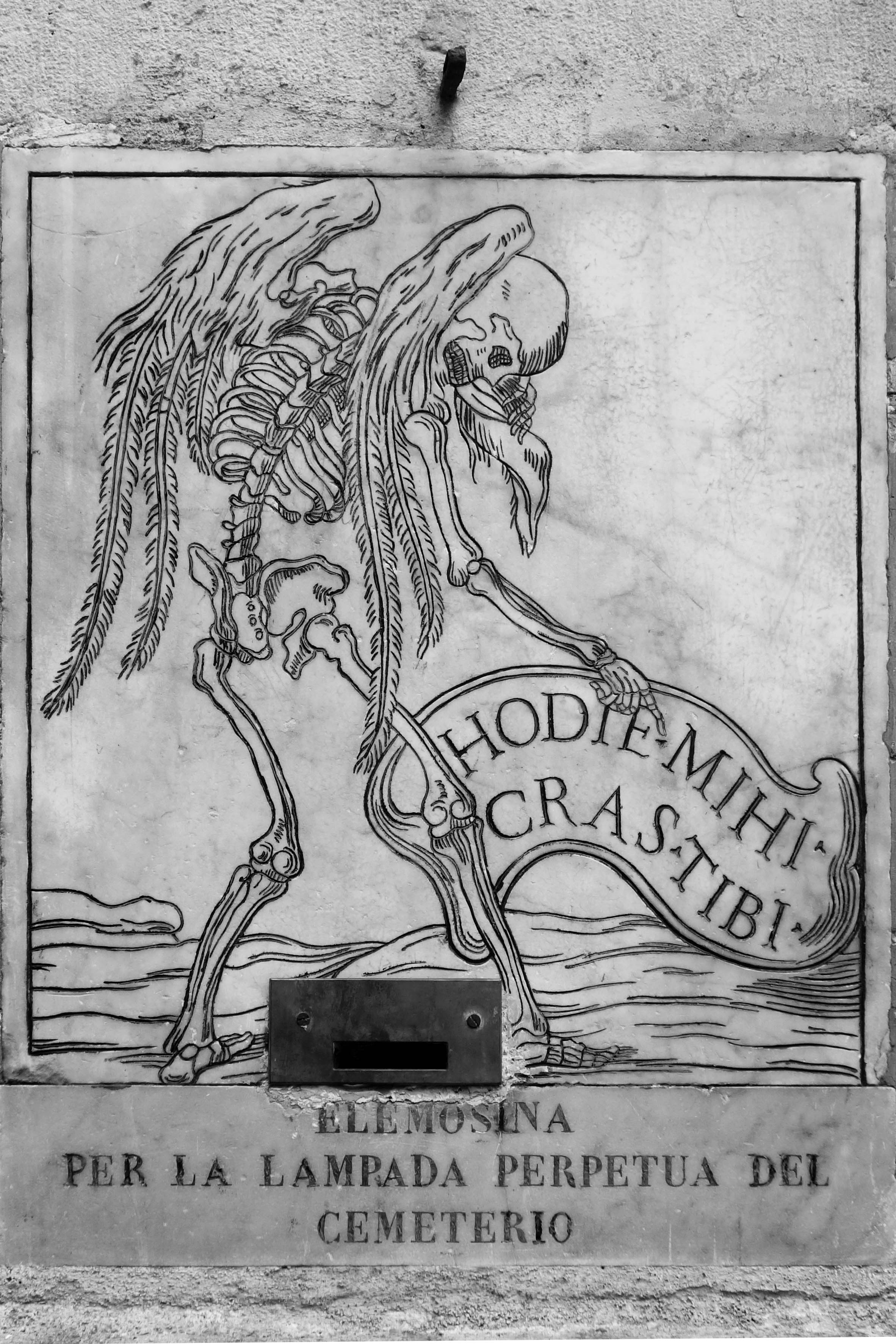
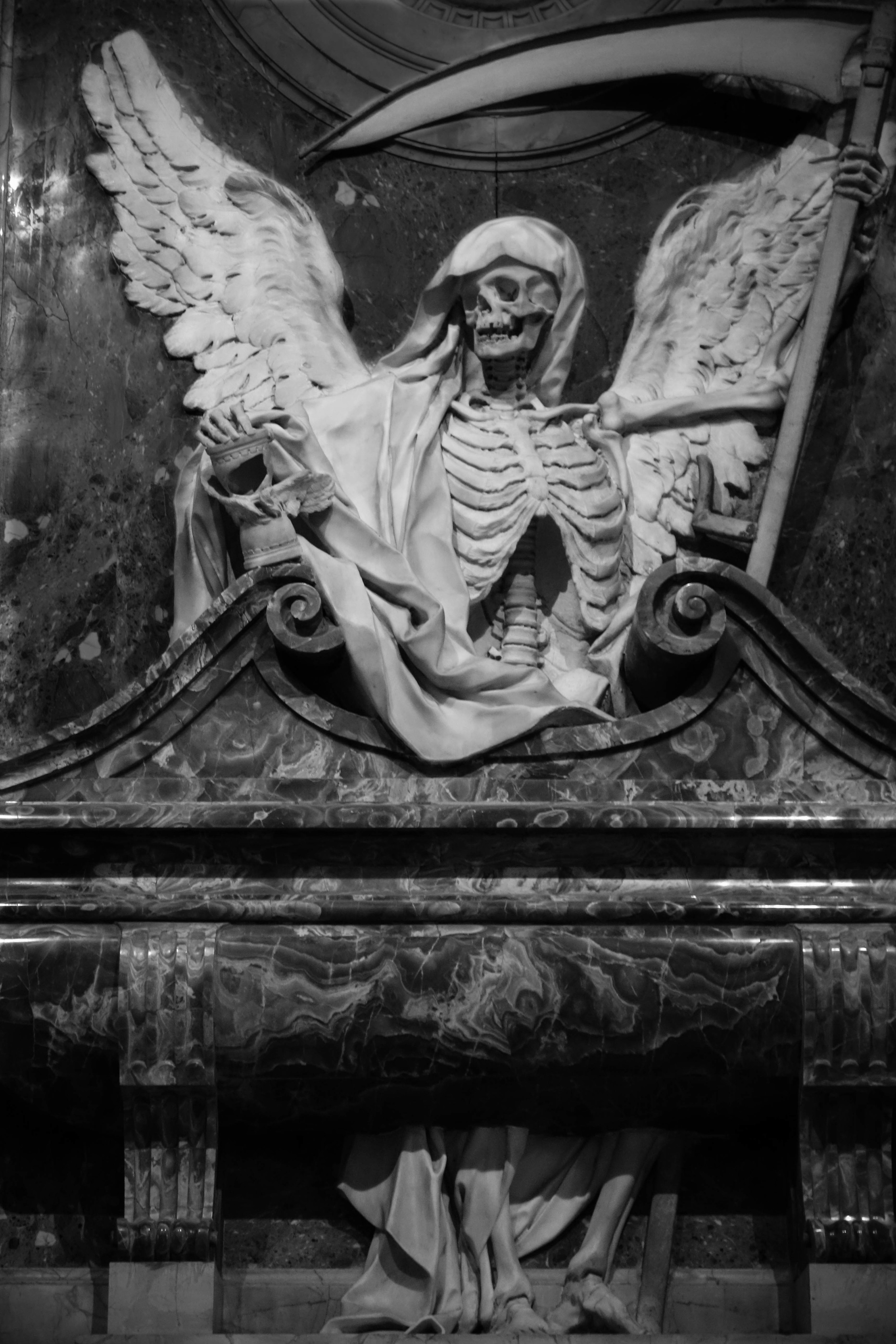
Crocodile Prayers: Killing the Buddha
Originally published on Killing the Buddha.
I visited the church of San Ginés on safari like a fool. No one safaris in Madrid, and it’s frowned upon to safari inside a Catholic church. I went there to hunt a crocodile. Specifically, a taxidermied one rumored to be on display.
I milled around the church single-mindedly. The coffin of a saintly ten-year-old was not a crocodile. A life-sized weeping Madonna was not a crocodile. Pilgrims circled around a miracle-working statue of St. Jude. No matter; not a crocodile. When I exhausted every alcove, I decided to interact with the caretaker, armed with some Spanish I picked up from Sesame Street.
“Dónde está el… el…”
I held my hands flat in front of me—palms together but slightly cupped, and made two silent claps with my wrists touching.
The caretaker pointed to the chapel of Our Lady, a void of a room interrupted only by the light reflecting off an icon of the Virgin. A sign prohibited tourists in several languages. I considered thanking him and bailing, but that would confirm I was a godless crocodile hunter and curiosity would gnaw at me later. I couldn’t take his word, or rather his gesture, for it. I had to know.
If you’ve ever been a Good Catholic Girl, there are certain things you cannot bring yourself to do; violating the chapel of Our Lady in the name of hunting crocodiles was one of them. I compromised. Or that’s how I justified the worst Hail Mary I’ve ever said. I said it as my eyes scanned the room looking for a crocodile that wasn’t there. I pictured God receiving that prayer like a fax from an unknown number. He would tell an angel to file it under “crocodile,” and they would laugh because that was His euphemism for the trashcan.
On my way out, I saw a sign for a guided tour of the church’s art collection the next morning. Surely this would include their famous piece of taxidermy and this time I would avoid the international hand sign for crocodile. Back at my hotel I learned the stunningly obvious word cocodrilo.
Thanks to this new vocabulary, I understood the docent clearly when he said there was no cocodrilo (as we say in Madrid). The “chapel lizard” of San Ginés was an urban legend. The caretaker was having a little fun with another clueless tourist. There might have been a crocodile at one point, but people seem to think a former priest threw it away. It was rumored he was tired of people stopping in for Godzilla, but not so much for God.
In my defense, I hadn’t pulled the idea of a church crocodile from an urban legend. In Medina de Rioseco, Spain, the flayed hide of a crocodile is draped over a cornice. Taxidermy crocodiles climb the walls in St. Bertand-de-Comminges, France and Viso del Marqués, Spain. A fifteen-footer sits in a church just outside of Verona. Crocodiles are chained to the ceilings in Seville and Grazie.
Some, like the one in Seville, were exotic souvenirs, displayed in churches to allow the congregation a glimpse at one of God’s more impressive creations. Others are more symbolic. They’re like saints holding props meant to jog your memory about their lives (or more frequently, their gruesome deaths). They’re simple but memorable visual aides designed to edify illiterate masses, whether those masses are medieval peasants or modern women from Los Angeles trying to communicate via hand-puppet.
In these Catholic pictograms, crocodiles are dragons and dragons are evil incarnate. The poet Edward Young even pointed out that their breath looked like smoke when it hit cool water, making them ideal stand-ins for the biblical fire-breather Leviathan, a reptile whose “teeth are terrible round about.”
Anyone can kill an animal, but it takes more than bravery and weaponry to vanquish evil. For that, you need God. So we hear stories about dragon-slaying saints like George, Margaret of Antioch, and Theodore of Amasea who tops a column with a crocodilesque dragon in St. Mark’s Square. The flayed, stuffed, chained, and otherwise subjugated crocs sprinkled around Europe are the church’s metaphorical evil-hunting trophies.
The stories of these supernatural crocodile-slaying saints are meant to illustrate God’s power—but try explaining that to a crocodile. Especially the ones who had their lives cut short by Catholic missionaries abroad living out their Saint George fantasies. They undoubtedly would’ve preferred to die of old age in their swamps but now their carcasses are strung up in church. They never asked to be anyone’s symbol of anything, and yet, here they are. Or, in the case of San Ginés, here they aren’t.
***
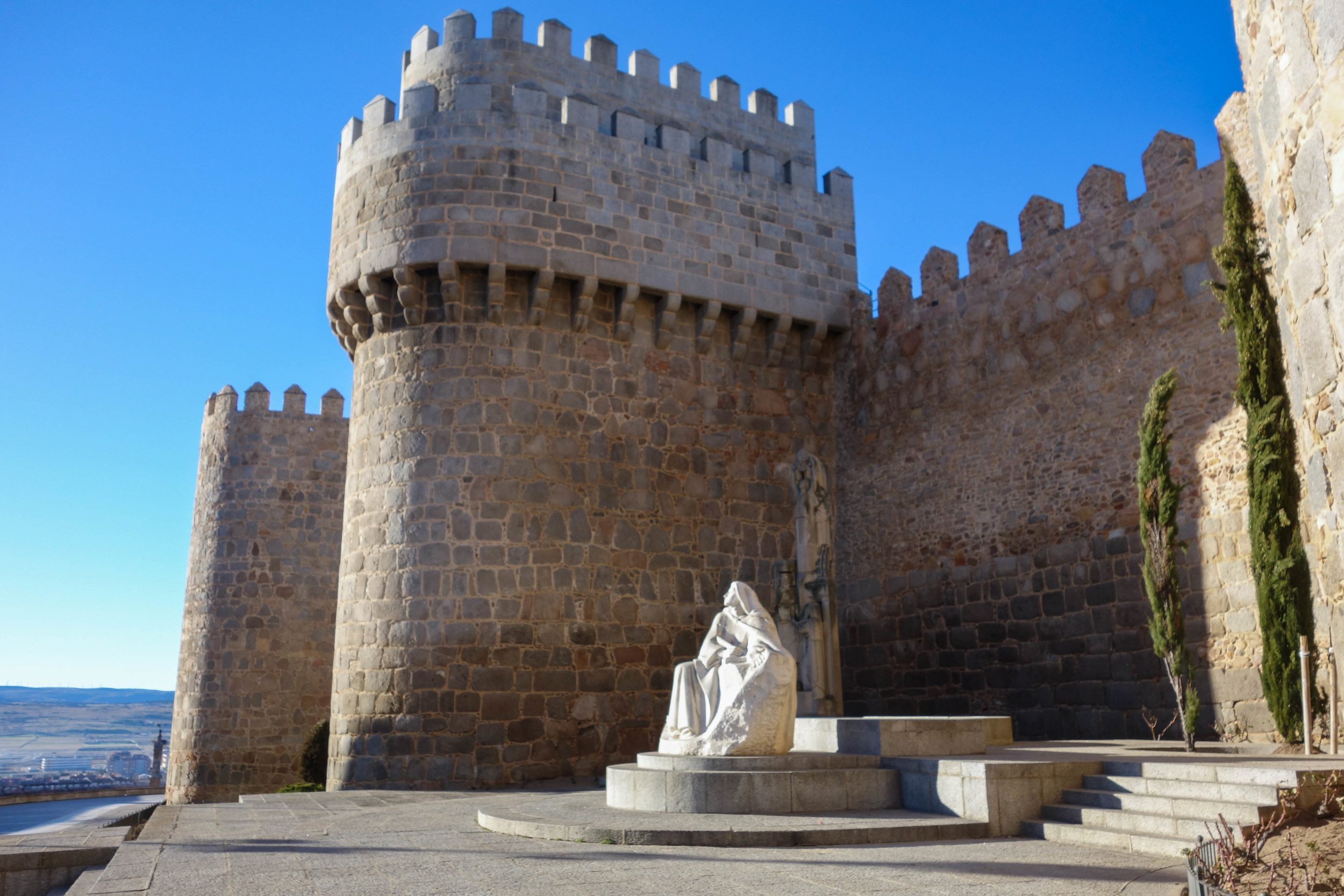
The day after my failed safari in Madrid, I took a train to Ávila to see, among other things, a church rumored to have its own crocodile. But on a Sunday in early January the little medieval city was hung over from New Year’s and seemed surprised to have a visitor. The bus that drove tourists outside the city walls was canceled. So I walked.
I walked through the city, outside the medieval walls, past the place where the modern apartment buildings stopped, past where the pavement turned to dirt. I walked past where the grazing sheep were allowed to roam until I got to the church.
I imagined the crocodile, if it existed, would be in the church’s famous collection of ex voto, a tradition that sounds fairly pedestrian on paper. If you pray for something and God helps you, you get Him a nice thank-you gift. Most ex voto are humble metal charms that depict the thing you prayed for. Body parts like eyes, legs, and breasts are common, but in Mexico City I even saw a desktop computer.
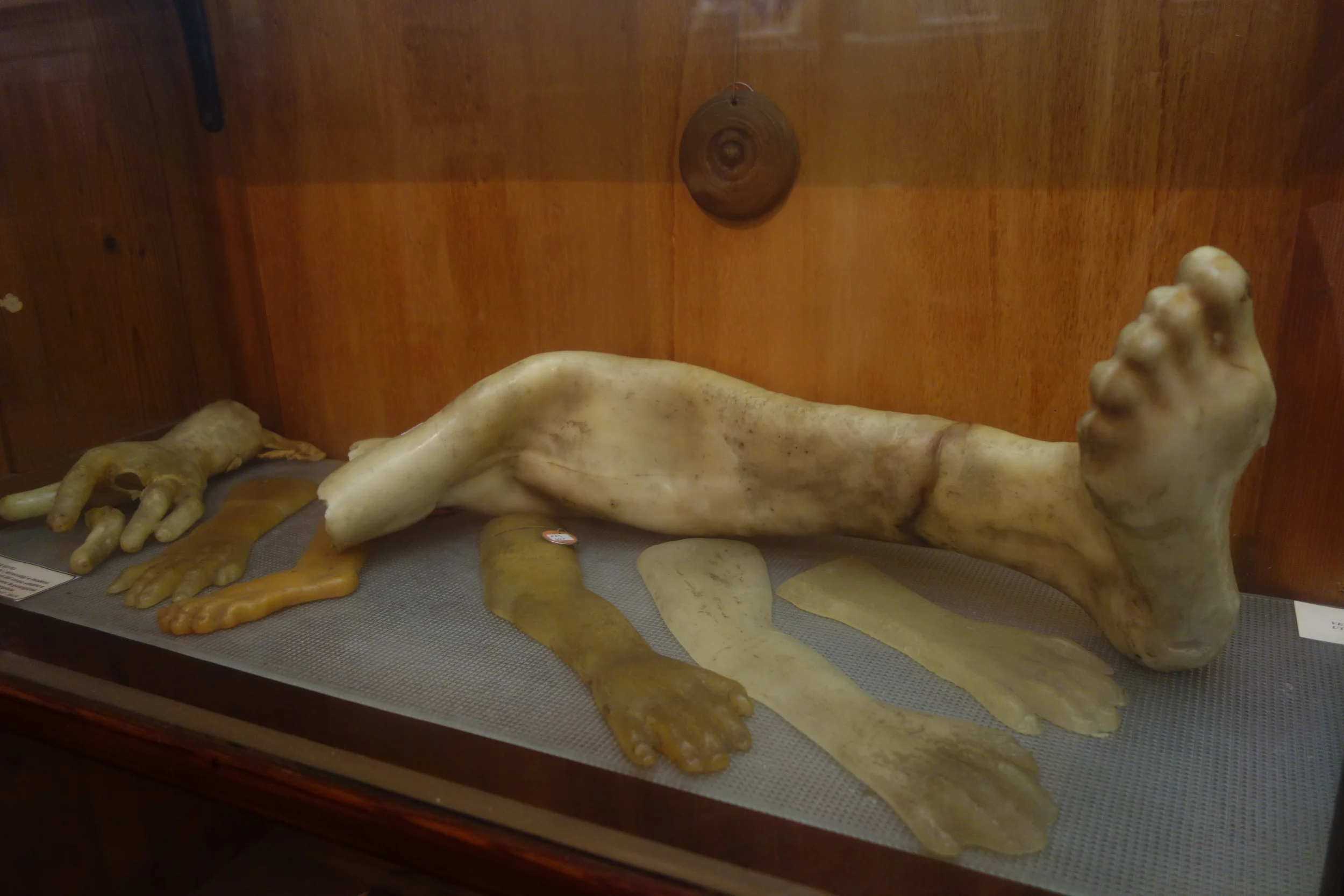
If God helps you in extraordinary ways and you have the means, you can let your imagination run wild when deciding on an ex voto. In Rome I saw a life-sized leg made of flesh-colored wax. There are mosaics made of seashells in Barcelona and miniature jeweled crowns made for statues of Mary in Prague.
In the handful of churches that still keep extensive ex voto collections, it’s easy to see how the 16th century curiosity cabinet grew out of the church. While the holy bone relics of the saints might have become pieces of Egyptian mummies or medical specimens, other pieces just seemed to linger on in their new secular context. In the very first image of one of these wunderkammers, you’ll find a stuffed crocodile.
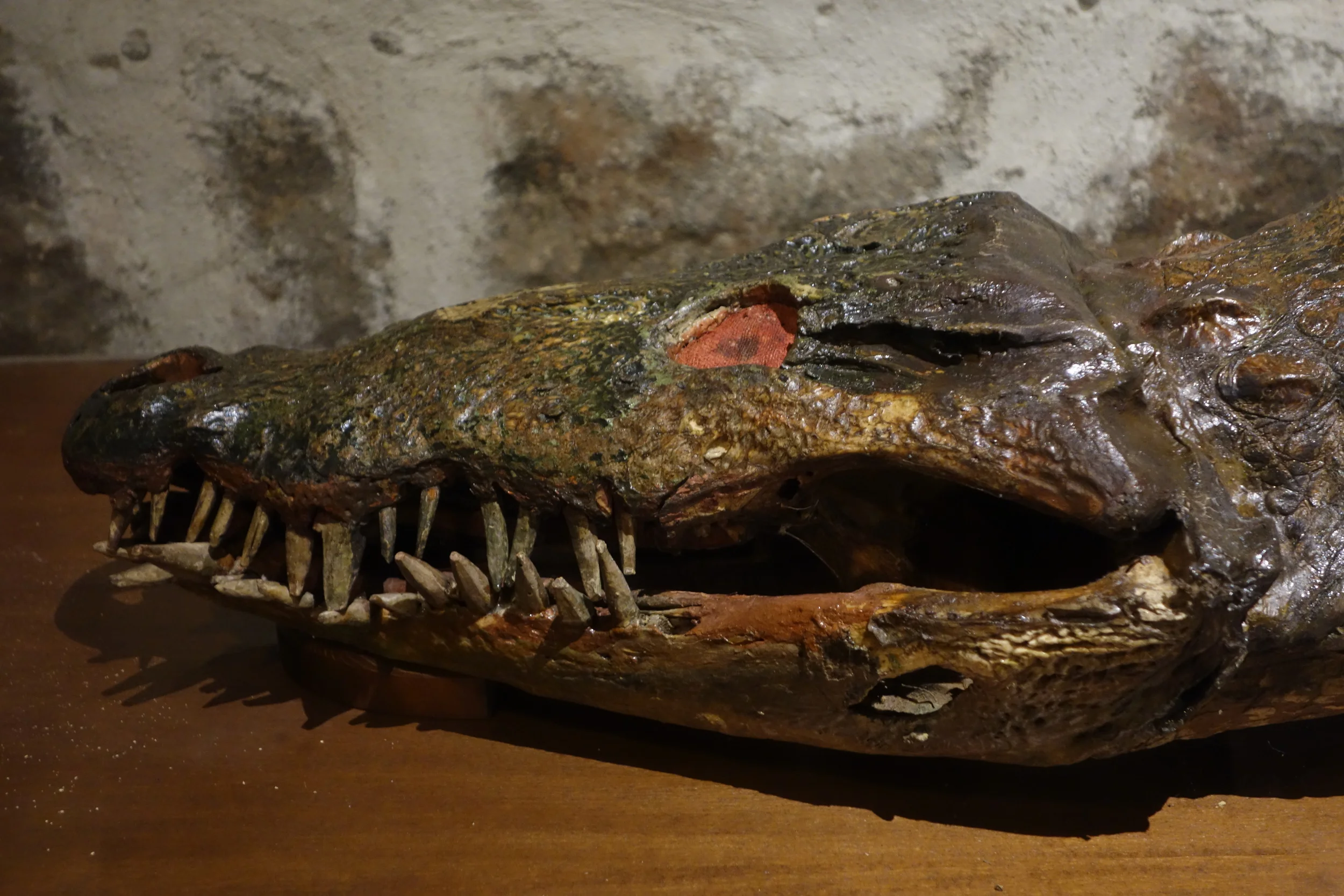
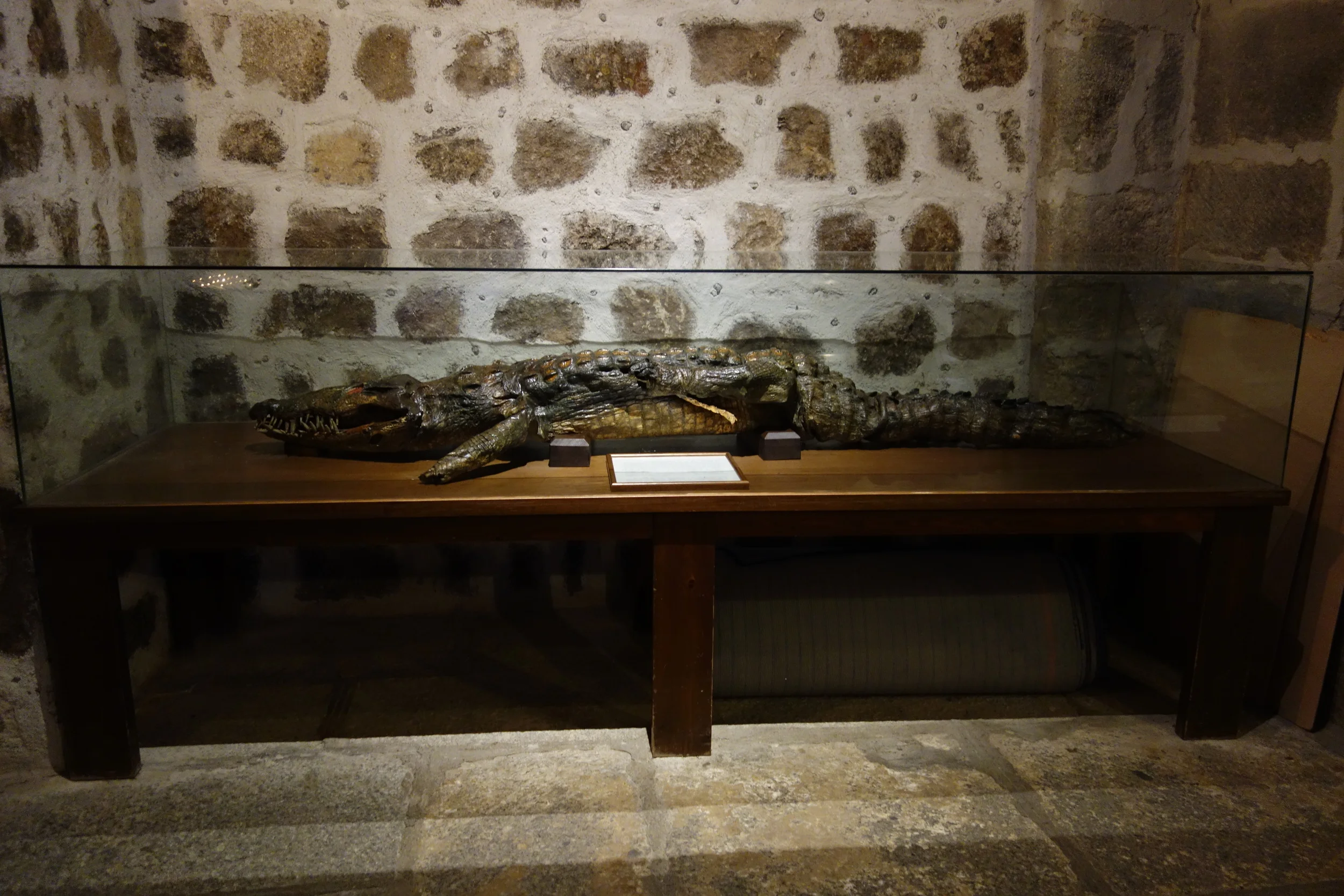
In Ávila’s ex voto room there were baby clothes, sports trophies, and an entire rack of wedding dresses. It looked like a Goodwill. Concealing my disappointment, I gave up on my safari and went in the church. But there, in the back, I found one more ex voto too large for that strange little room—a real stuffed crocodile.
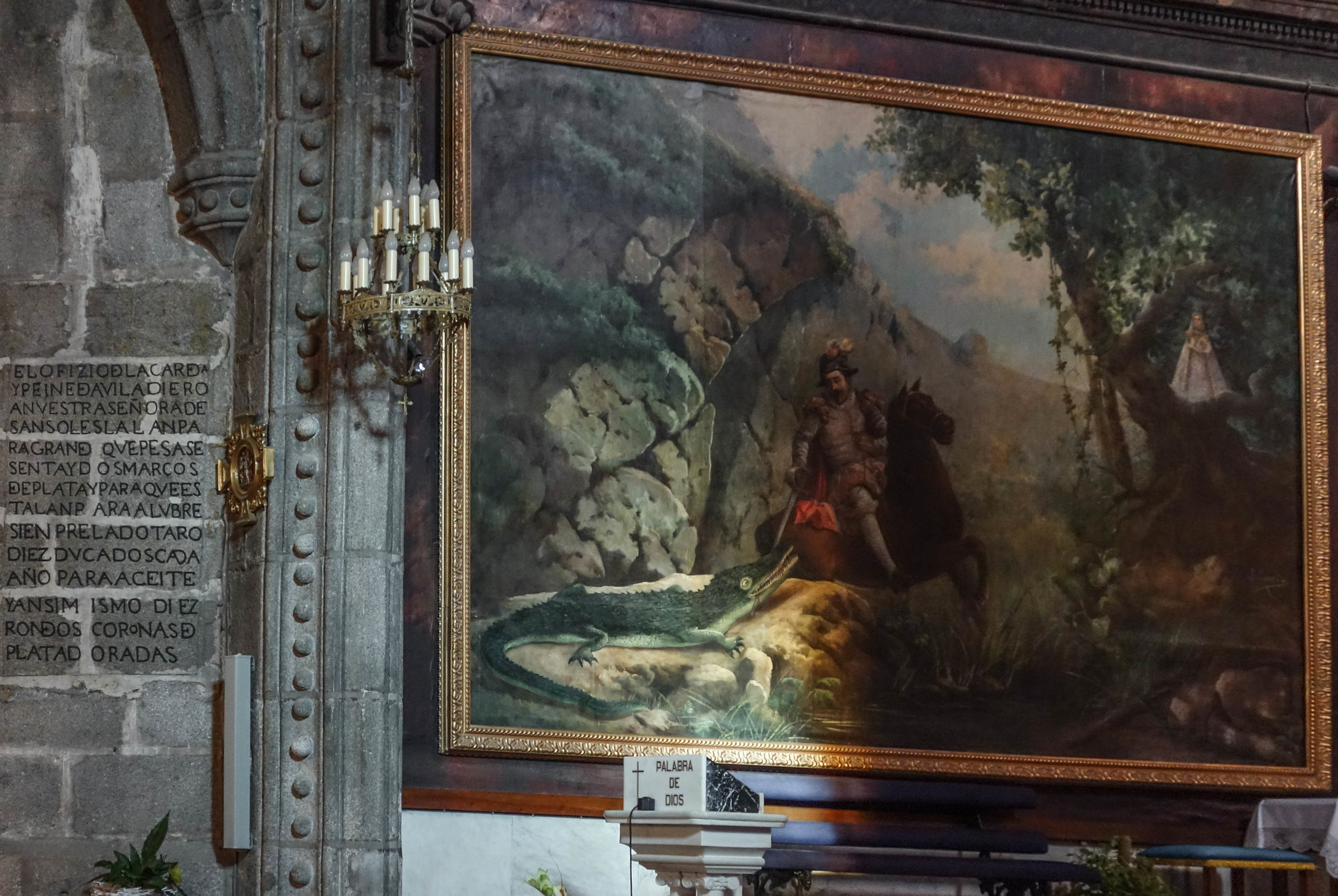
A plaque and a painting on the left side of the altar filled in the details. While traveling in newly discovered America, a Spanish man was nearly killed by the crocodile but thanks to an intervention by the Virgin Mary, he was able to slay the beast. In thanksgiving he stuffed it and turned it into an ex voto. Though taxidermy was still in its infancy (which may explain why the crocodile’s back legs appear to be on sideways) a crocodile was a relatively easy animal to preserve, because its hide is so tough. The oldest extant piece of taxidermy is a crocodile, claimed by a church in Lombardy.
Satisfied, I set out to make my way back into the city before sunset. Outside, the cathedral of Ávila was a tiny spike on the horizon. It was a successful safari after all. I discovered the crocodile. To be fair, he was exactly where he had been for hundreds of years, but a safari is always about discovering what’s already there.
I started out towards the city, feet tired, church shoes caked in mud. I had a nagging thought about the church in Madrid. What if my prayer didn’t go unheard after all? Maybe God looked at yet another crocodile prayer coming in from San Ginés and said to His angel, “You know what, let’s give this one a crocodile. But go ahead and cancel Ávila’s bus service.”
I contemplated sending a crocodile to Our Lady at San Ginés in gratitude.


The Neapolitan Cult of the Dead: Virginia Commonwealth University
This profile was published as an entry in Virginia Commonwealth University's World Religions and Spirituality Project.
CULT OF THE DEAD TIMELINE
1274: Purgatory was formally accepted as Catholic doctrine and defined by the Church as “the place of purification through which souls pass on their way to paradise” at the second Council of Lyons.
1438-1443: The Council of Florence added that “the suffrages of the faithful still living were efficacious in bringing [souls in purgatory] relief from such punishment…”
1563: An additional decree concerning purgatory was passed at the Council of Trent, delineating Church-sanctioned ideas about purgatory from “those things that tend to a certain kind of curiosity or superstition, or that savor of filthy lucre”.
1476: Pope Sixtus IV confirmed that indulgences might be earned by the living for souls in purgatory, thus shortening individual souls' time there.
1616: A group of Neapolitan noblemen founded the Congrega di Purgatorio ad Arco, a group dedicated to burying the poor and praying for their souls in purgatory.
1620s: St. Robert Bellarmine taught that souls in purgatory could help the living because they are closer to God than people on Earth; however souls in purgatory cannot hear specific prayer requests.
1638: The church of Santa Maria delle Anime del Purgatorio ad Arco was completed and consecrated. Below the church was a hypogeum which is used by the Congrega di Purgatorio ad Arco for burying the city's poor.
1656-1658: The Black Death, or Bubonic plague (Yersinia pestis), devastated Naples, killing roughly half of the city's inhabitants. Of the estimated 150,000 dead, many were hastily buried in pits or existing tufa caves without markers.
1780s: Neapolitan priest, St. Alphonsus Maria de' Liguori of Naples, built on St. Robert Bellarmine's teaching on purgatory. Liguori taught that God makes the prayers of the living known to souls in purgatory, which made it possible for the dead to help the living with specific matters on Earth.
1837: Victims of a cholera epidemic in Naples were buried in the mass graves around the city, including the Fontanelle cemetery.
1872: Father Gaetano Barbati sorted and catalogued the bones in the Fontanelle Cemetery with volunteers from the city, who prayed for the dead while they completed the work.
1940-1944: A number of the tufa caves used as burial grounds served as bomb shelters during World War II, giving new reason for the living to pray to the souls in purgatory, who were represented by the bones buried there.
1969: Archbishop of Naples, Corrado Ursi decreed that “expressions of cult addressed to human remains” were“ arbitrary, superstitious, and therefore inadmissible.”
1969: The Fontanelle cemetery was closed, and the Cult of the Dead was suppressed.
1980: The Irpinia earthquake struck Naples, closing the church of Santa Maria delle Anime del Purgatorio ad Arco, effectively suppressing remaining activities of the Cult of the Dead.
1980s (Late): I Care Fontanelle was formed to give tours and counteract “degradation” to the Fontanelle cemetery, both the structure of the cave itself and the lingering activities of the Cult of the Dead.
1992: The church of Santa Maria delle Anime del Purgatorio ad Arco was reopened after restoration work was completed.
2000-2004: More restoration work at Fontanelle Cemetery took place.
2006: The Fontenelle Cemetery was reopened on a limited basis.
2010: The Fontenelle Cemetery was reopened full time.
FOUNDER/GROUP HISTORY
To its adherents, the Neapolitan Cult of the Dead exists as a part of the Catholic faith. In fact, adherents often do not identify their religious beliefs as anything other than Catholic or use the designation “Cult of the Dead.” However to the Catholic Church, the cult is heretical and exists outside of the faith. The core beliefs of the cult can best be understood as a mixture of Catholic doctrine concerning purgatory and pre-existing folk-religion within the former Kingdom of Naples (now Southern Italy). In this regional folk-religion, the living attempt to build personal relationships with the souls of the dead. They view these relationships as a practical way to obtain miracles and improve everyday life.
To understand how the Cult of the Dead departs from Catholic interactions with the souls of the dead, one must first understand the concept and origin of purgatory.
As Jaques Le Goff outlined in his seminal book, The Birth of Purgatory, in the twelfth and thirteenth centuries, the concept of the afterlife became increasingly specific due to a number of cultural shifts. One particularly important shift was the evolution of the concept of justice; punishments for crimes began to be tailored to individual circumstances. This concept eventually extended into the afterlife and a person's fate after death reflected the magnitude of his or her sins. This was accomplished through the conception of a third place, other than heaven and hell. It was a temporary place for punishment and atonement thought to be adjacent to hell. All souls marred by sin were believed to go there for a time that corresponded to the number and severity of an individual's sins before being admitted into heaven. The place was called “purgatory” and the concept was formally accepted as doctrine in 1274 at the second Council of Lyons.
By the fifteenth century, Catholic doctrine allowed the living to earn indulgences for the suffering souls in purgatory as they had previously earned indulgences for themselves. (An indulgence is a remission or reduction of temporal punishment for sin, earned through spiritual exercises and acts of charity.) This effectively extended the power of the pope (who granted these indulgences) from the earthly realm into the afterlife for the first time. For this reason, the concept of indulgences for the dead was quickly embraced by elite clergy members eager to expand papal power. However the laity embraced this new form of charity for the dead for entirely different reasons.
Throughout the Kingdom of Naples, popular Catholicism already operated in an unorthodox way, through a tit-for-tat system of prayers said in exchange for divine favors granted. This folk Catholicism appeared orthodox to the clergy but was heterodox in practice. It was an individualistic, results-based style of worship that coexisted with belief in folk-magic and witchcraft, especially among the lower classes. Specific icons of the Madonna, as well as the relics of saints appeared to be venerated by the laity in the orthodox way (by praying with the icon or relic, not to it) but these prayers were, in practice, said to the icon or saint. In turn these images and objects were expected to use their supernatural powers to aid the venerator. When prayers were answered, the person who made the request would bring a token of gratitude, called an ex voto, to the shrine where the request was made [Image at right]. In orthodox Catholicism, ex votos are offered freely in thanksgiving; however, in Neapolitan folk Catholicism, these gifts establish a unique, reciprocal relationship between the individual and the tangible sacred object (the icon or relic). From this moment of reciprocity on, the relationship was expected to be mutually beneficial and could be reversed at any time should the sacred object fail to perform or the venerator fail to express appropriate gratitude.
When the Catholic Church eventually permitted prayers to be said on behalf of souls in purgatory, these reciprocal relationships, formerly limited to saints and the Virgin Mary, expanded to include the dead even though the Church remained adamant that souls in purgatory had no supernatural powers. This dissenting belief, that the souls of ordinary dead people had the power to help the living, formed the basis of the Cult of the Dead in the Kingdom of Naples. Prominent Catholic theologians and clergy such as St. Robert Bellarmine and St. Alphonsus Maria de' Liguori attempted to expand the orthodox relationship with souls in purgatory to include addressing prayers directly to them. The hope was to include the heretical Neapolitans instead of ostracizing the faithful in a region that had historically been a stronghold for the papacy. However these measures failed to fully bring the Neapolitan concept of purgatory into orthodoxy since the logic of purgatory with its approved system of indulgences neatly meshed with the existing logic of folk Catholicism.
The impact of the Cult of the Dead on Catholicism in Italy has waxed and waned but its presence has often been most noticeable during times of strife: specifically among women affected by disease, natural disaster, or war who lack access to power and resources within the Catholic Church. Though the Cult of the Dead is present throughout the former Kingdom of Naples which encompasses much of Southern Italy today, it took a strong hold in the city of Naples due to its unique history of large-scale disasters. This is primarily where the presence of the cult can still be felt today.
DOCTRINES/BELIEFS
While praying for souls in purgatory exists within the Catholic Church, there are two main differences that separate the beliefs of the Cult of the Dead from those of the Church. The first is the reciprocal relationship between the dead and the living. Catholic doctrine does not allow the souls in purgatory the power to bestow favors on the living, nor does it believe they ought to be venerated as one would venerate saints or the Virgin Mary. For orthodox Catholics, the relationship between the living and souls in purgatory is strictly one-sided and charitable: prayers said by the living are intended to shorten the dead's time in purgatory without the expectation of reward. In contrast, members of the Cult of the Dead expect the souls in purgatory to hear their prayers and affect change quickly in their lives. This added benefit explains the unique preoccupation with purgatory in Naples, from the unusually high number of confraternities devoted to caring and praying for the dead, such as the Arciconfraternita dei Bianchi and the Congrega di Purgatorio ad Arco, to the Neapolitan practice of building shrines to souls in purgatory in niches on the street, [Image at right] often complete with terra cotta figurines of people standing in flames and photos of deceased family members.
The second difference is in the distinction that the Cult of the Dead makes between the known and unknown dead. In the Catholic Church, prayers said for souls in purgatory can be specific for a person or for the souls in purgatory in general. Either is considered a charitable way to shorten time in purgatory for the intended. However the Cult of the Dead divides souls into two categories: the known dead and the unknown dead. These two groups are venerated differently and are believed to have two very different fates.
The known souls are addressed in prayer by name. Prayers said to them are thought to shorten their time in purgatory, but when it comes to the reciprocal relationship, these souls are thought to be less powerful and less likely to grant miracles to their living benefactor.
The unknown souls are more important to the Cult of the Dead, and here the cult departs dramatically from Catholic doctrine. The cult believes that souls whose names remain unknown, typically people who died in plagues, wars, or natural disasters, are doomed to an eternity in purgatory. These souls are represented by the anonymous bones in Naples' numerous mass graves and burial caves which have been entombed without markers. Within the Cult of the Dead, these souls are collectively venerated and are thought to be extremely powerful when it comes to bestowing miracles on the living. For this reason, the dead are often commemorated collectively, through the stacking and cataloguing of their bones (as in the case of the Fontanelle Cemetery), building churches above the places they were buried (as in the cases of Santa Maria del Pianto and Santa Croce e Purgatorio al Mercato which replaced the original plague column memorial), or in the preservation of anonymous bodies within the church (as are on display at the Chiesa del Santissimo Crocifisso detta la Sciabica).
Within the cult, the relationship between living and anonymous dead must still remain reciprocal. But without the possibility of releasing a soul from purgatory, the living pray for refrisco for the unknown souls. Refrisco is thought to be a temporary relief from the fires of purgatory, like a cool drink on a hot day. This concept was illustrated in the image of the Madonna of Graces, a popular image of the Virgin Mary expelling breast milk into purgatory. Though some examples still exist, this image was successfully diminished by the Church during the Counter-Reformation due to its sensuality and association with popular but heretical views on purgatory.
RITUALS/PRACTICES
As in its beliefs, in its practices, the Cult of the Dead shares some overlap with Catholicism. These co-practices include having masses said for the dead and earning indulgences for the souls in purgatory through prayers and penance (although the concept of earning refrisco for unknown souls is strictly part of the folk view of purgatory that the Cult of the Dead embraces, rather than official Catholic doctrine).
The primary ritual associated with the Cult of the Dead that does not exist in within the Catholic Church is the adoption and veneration of anonymous human remains. This can take several forms. In the broadest sense, an entire town may adopt a mass grave site such as a prisoner's cemetery, plague pit or potter's field and erect a monument where people can come to pray to the souls and leave ex votos. In other instances, specific anonymous remains are adopted by a community and elevated to folk-saint status, as in the case of a mummy nicknamed “Uncle Vincent” in the town of Bonito.
However, this practice of adoption and veneration is most closely associated with the city of Naples and its burial caves and hypogea. This is where members of the Cult of the Dead come to adopt skulls called “pezzentelle,” which means “poor little ones” in Neapolitan dialect. Though considered heretical by the Church, this practice of petitioning a found skull can be understood as a logical outgrowth of the Catholic practice of veneration of saints' relics.
Indeed, the more famous skulls in Naples such as “Lucia the Virgin Bride” (who rests in the hypogeum at Santa Maria del Purgatorio ad Arco), “Donna Concetta,” and the “The Captain” (both at the Fontanelle Cemetery) are treated like the relics of saints, in that they are considered community property and cannot be adopted by an individual. They receive prayers and thanks from many people and collect ex votos, for prayers answered, just as saints do at the shrines where their relics rest.
While these famous skulls attract the attention of devotees and tourists alike, private skull veneration is more typical within the Cult of the Dead in Naples. While not unheard of in orthodox Catholicism, private relic veneration has been frequently discouraged, fearing it would lead to idolatry or fetishism, and nearly always occurred in the context of a wealthy individual keeping the relic of a saint at home. In contrast, private relic veneration within the Cult of the Dead still happens in public, usually at an ossuary like the Fontanelle cemetery or one of the small hypogea that are still scattered around Naples, such as the one at Santa Maria delle Anime al Purgatorio ad Arco.
The process begins with the adoption. In some cases the skull is chosen by the faithful who dedicates prayers to it, lights candles,or may place a coin on it. In other cases, the person is adopted by a particular skull who comes to the living in a dream to ask for veneration. Communications between the living and the dead typically occur through dreams and the unnamed soul will often reveal its name to the living in this way.
In successful adoptions, the skull and its corresponding soul in purgatory enter into a reciprocal relationship with the living venerator. The living provides prayers and refrisco for the soul in purgatory, and the soul responds by seeing that the person's prayers are answered. Adopted skulls are often said to cure infertility or other health problems, provide winning lottery numbers, or solve domestic problems. When the living receive answers to their prayers, they reward the skull with ex votos such as rosaries, flowers, or little shelters typically made of marble, glass, Plexiglas, or wood. These are meant not only protect the skull, but also to send the message to other favor-seekers that this skull is not available for adoption. Skulls that do not answer prayers can be stripped of their gifts and sometimes re-abandoned in favor of a skull with a more generous soul. (Though this vengeful behavior isn't limited to the Cult of the Dead in Naples, the bust of the city's most famous patron saint, San Gennaro, was thrown into the sea in 1799 for traitorously granting the wishes of an occupying French general.)
Neapolitan followers of the Cult of the Dead are often thought to come with gifts for their skulls on Mondays, particularly at the Fontanelle cemetery. While this may have been true in the past when the cult was more active, contemporary evidence of the Cult of the Dead appears to show up sporadically.
LEADERSHIP/ORGANIZATION
While there are Church officials who have certainly advanced the orthodox concept of purgatory particularly in Naples, such as St. Alphonsus Maria de' Liguori (who first theorized that God could make the specific prayer requests of the living known to the dead) and Fr. Gaetano Barbati, there is no leadership or organization specifically for the Cult of the Dead. The traditions are passed down and often turned to during times of particular strife and hardship.
Though high-ranking members of the Catholic Church have engaged with and addressed the Neapolitan Cult of the Dead, the cult itself has never had a formal structure, head, or even representative. It is simply a group of laity who often view the existing institutional structure of the Church as their own, although their practices pertaining to the cult remain at odds.
ISSUES/CHALLENGES
Today the Cult of the Dead is only slightly active and particularly within Naples, evidence of it is often downplayed or blamed ontourists by locals with more orthodox views. While several of the mass grave sites and confraternity burial grounds have been closed to the public entirely, sites such as the catacombs of San Gennaro and church of Santa Maria delle Anime del Purgatorio ad Arco are now primarily cultural institutions controlled by the Council of Naples. Visitors must pay an entrance fee and are restricted to guided tours to discourage participation in the cult. While this has virtually eliminated unwanted ex votos and bone theft from the catacombs and hypogea, one can still find persistent traces of the cult in the form of ex votos, letters and candles left near these sites, or in the case of Santa Maria delle Anime del Purgatorio ad Arco, near the grated window to the hypogeum on the street.
The main focus of cult activities today centers around the Fontanelle cemetery where there is no entry fee and tour guides are not currently mandatory. The community group, I Care Fontanelle, formed in the 1980s in an attempt to eliminate the theft and relocation of bones, as well as to discourage people from erecting new shrines and leaving devotional items that could damage the site. Over the years, the group has also addressed ongoing structural issues with the tufa cave (most recently a cave-in that closed the cemetery for several months in 2011 and water leaks that persist today). While I Care Fontanelle's leadership has successfully addressed these pressing issues, the ongoing lack of funds has left the lighting and video surveillance systems in disrepair. Without these safeguards, the Cult of the Dead still operates. Its adherents leave rosaries, prayer cards, candles, lottery tickets, coins, and even plastic dolls and religious figurines for specific skulls; and new housings for skulls still occasionally show up.
REFERENCES
Ariès, Philippe. 1981. The Hour of Our Death: The Classic History of Western Attitudes Toward Death Over the Last One Thousand Years. New York: Knopf.
Carroll, Michael P. 1996. Veiled Threats: The Logic of Popular Catholicism in Italy. Baltimore: Johns Hopkins University Press.
Cenzi, Ivan, and Carlo Vannini. 2015. Il Cimitero Delle Fontanelle Di Napoli: De Profundis. Translated by Sally McCorry. Modena: Logos Edizioni.
Ehlert, Rebecca Lisabeth. 2007. "S. Maria Del Pianto: Loss, Remembrance and Legacy in Seventeenth Century Naples." Thesis. Queen's University, Kingston, Ontario, Canada. Accessed from //Users/elizabethharper/Downloads/Ehlert_Rebecca_L_2000710_MA%20(1).pdf.
Goff, Jacques Le. 1984. The Birth of Purgatory. Chicago: University of Chicago Press.
Koudounaris, Paul. 2011. THE EMPIRE OF DEATH: A Cultural History of Ossuaries and Charnel Houses. New York: Thames & Hudson.
Leeden, Michael A. 2009. "Death in Naples." First Things, August. Accessed fromhttp://www.firstthings.com/article/2009/08/death-in-naples on 26 March 2016.
Maria, Lombardi Satriani Luigi, and Mariano Meligrana. 1982. Il Ponte Di San Giacomo. Milano: Rizzoli.
Stratton, Margaret. 2010. The Living and the Dead: The Neapolitan Cult of the Skull. Chicago: Center for American Places at Columbia College Chicago.
"Discovering the Mysteries of Naples." 2001. City of Naples, May 17. Edited by Giuseppe Contino. City of Naples. Accessed fromhttp://www.comune.napoli.it/flex/cm/pages/ServeBLOB.php/L/EN/IDPagina/5645 2001 on 26 Mar. 2016.
"I Care-fontanelle." 2015. I Care Fontanelle. N.p., n.d. Accessed from http://www.icare-fontanelle.it on 26 March 2016.
"Purgatorio Ad Arco." N.d. Purgatorio Ad Arco. Santa Maria Delle Anime Del Purgatorio Ad Arco. Accessed from http://www.purgatorioadarco.it/ on 26 March 2016.
IMAGES
Image #1: A fresco of souls in purgatory inside the Catacombe di Dan Gaudioso Naples, Italy.
Image #2: An offering of a plant and a note outside the Church of Santa Maria delle Anime del Purgatorio ad Arco. Naples, Italy.
Image #3: A typical street shrine made to souls in purgatory. Naples, Italy.
Image #4: An alley dedicated to the "fig tree of purgatory." Naples, Italy.
Image #5: The anonymous mummy, nicknamed "Uncle Vincent" or "Vincenzo Camuso." He is said to be a "soul in purgatory" and was adopted by the town of Bonito, Italy.
Image #6: One of the famous, un-adoptable skulls at the Fontanelle Cemetery, donna Concetta. Naples, Italy.
Image #7: Coins placed on skulls to initiate possible adoption, along with a lottery ticket. Naples, Italy.
Image #8: A humble cardboard shelter for an adopted skull with ex votos at the Fontanelle Cemetery. Naples, Italy.
Image #9: The grated window to the hypogeum at the Church of Santa Maria delle Anime del Purgatorio ad Arco. Naples, Italy.
Image #10: A selection of recent ex votos left at the entrance of the Fontanelle Cemetery. Naples, Italy.
Image #11: One of the famous, un-adoptable skulls at the Fontanelle Cemetery, known as "the Captian". Naples, Italy.
Image #12: A modern ex voto left at the Fontanelle Cemetery. Naples, Italy.
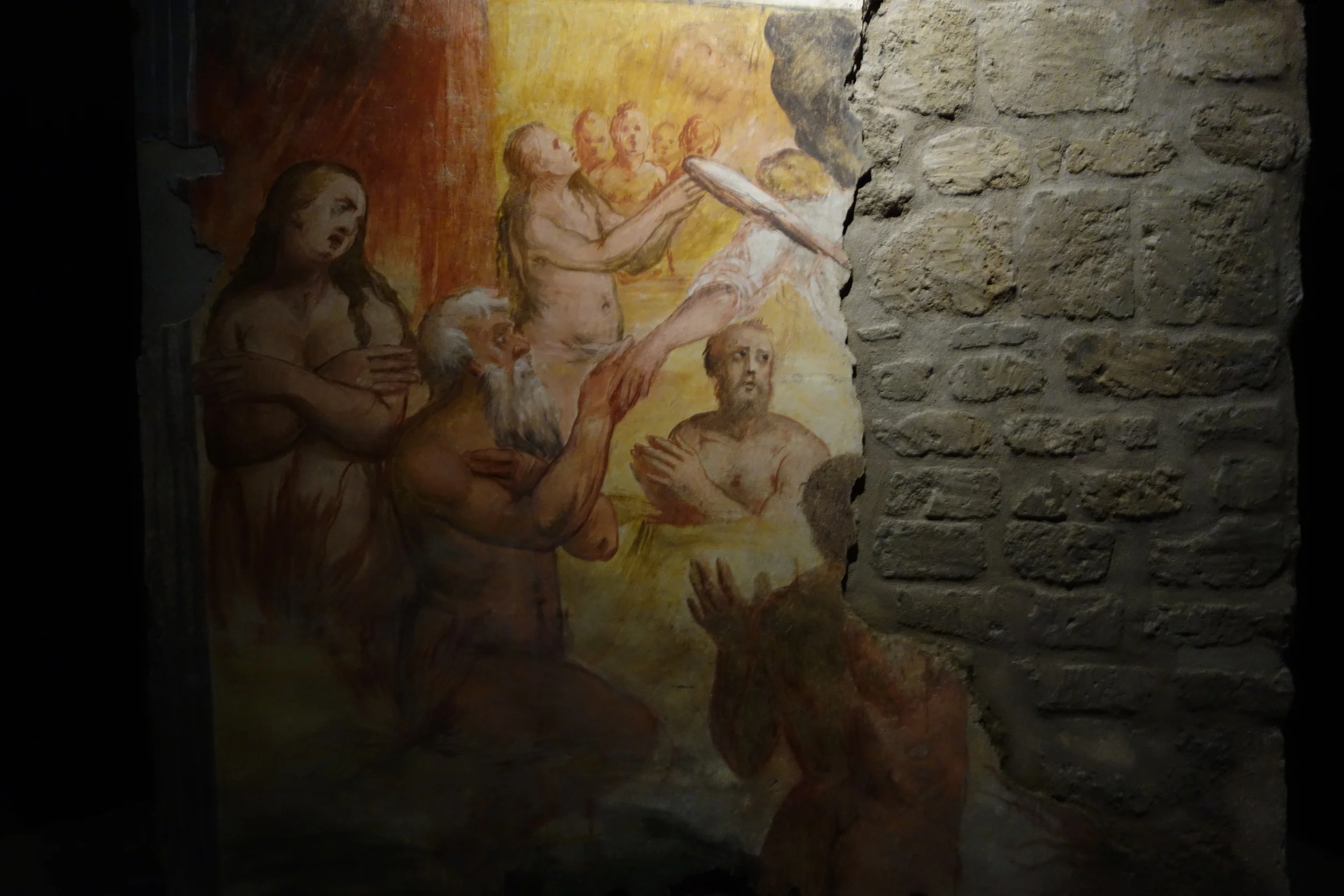
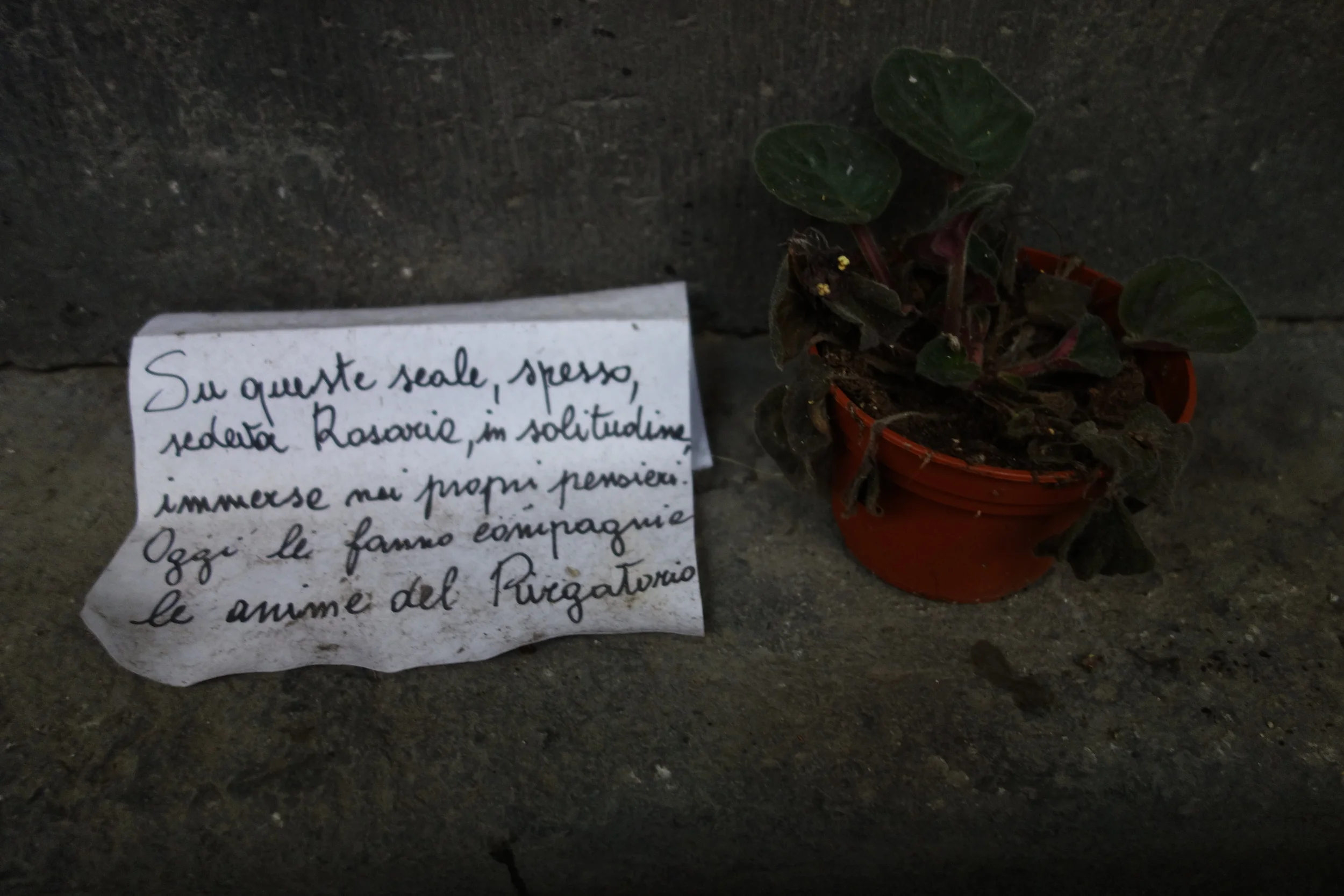

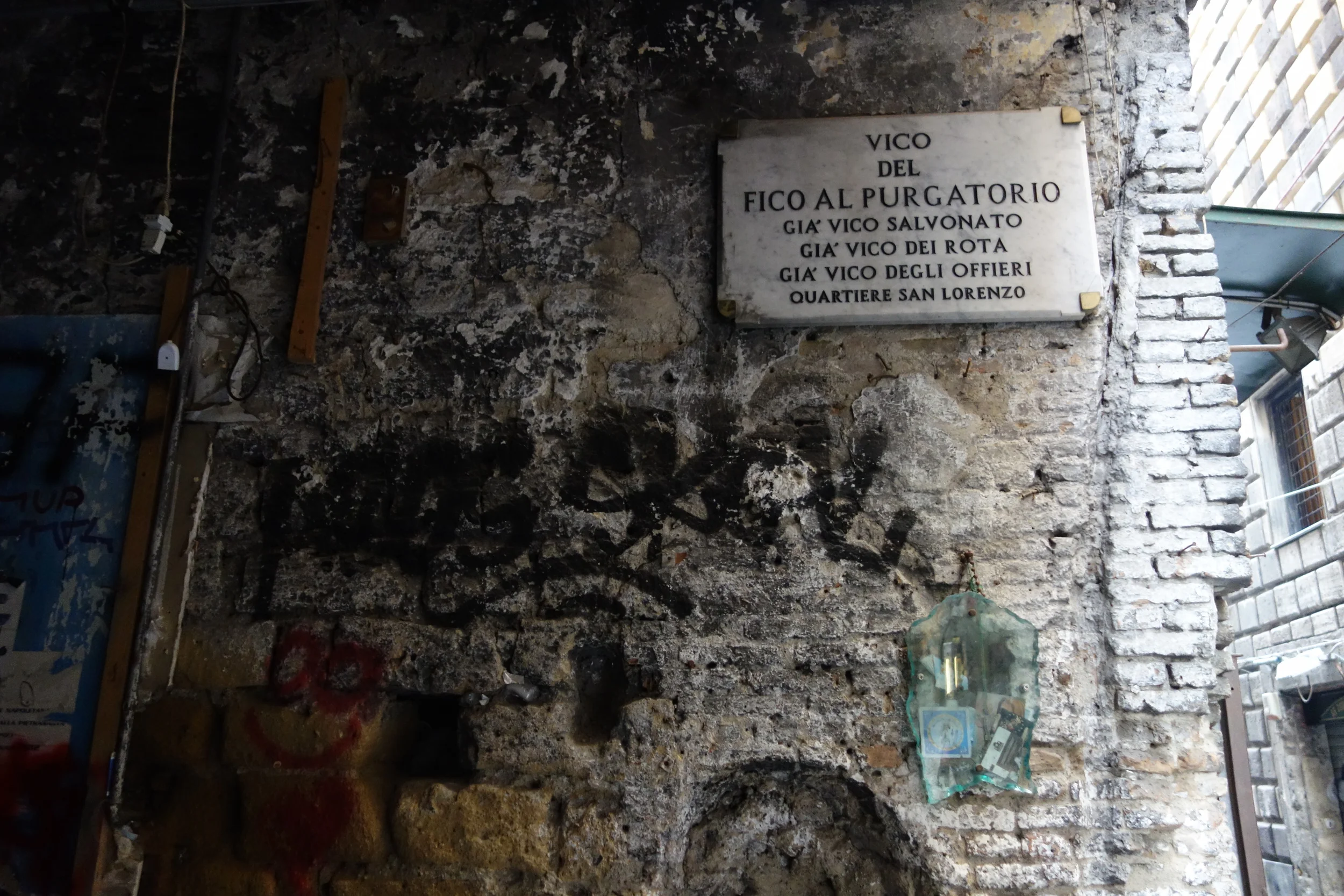
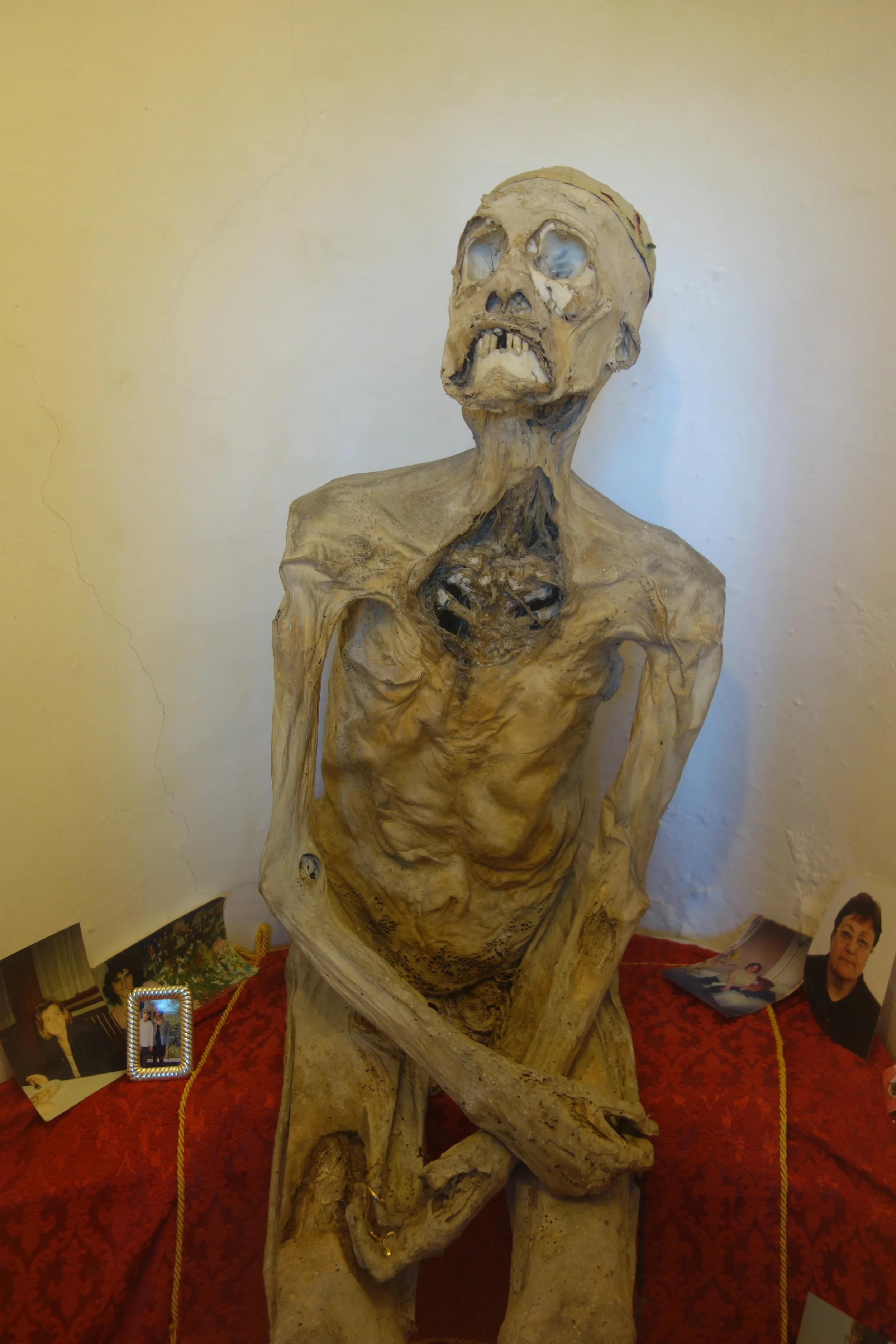
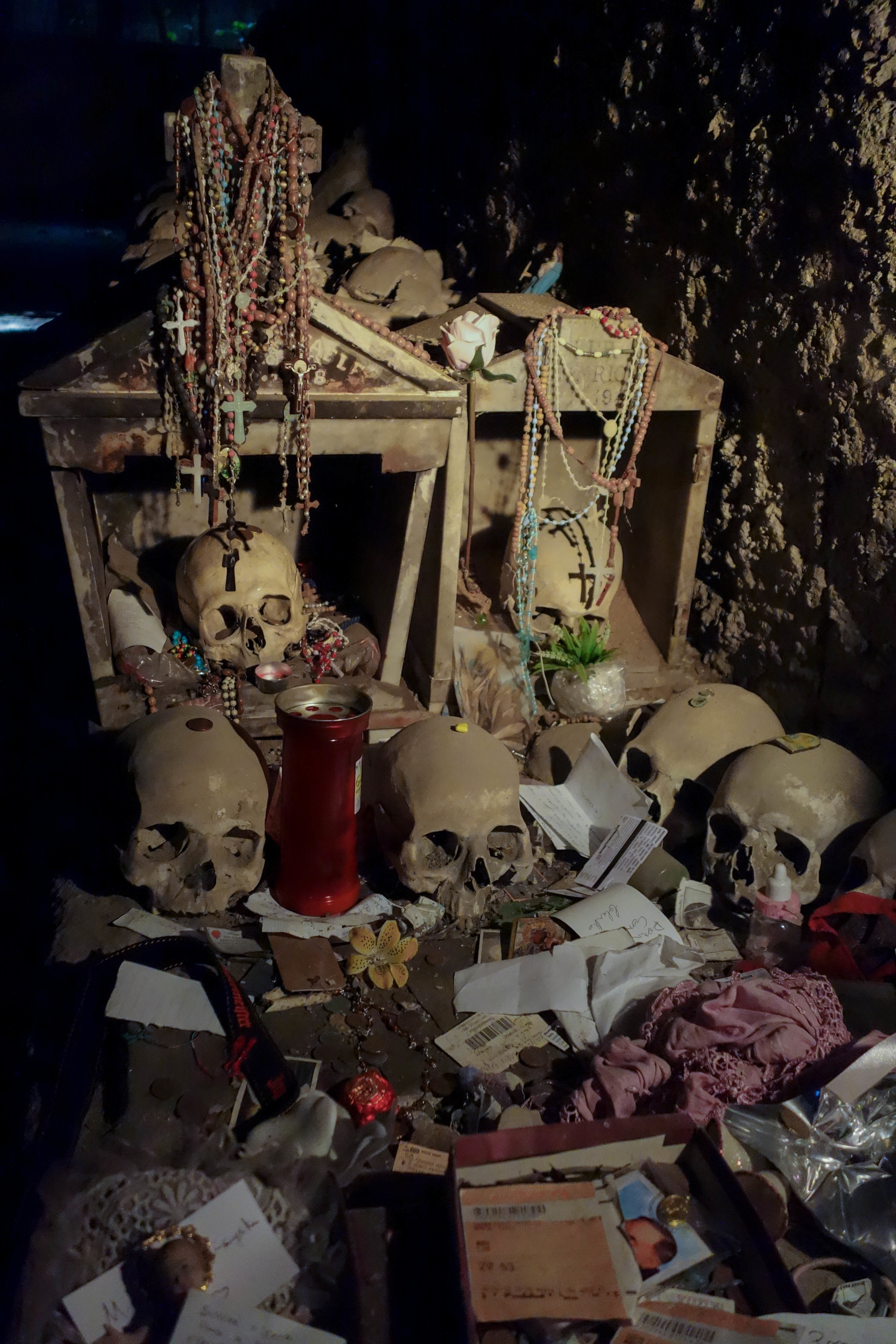
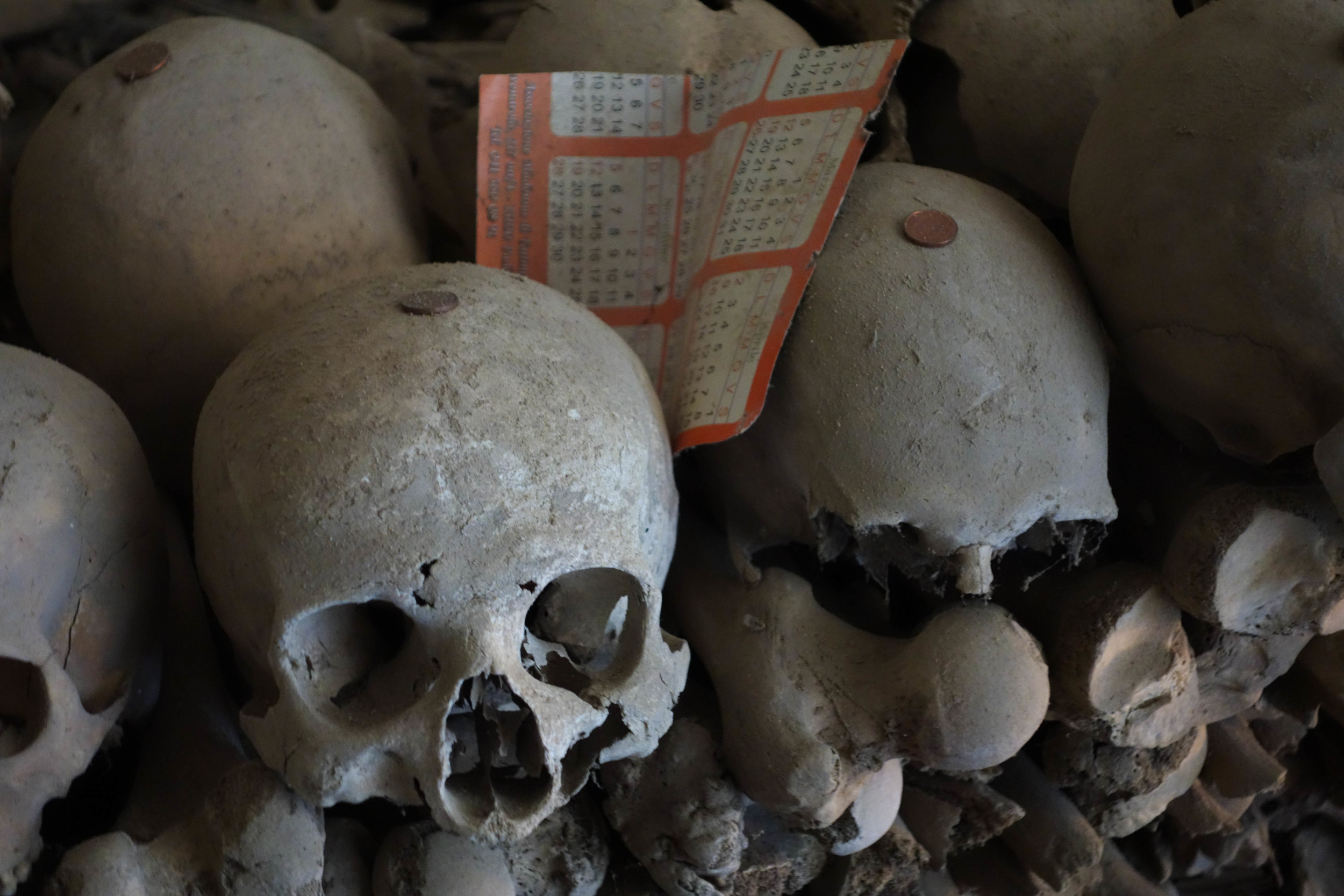

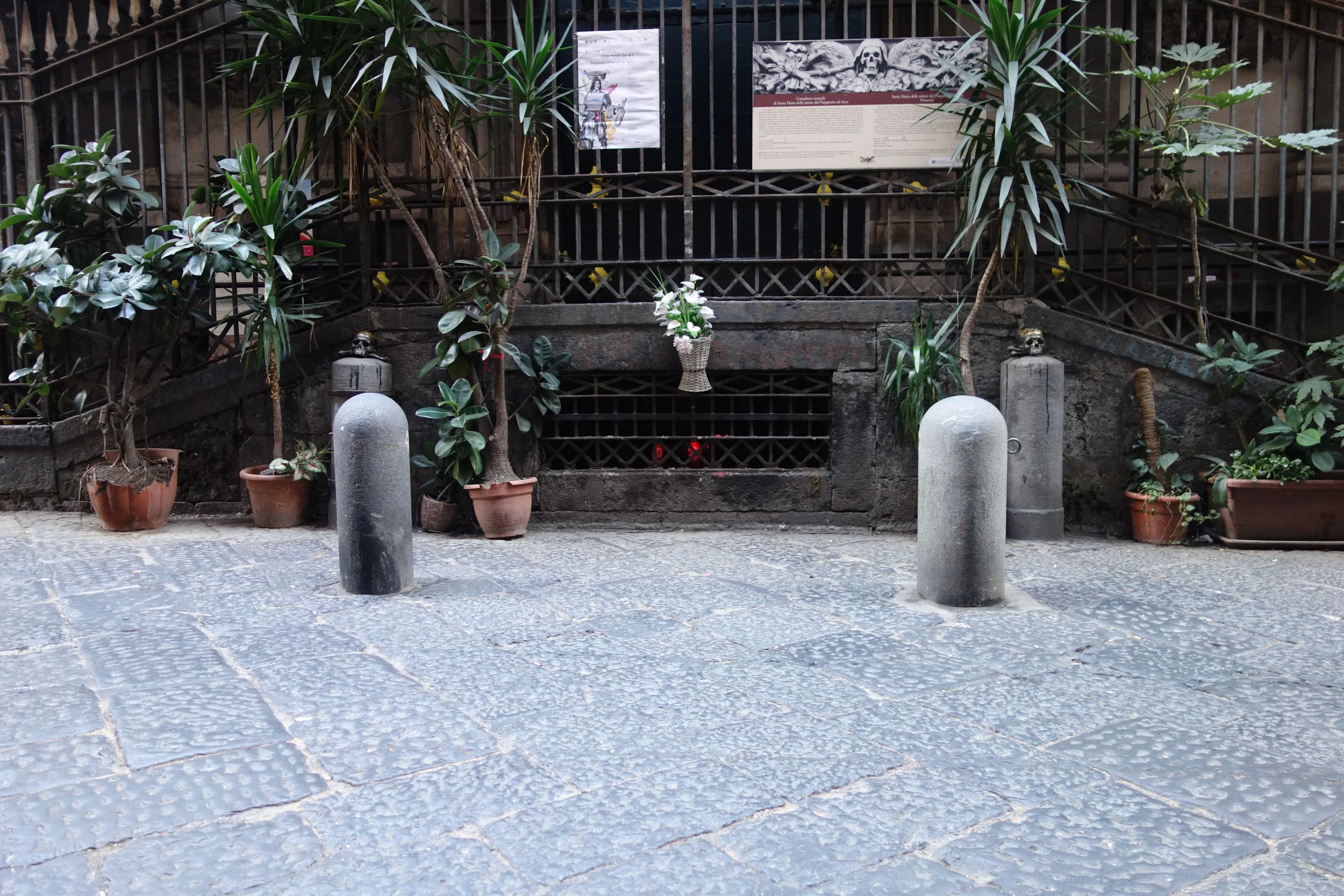
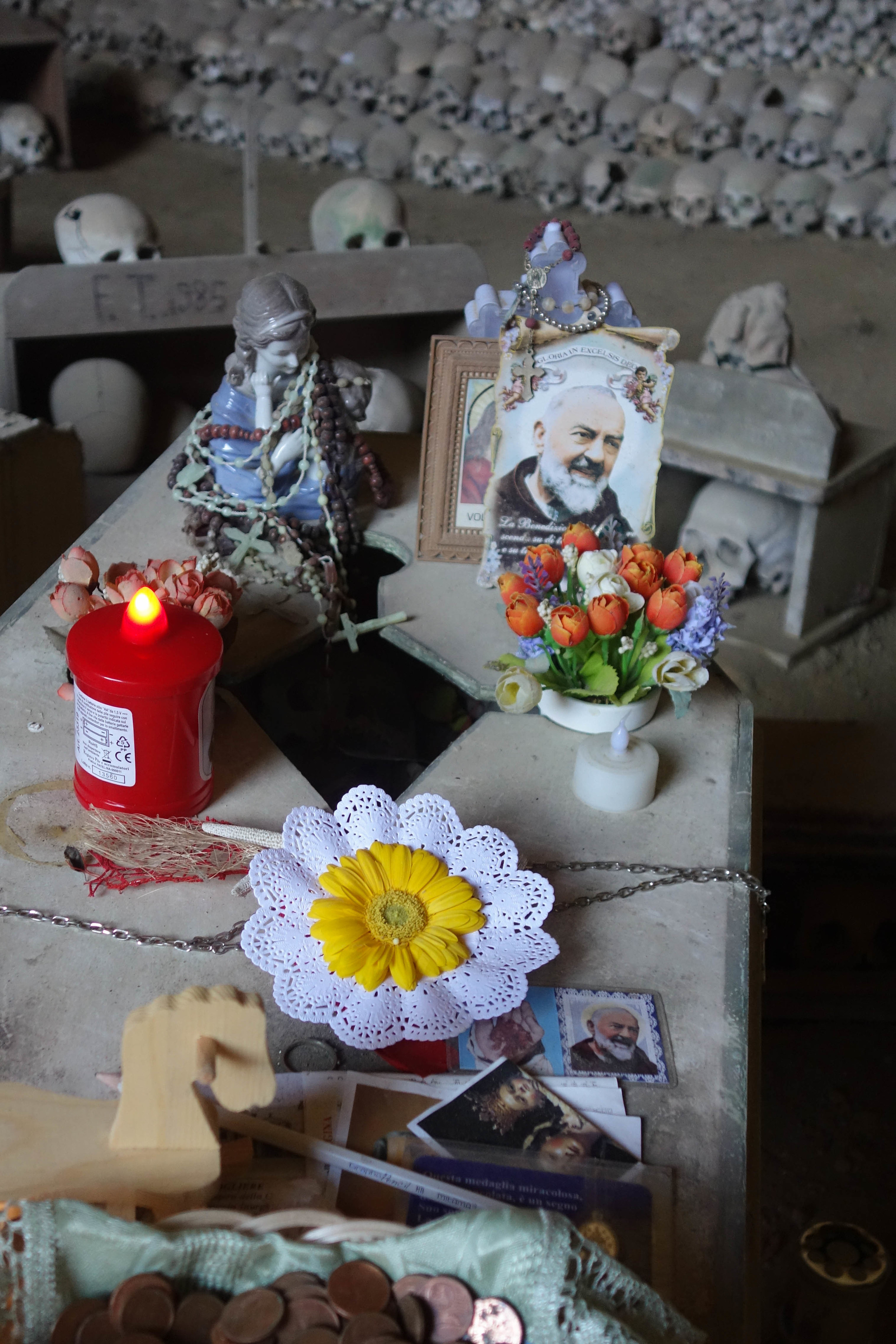
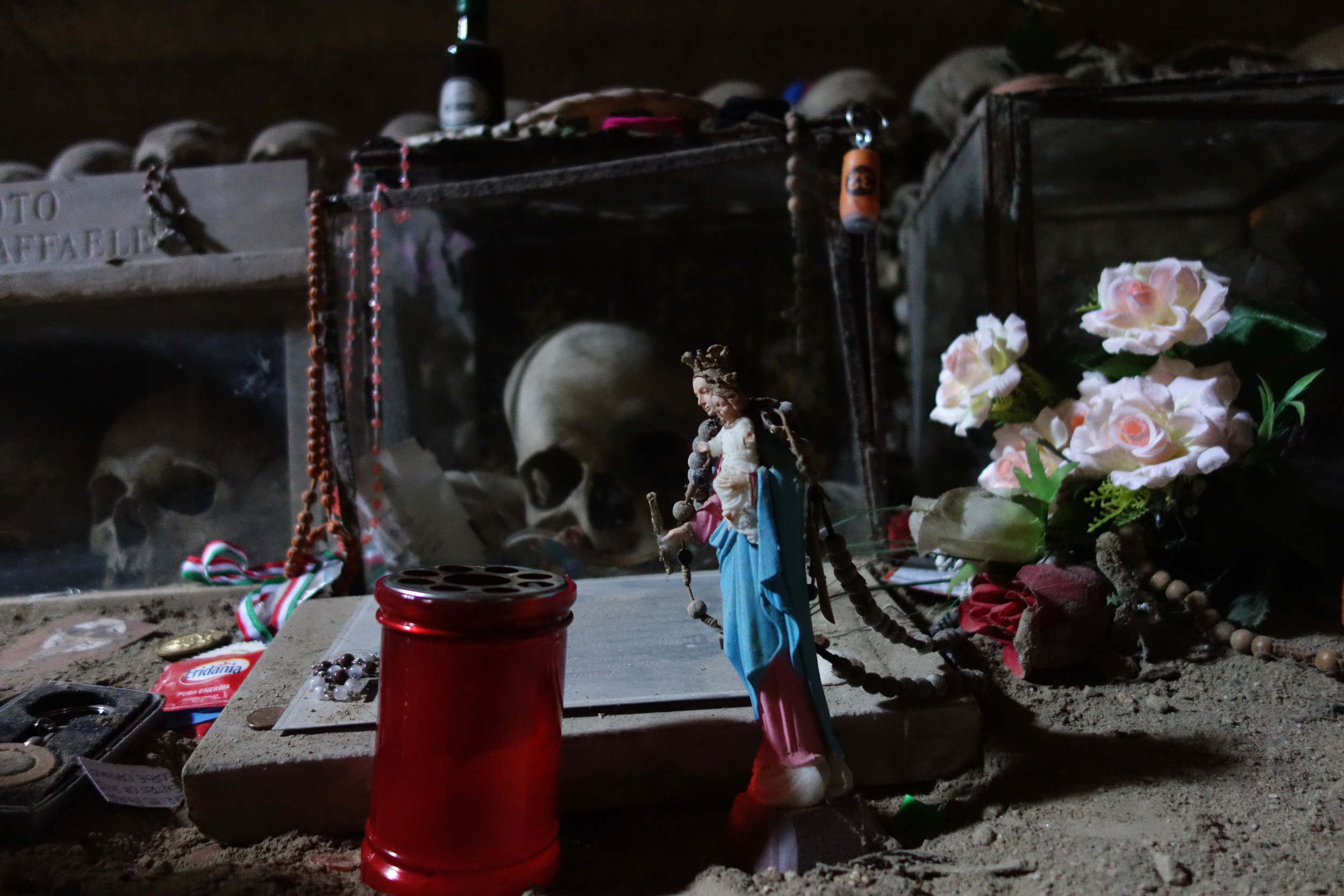
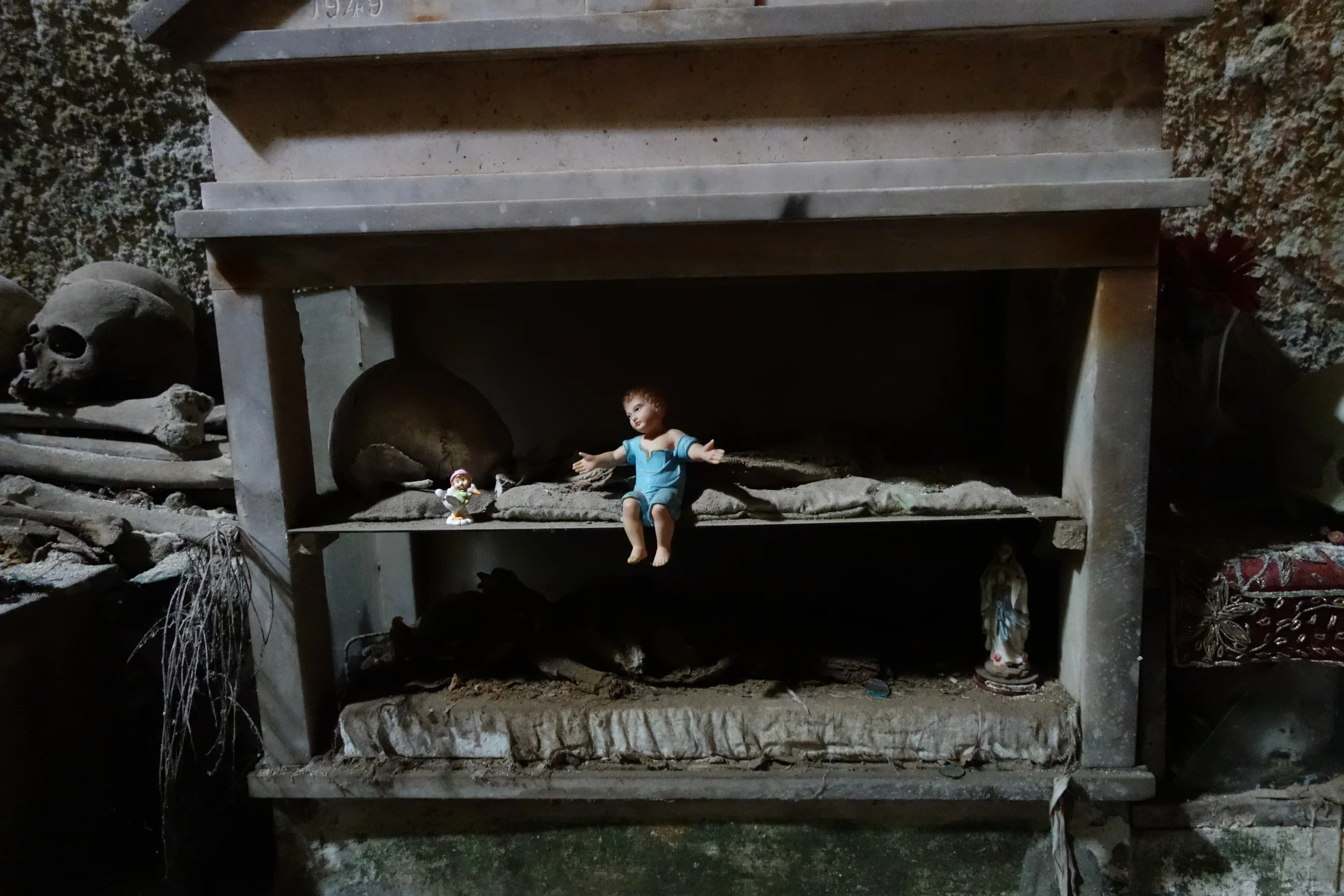
Photographing the Real Bodies of Incorrupt Saints: Slate
Originally published on Slate.
The Italian nun grimaced at my camera, reviewing the photo that she had just snapped of me. We had to take another, she explained. The shriveled corpse to my left was beautiful. My face had room for improvement.
So it goes in the world of the incorrupt, a group of saints whose bodies supposedly won’t decompose. This particular corpse belonged to St. Paula Frassinetti, displayed at the Convent of St. Dorotea in Rome. In the popular imagination, the incorrupt are like sleeping beauties, but Paula, who’s been dead for 133 years, is shriveled and brown inside her crystal casket. This paradox is what makes the incorrupt fascinating.
Most people think incorruptibility is permanent, but another incorrupt saint, Francesca Romana, disabuses that notion. She’s little more than a skeleton dressed in a nun’s habit. Francesca was deemed incorrupt a few months after her death in 1440. When her tomb was reopened two centuries later, she was nothing but bone. According to Heather Pringle, who investigated research conducted by a team of pathologists from the University of Pisa, opening a tomb can disrupt the microclimates that lead to spontaneous preservation, so even the body of a saint can decompose after it’s discovered.
This is surprisingly unproblematic for believers. The church doesn’t count incorruptibility as an official Vatican-approved miracle anymore. It’s more like a favorable, if fading, sign from God.
Incorruptibility also isn’t binary, something you either are or aren’t. It can affect just one body part, lending extra significance to a heart, tongue, or hand. There are shades and degrees within the ranks of the incorrupt that make their numbers impossible to tally. The best account comes from Joan Carroll Cruz, a housewife who took it upon herself to research and count every incorrupt saint. Though secular researchers find her too credulous, her book published in 1977, The Incorruptibles, remains one of the most complete lists available.
Adding to the confusion around incorrupt saints are the ones who seem perfect but in fact are too good to be true. St. Victoria, a fragmented skeleton, was hauled out of the Roman catacombs at the mere suggestion she might be a martyr. In her lifetime, she would not recognize her name, story, even post-postmortem outfit changes: Those were pieced together or invented entirely by the church.
On the opposite bank of the Tiber, the incorrupt body of Blessed Anna Maria Taigi rests in the church of San Crisogono. From afar she looks ideally incorrupt, but visitors who get close can see that the wrinkles in her face are formed in wax. A few dozen black hairs reach out from her blonde curls, signaling something more macabre underneath. She, too, is a skeleton.
It’s tempting to see these lapses in realism and historical provenance and find satisfaction in that detective work. But the preservation of the incorrupt is often meant to be noticed. The sacristan, an officer in charge of overseeing Anna Maria’s sacred relics (what he sweetly called her “little old lady things”) explained that the wax on her isn’t designed to trick people. It’s to preserve an honest impression of her the moment she was discovered in her grave.
Of course there are other, more abstract ways to preserve a body’s likeness, ones less likely to lead to accusations of trickery. St. Paula was given a bath in carbolic acid to help preserve her. Rome has several incorrupt men encased in silver, including Pope St. Pius V and St. Vincent Pallotti, as well as two women in white marble: St. Catherine of Sienna and St. Cecelia. As with Anna Maria Taigi, with scant information provided by the shrines, it’s difficult to know where the incorrupt end and where the effigies begin.
Yet the mystery is part of how the incorrupt draw us in with their uncanny sleeping faces, as if the twins Hypnos and Thanatos were playing tricks by switching places. They are somehow both a memento mori and the opposite of the anonymous grinning skull. We will all die, but maybe, if we’re very good, we can linger in this world.
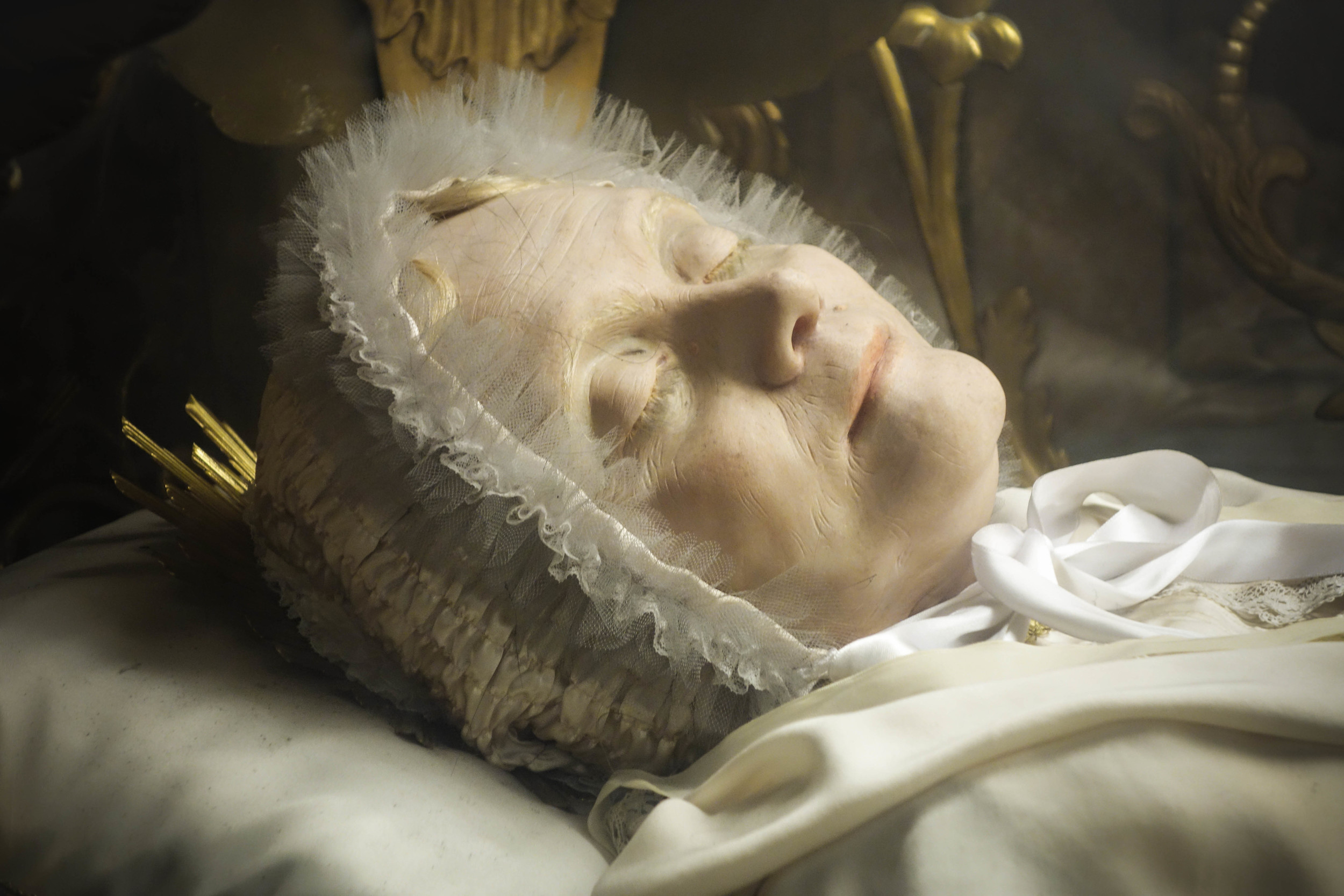
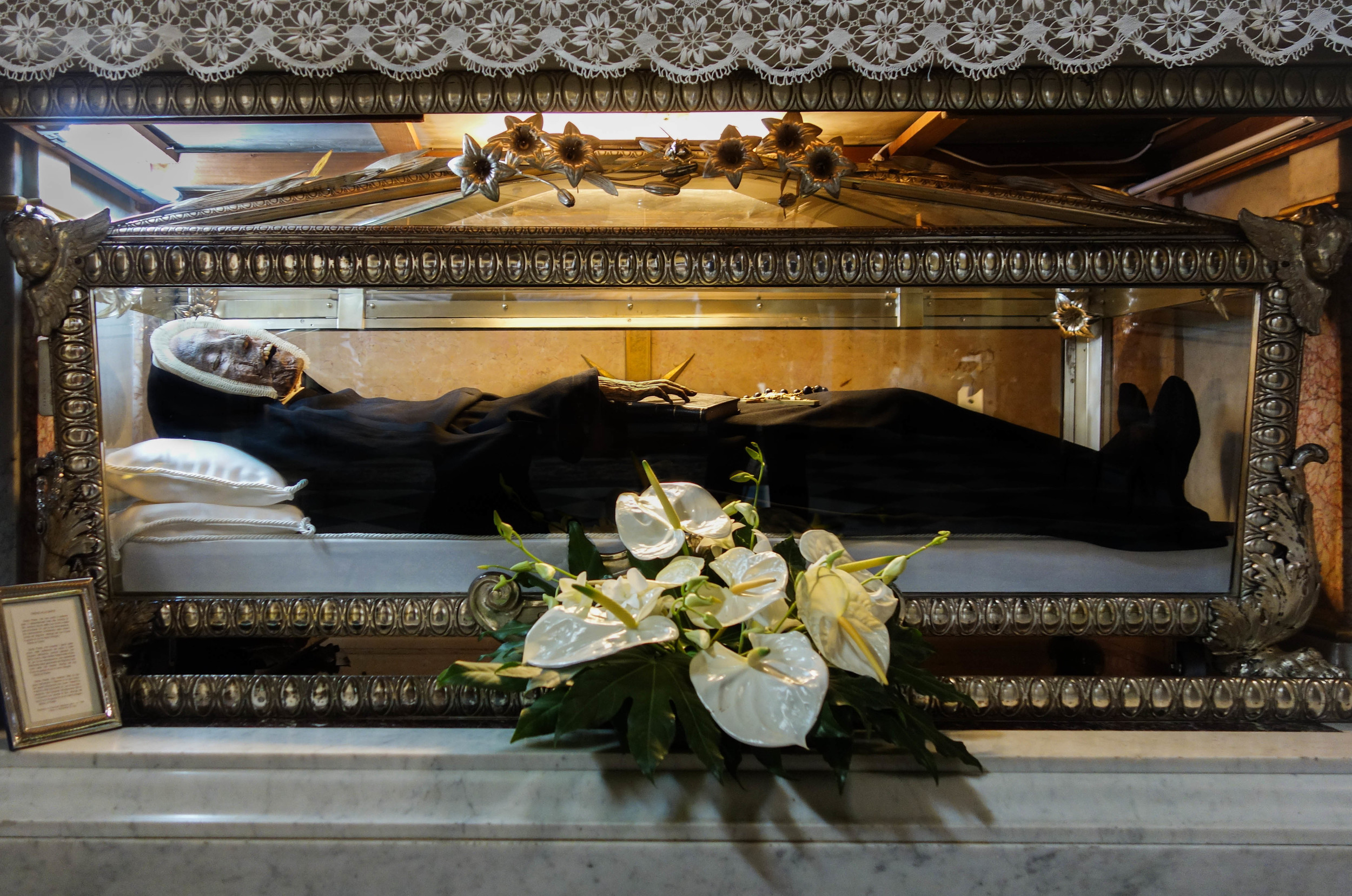
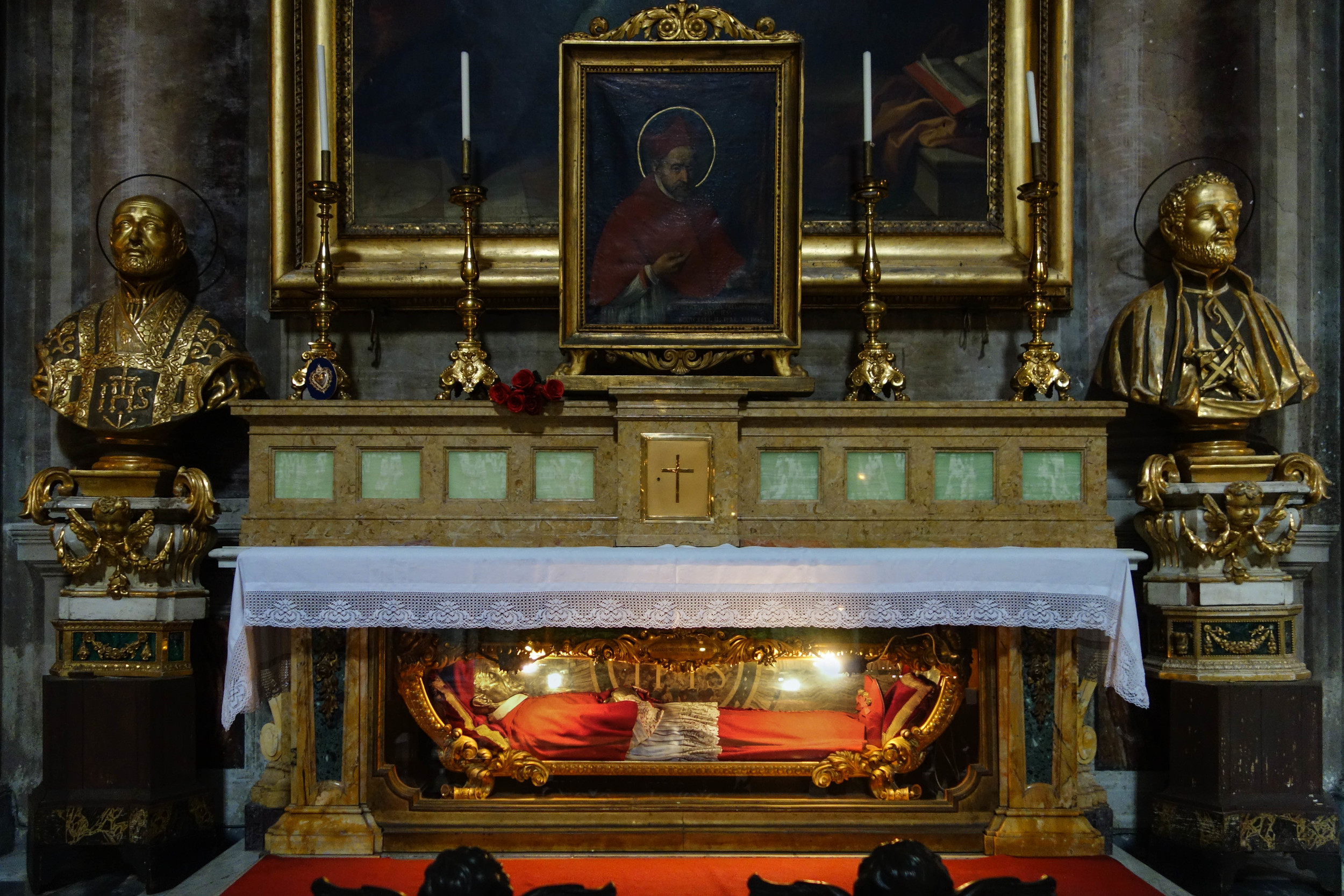

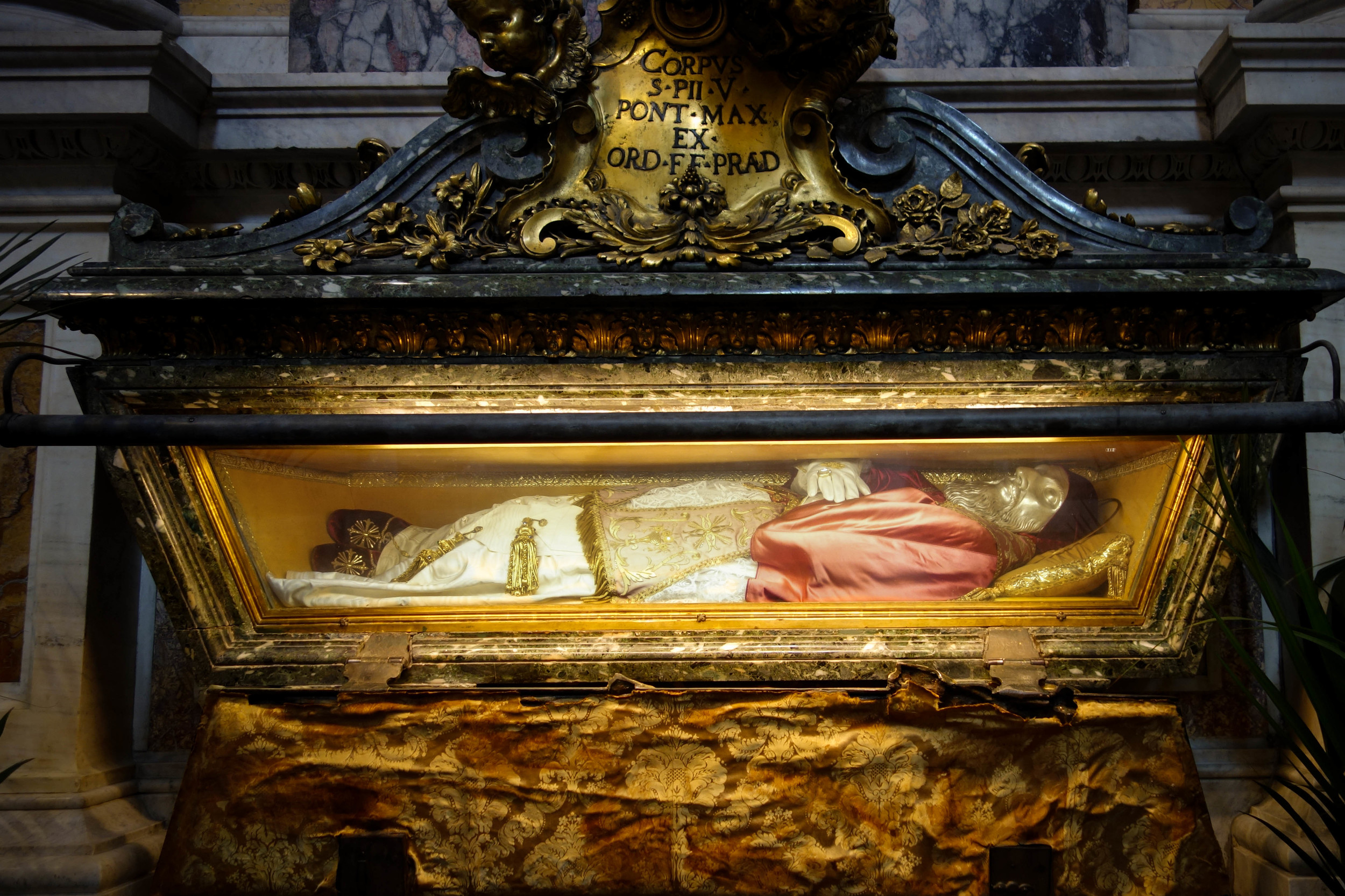
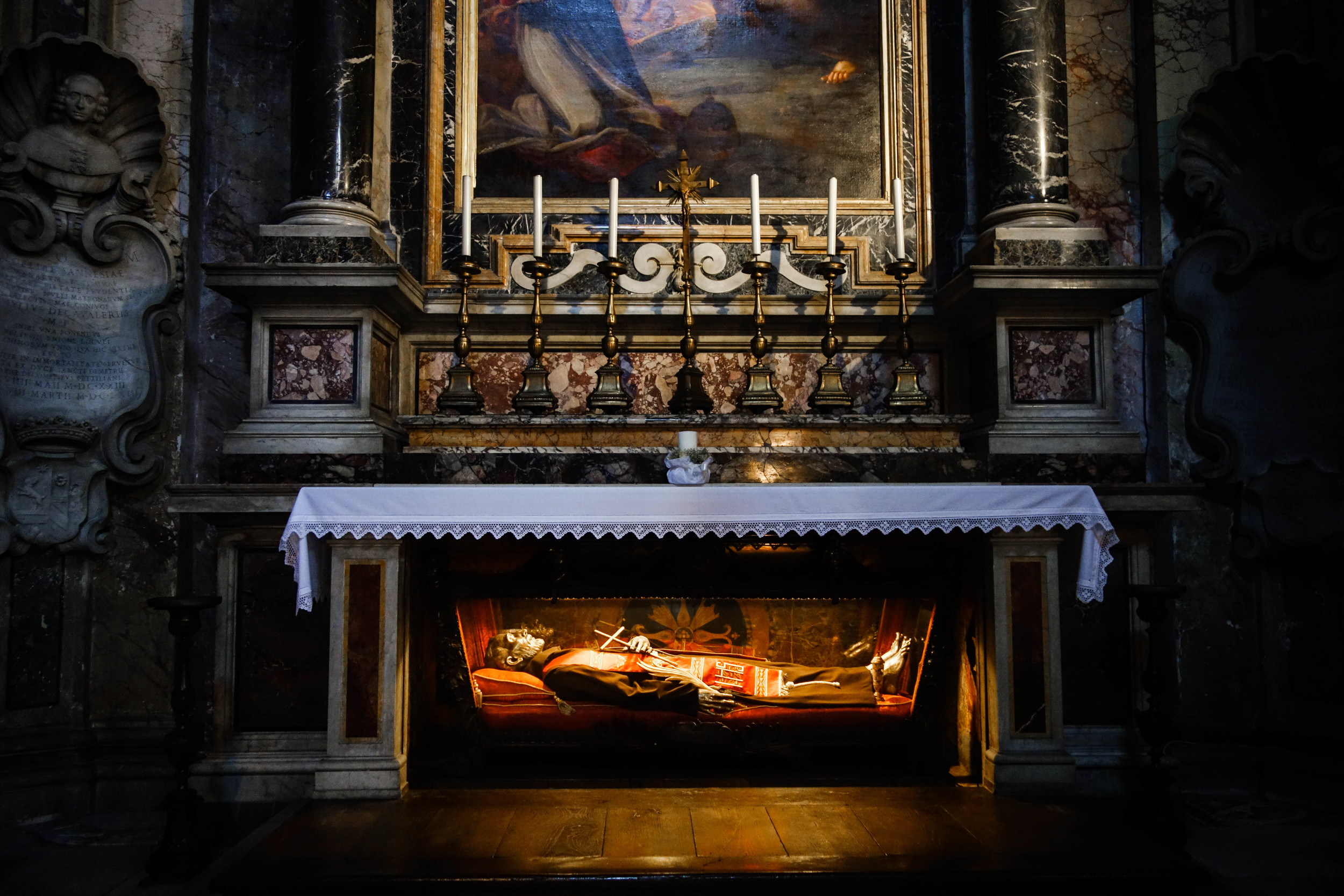
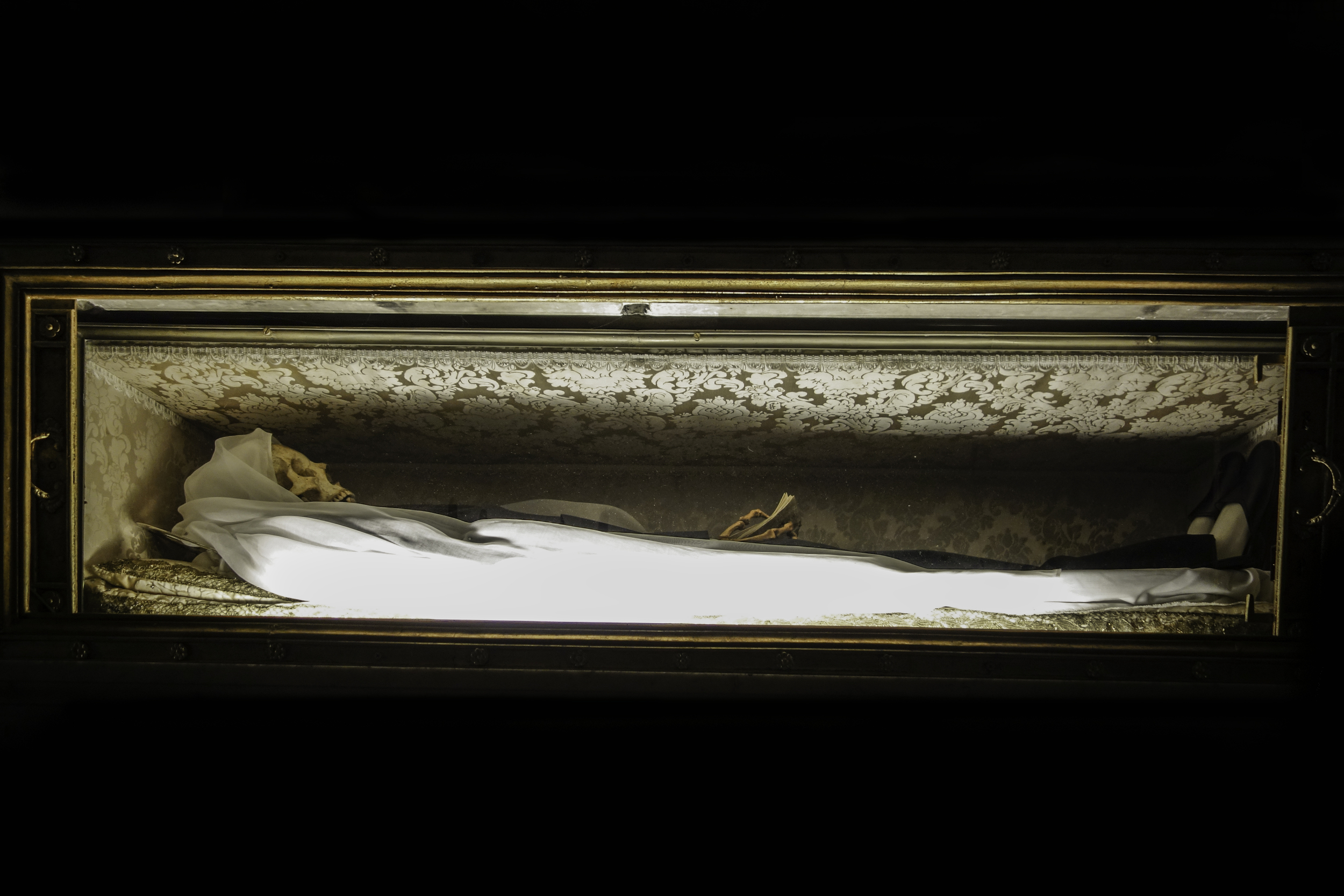
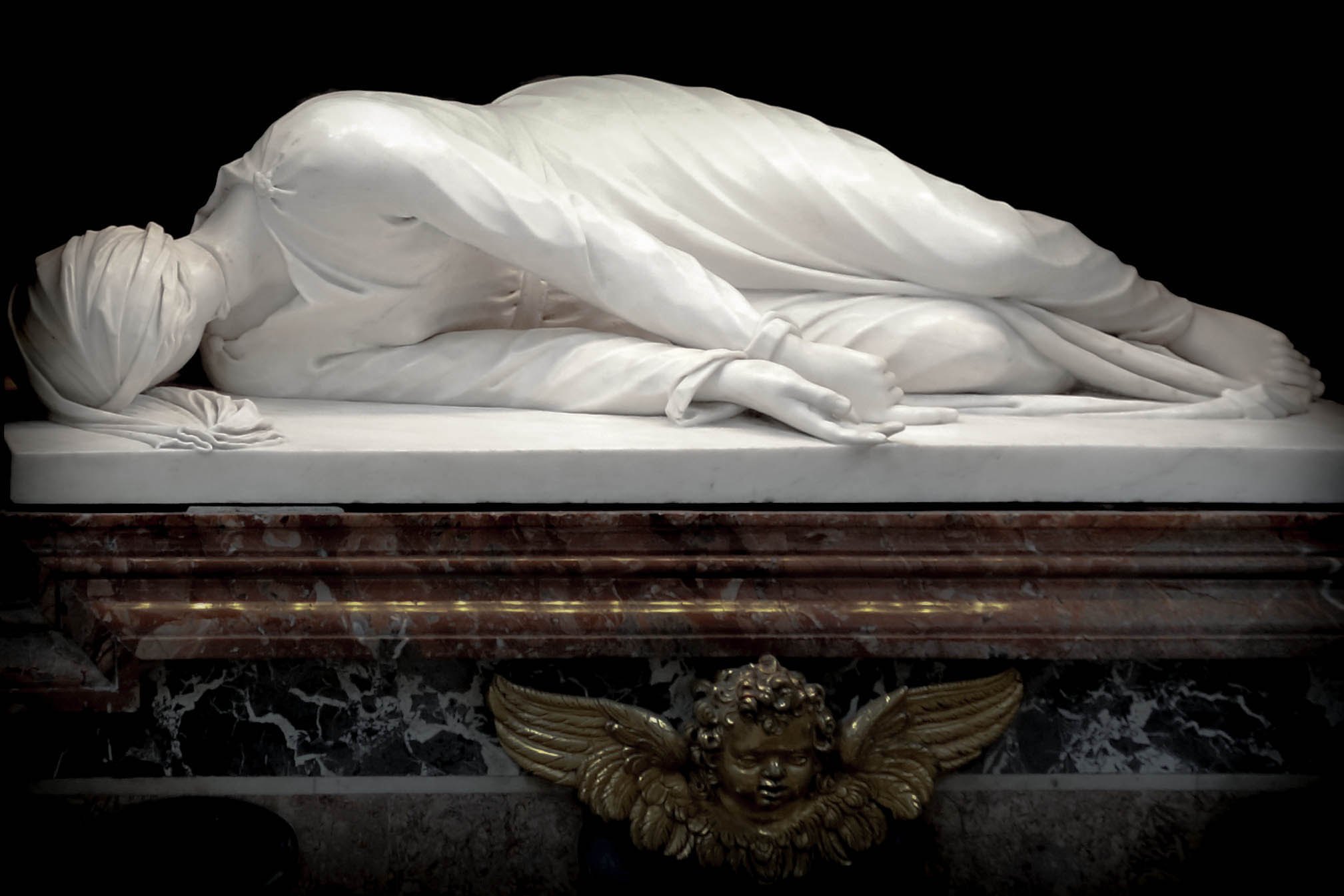
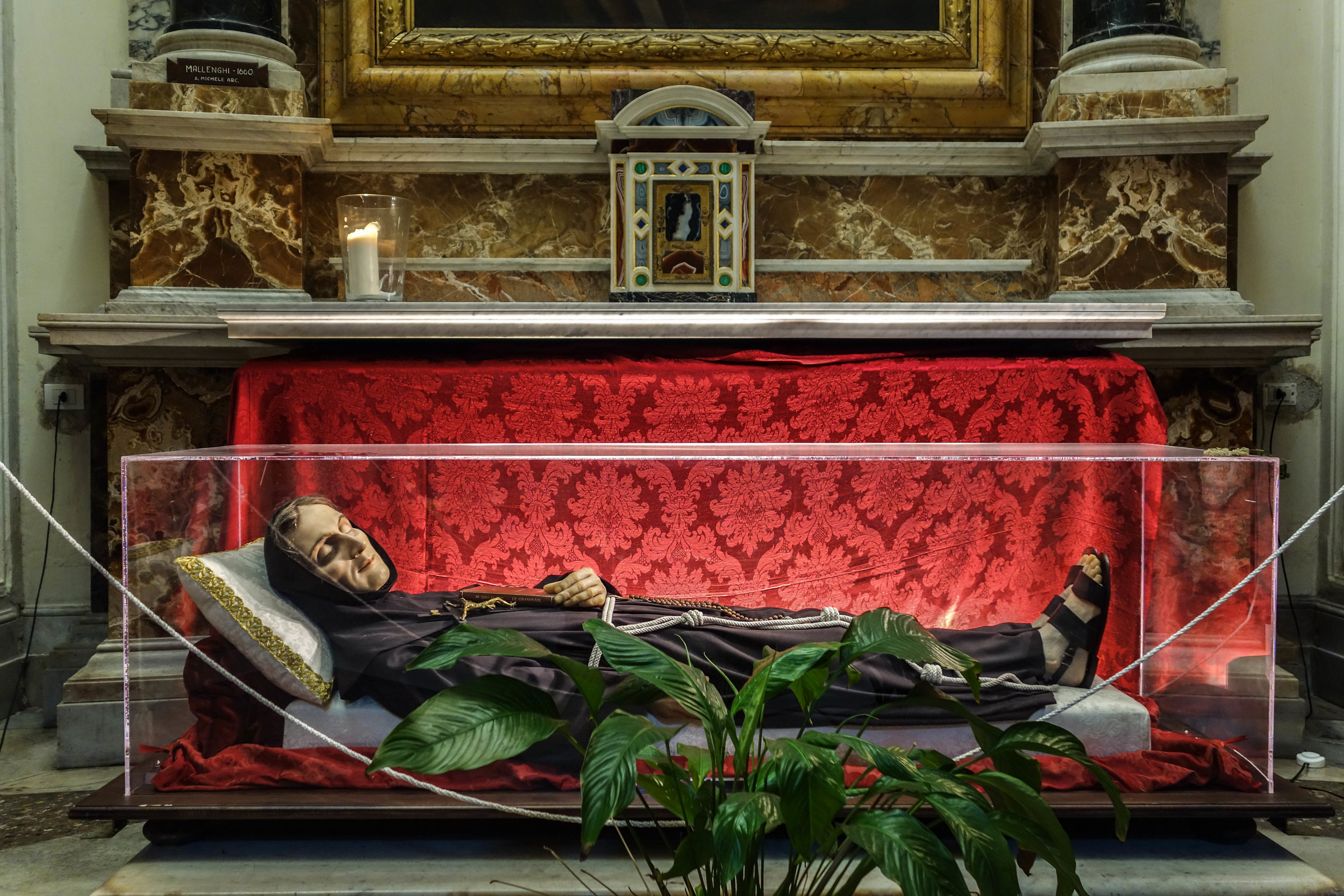
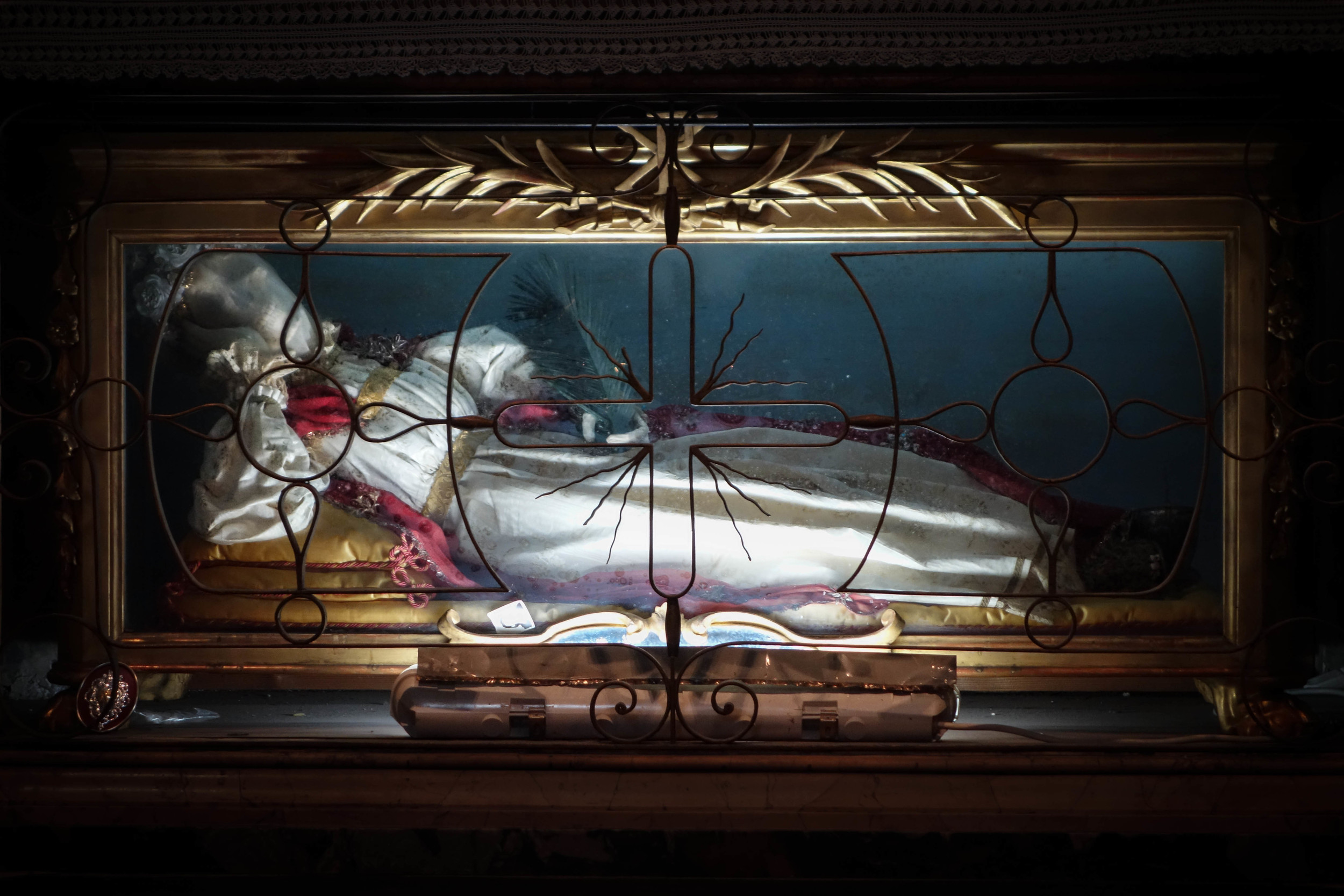
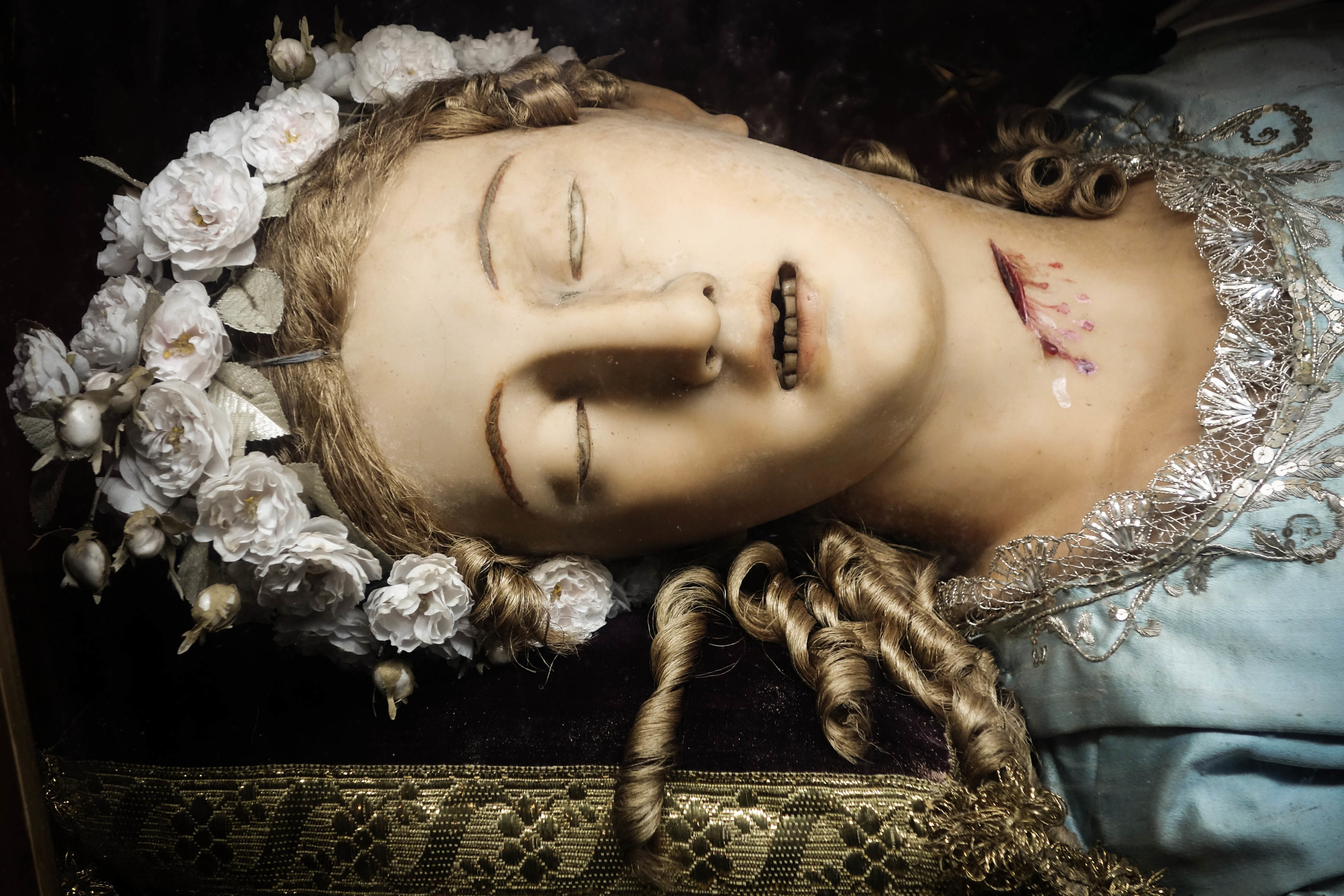
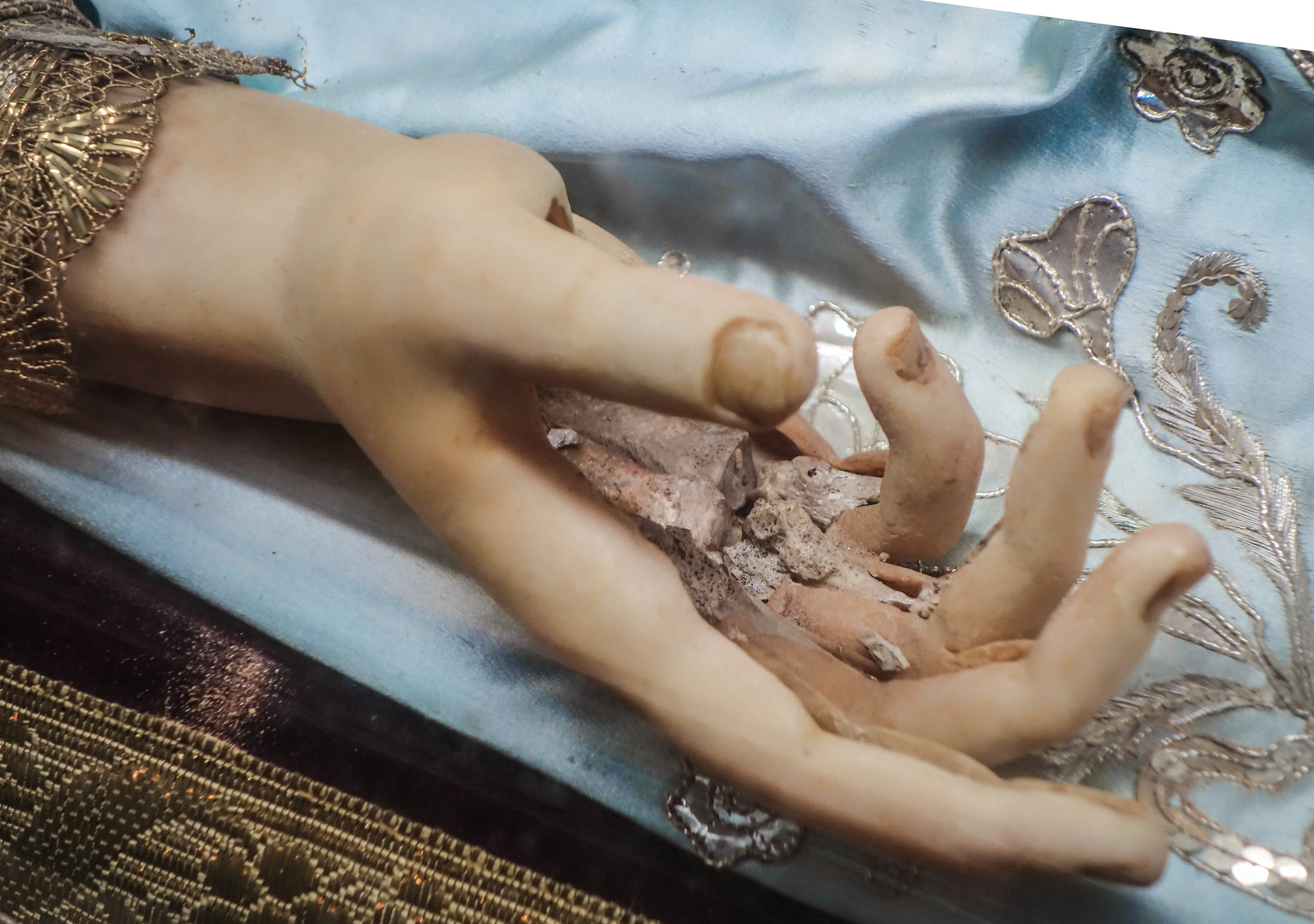
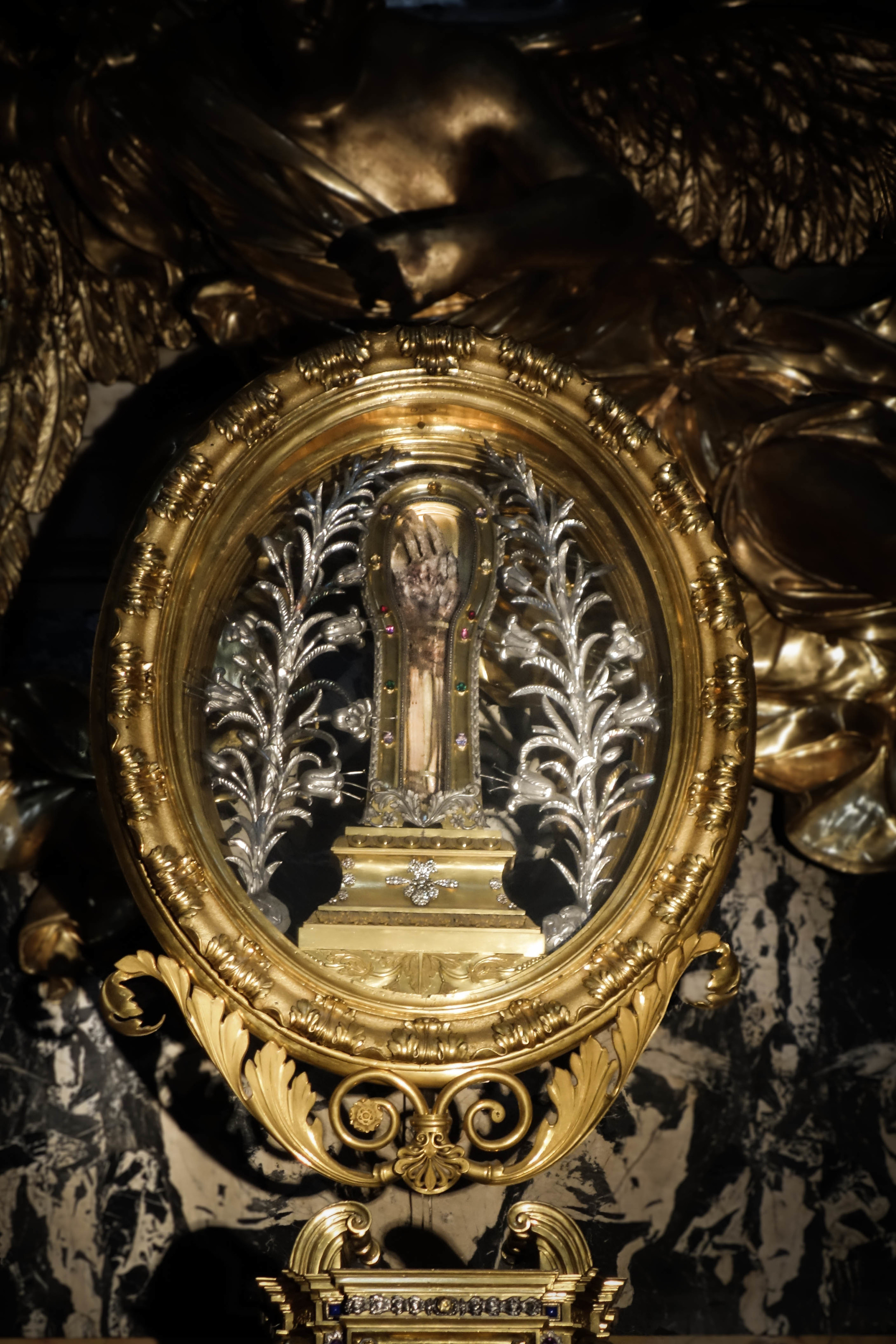
The Mesmerizing Skeletons of Rome: Swide Magazine
Originally published on Swide by Ben Taylor.
Photographer and urban explorer Elizabeth Harper has found herself charmed by the last thing one would expect to be charmed by… the skeletons of Rome. Now, I’m not talking those that lay beneath our feet or those of the saints stored in intricate glass tombs, no, I am talking about the grand marble skeletons that creep, play and oversee the chapels and churches of Rome. There are those that are celebrating the macabre, skeletons that appear to be mocking the dead (or is that the living?) and there are those that revel in the gloom that they perpetuate.
This juxtaposition of life within the dead is a style that was made popular by Italian artist and architect Gian Lorenzo Bernini (1598 – 1680) who worked principally in Rome. You’ll recognise his name as the master of Rome’s baroque fountains, namely the Fountain of the Triton and the Barberini Fountain of the Bees.
Armed with a camera and a creative eye, Elizabeth Harper has hunted down the skeletons of Rome and created a collection of photographs that tell stories of those passed and of those to come.
It’s no surprise that these skeletons often come bearing solemn messages; one in particular can be found on an engraved skeleton on the façade of Santa Maria dell’Orazione e Morte and has written ‘Hodie mihi. Cras tibi.’ ‘Today me. Tomorrow you’. But, as Elizabeth Harper explains, ‘though the skeleton may only say, “You are going to die," for some that implies, “You haven’t lived yet.’
One thing you’ll notice about many of these striking statues and pieces, is that the skeletons have wings, prompting a belief that death is simply the first step towards something much greater and, perhaps, eternal life.
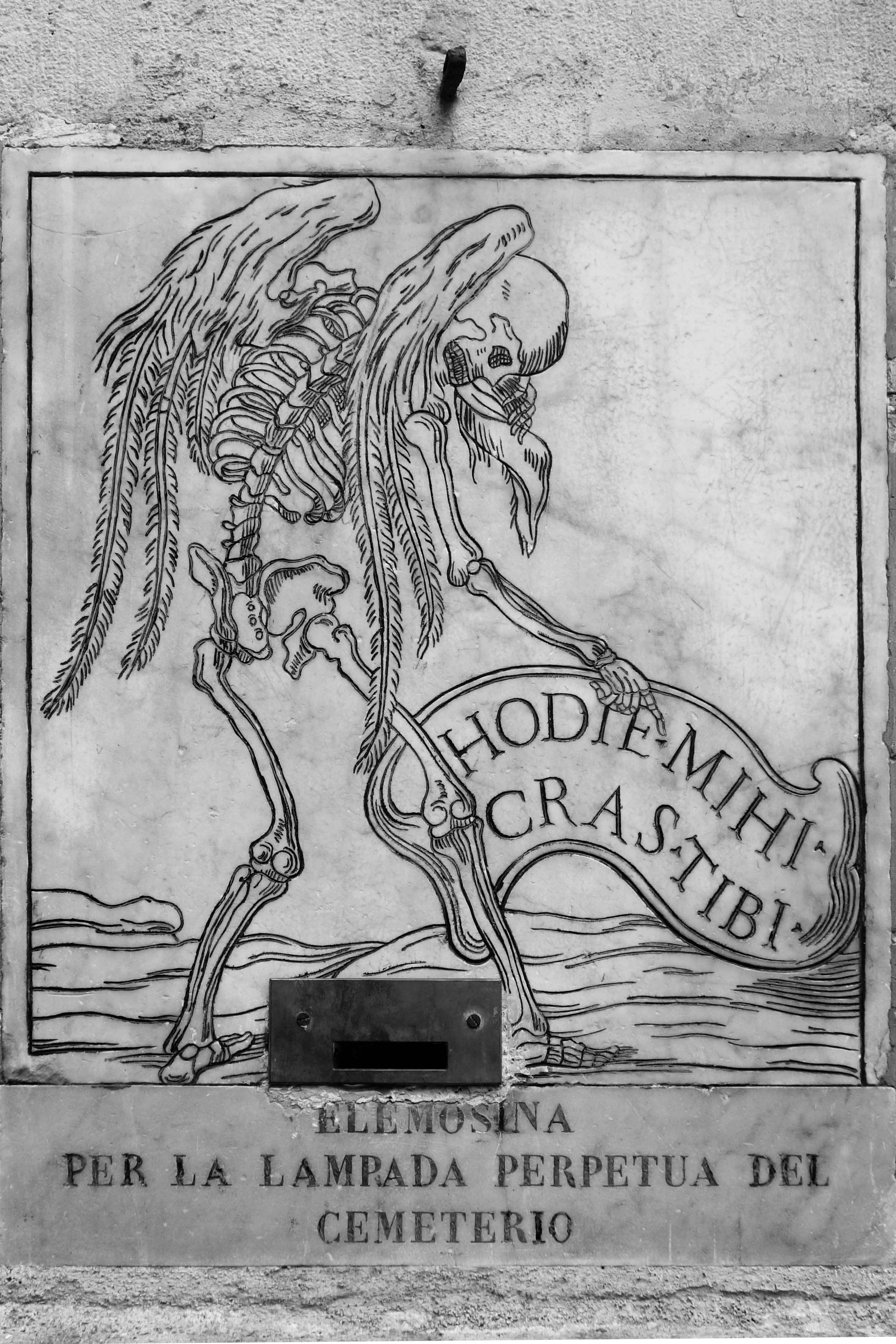
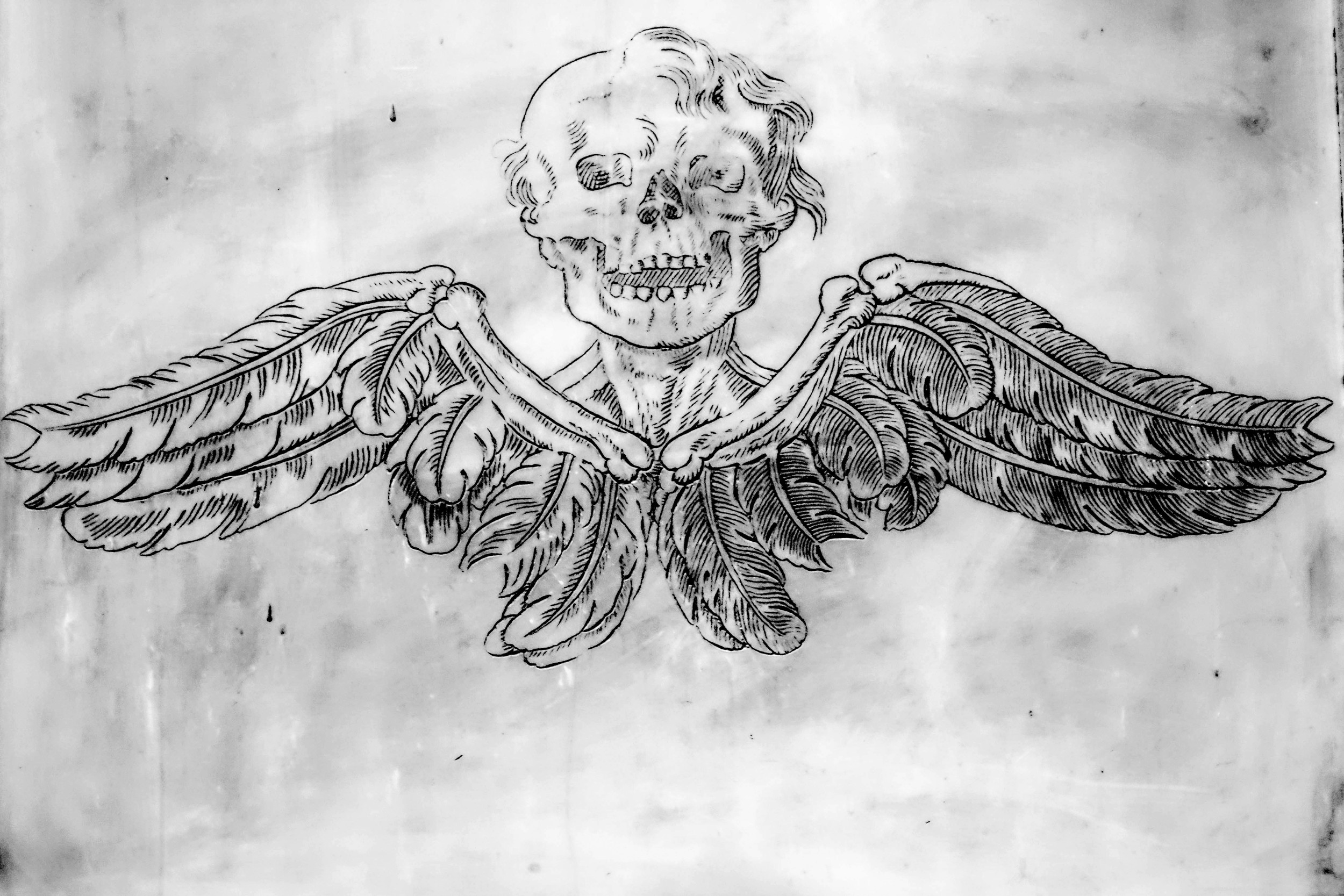
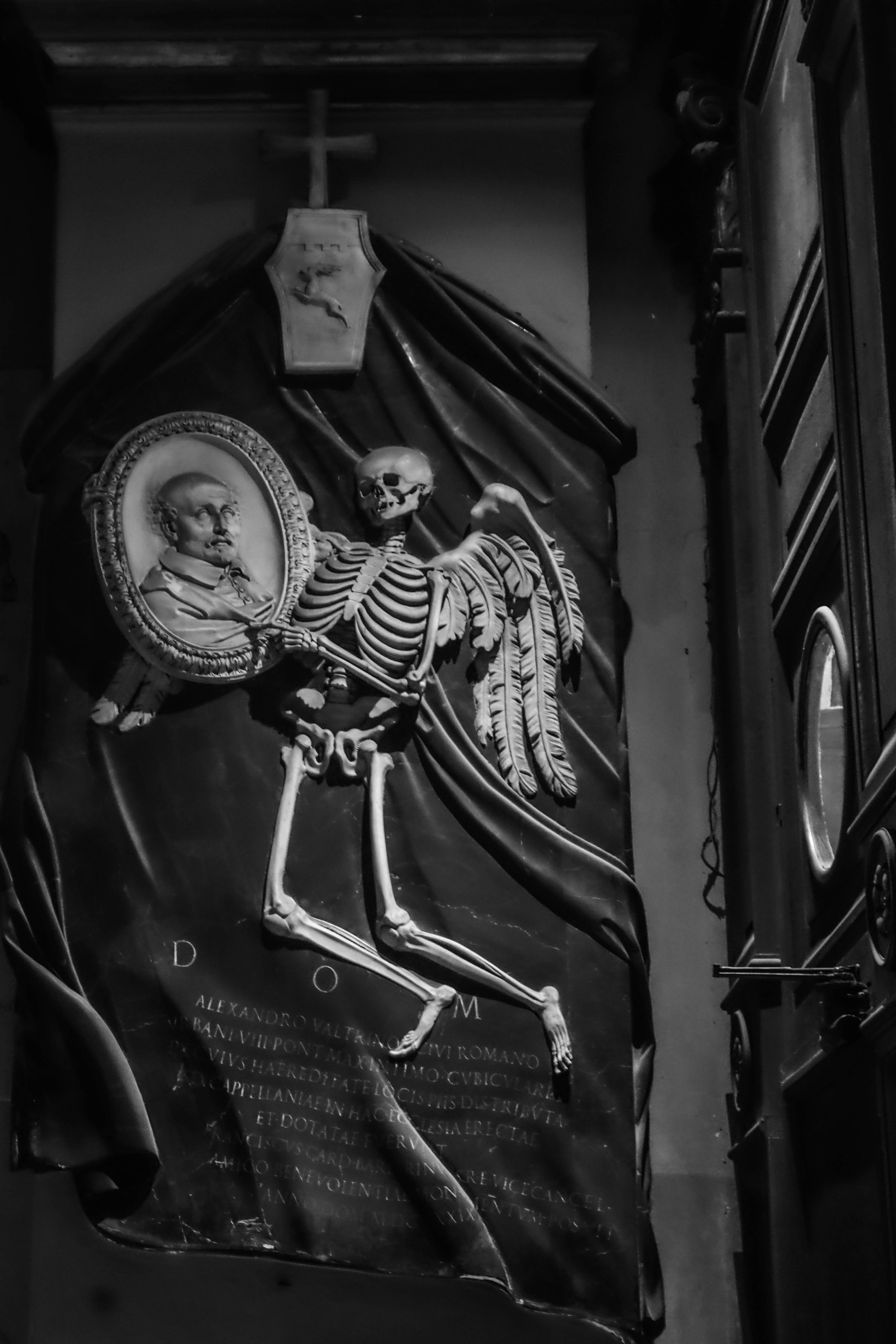
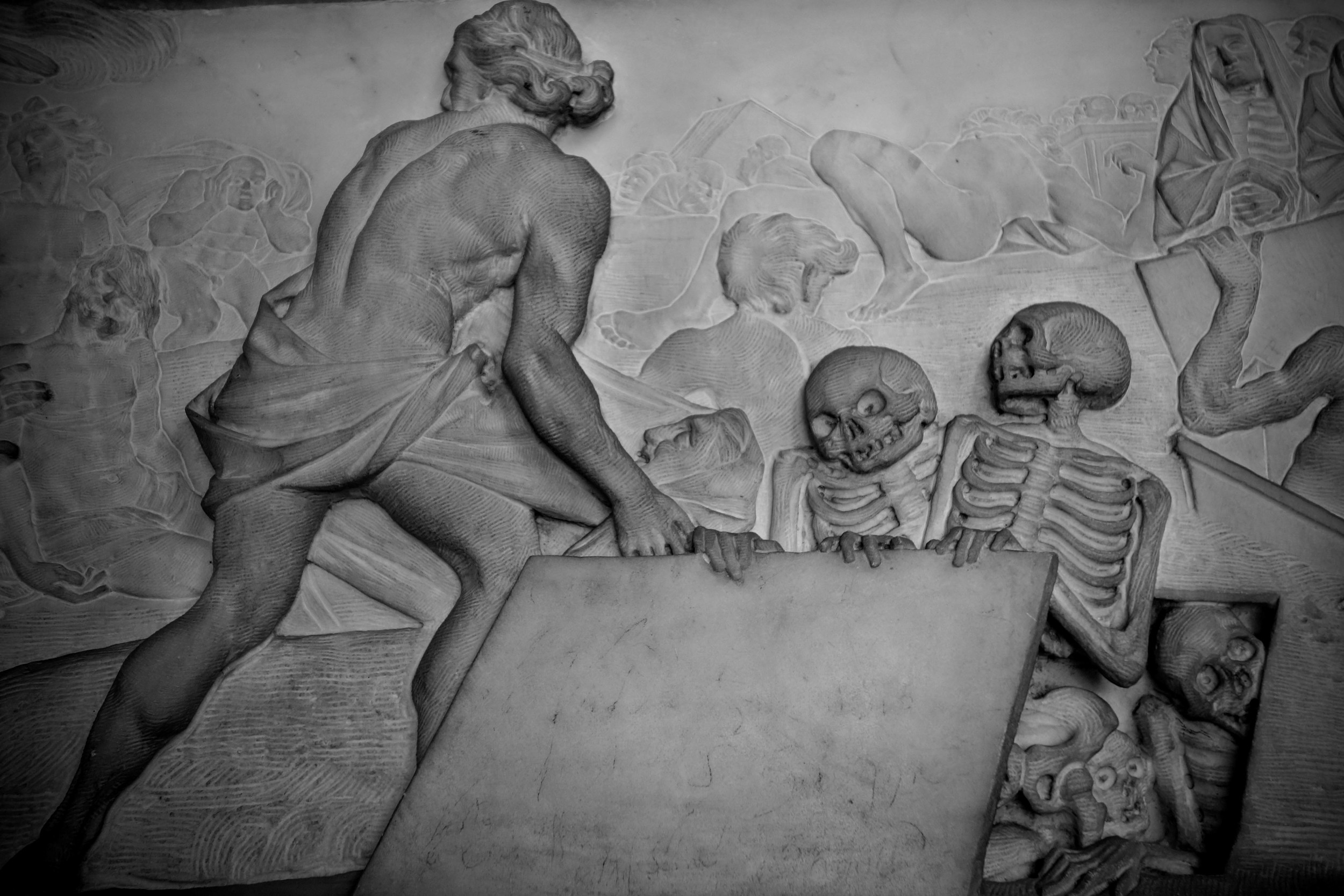
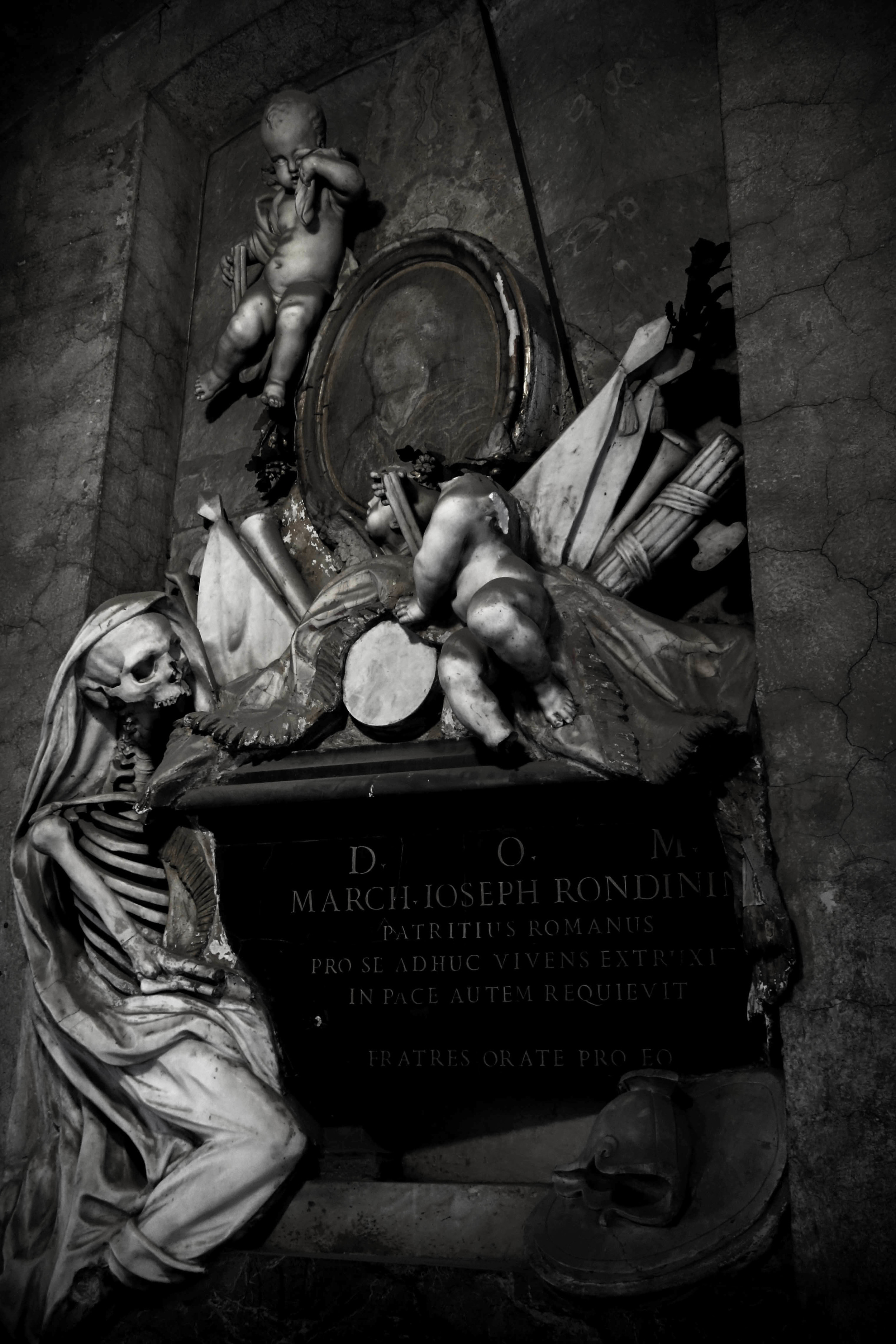
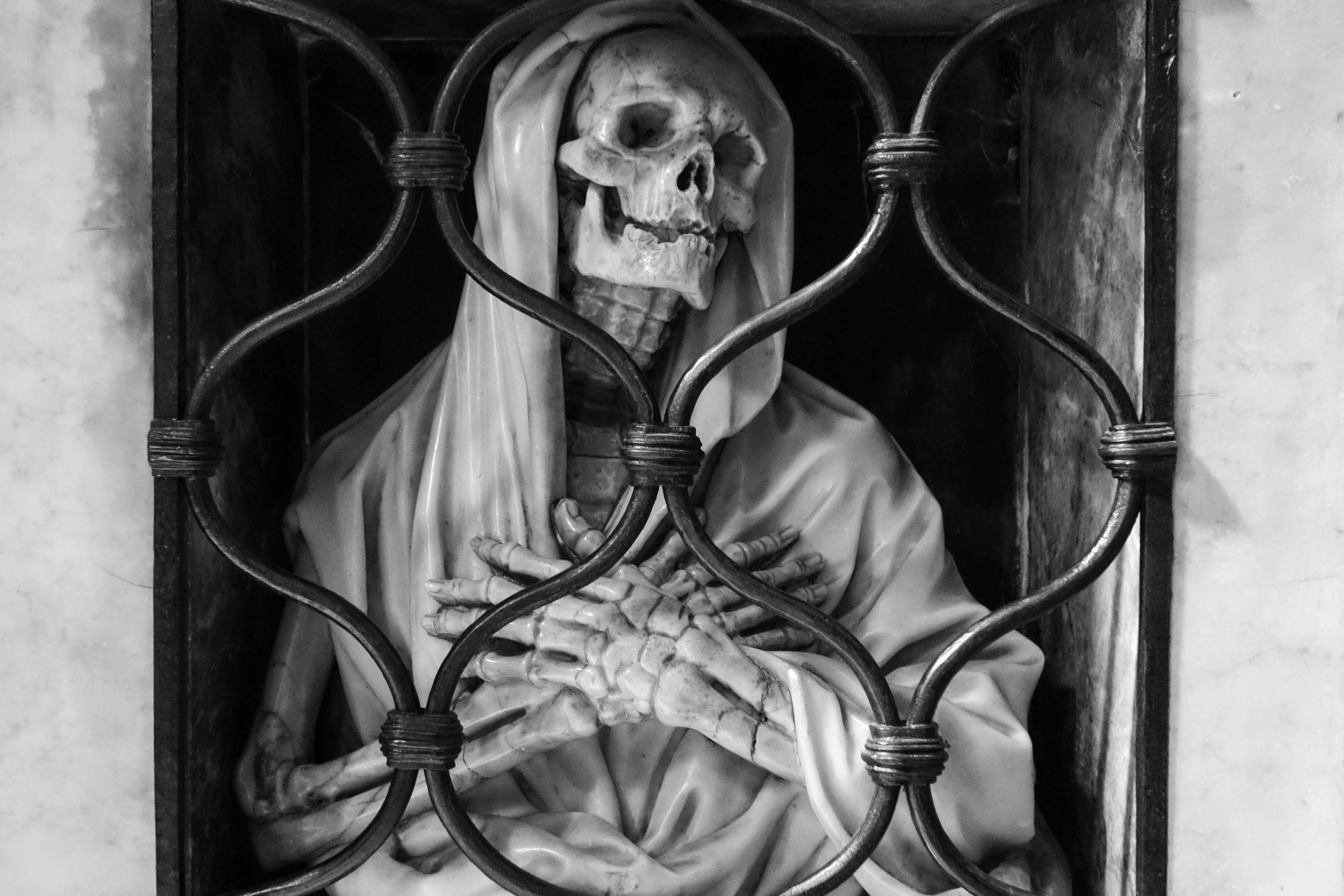
The (Really) Great Gig in the Sky: Atlas Obscura
Originally published on Atlas Obscura.
When someone told me I had to see the light show at Il Gesu, I thought they were out of their mind. A light show is something you see after hours at a planetarium with a bunch of stoned teenagers, not at the mother church of the Jesuit order in Rome. And yet every day at 5:30 a small crowd gathers to have their minds blown, albeit in a way that has nothing to do with Pink Floyd.
I recommend going on a rainy, overcast day like I did. When I walked in, I found the church barely lit. A pale yellow gloom dulled the gilded columns and hung like a cloud over the massive nave. In the right transept, the mummified arm of St. Francis Xavier went practically unnoticed. Everyone was focused on the altar in the left transept dedicated to the founder of the Jesuit order, St. Ignatius Loyola.
At exactly 5:30, spotlights hit the gold altar and a recorded version of Kyrie blared through the speakers. The light reflected off all of the gold was nearly blinding after I had adjusted to the late afternoon gloom.
This was the Counter-Reformation at its finest. When Protestant reformers stripped away what they saw as excess and idolatry, the Catholic Church doubled down on art and ritual. They employed the great artists, architects, and theatrical designers of Rome to translate religious concepts into stunning Baroque visuals like this one.
Over the course of the show, an Italian narrator took us through the life of St. Ignatius, although Andrea Pozzo, the designer of the transept (along with one hundred or so assistants) had already done the real work back in 1695. Thanks to him, you didn’t have to understand a word to comprehend the importance and piety of St. Ignatius. In the painting above the altar, Ignatius was shown kneeling before Jesus in heaven. Below the altar, his large bronze casket glowed in an amber light.
As the music segued from Kyrie to Gloria, the narrator explained that the Jesuits were missionaries who specialized in converting people in particularly dangerous and far-away places. This is how they earned the nickname “God’s marines.” However, the visuals revealed a more complete truth, at least to modern viewers. In the bottom part of the painting over the altar, an angel tended to four allegorical figures representing the four corners of the Earth: Asia, the Americas, Africa, and Europe. I bet you can guess which of those allegorical figures looked most like the angel.
Then an allegorical figure of Religion lit up. She brandished a cross like a vampire hunter and appeared to be shoving two poor guys named Heresy off the marble podium with her foot (Heresy happened to look an awful lot like Protestant reformers Martin Luther and Jan Huss).
It was then I realized sculptures of Jesuits always seem to be stepping on (allegorical) people. Just look at the façade of Il Gesu over the side doors, and you can see St. Ignatius stepping on Heresy and St. Francis Xavier stepping on Paganism. Or look at this statue of St. Ignatius from Sant’Ignazio down the street (picture below). Perhaps it's fitting: though Jesuits were known for learning the language and customs of the people they converted, they also did their share of trampling anything in their way—including indigenous culture.
These uncomfortable truths were completely upstaged by the final act in the show. As the music swelled and the lights dimmed, a Baroque piece of stage machinery designed by Pozzo lowered the painting into a hidden slot beneath the altar. When the spotlights turned back on, they revealed a gleaming, larger-than-life silver statue of St. Ignatius where the painting used to be. (Unfortunately the statue currently on display is a silver-leaf replica, since the solid-silver original was melted down to pay off Napoleon.) The gold-and-lapis niche combined with the statue’s bejeweled chasuble to complete the altar in a way the painting didn’t quite achieve.
I only had a moment to take the statue in when the ceiling overhead lit up and showed us St. Ignatius ascending into heaven in forced perspective. The fresco was painted on stucco and wood applied over the ceiling coffers, which gave the impression of St. Ignatius busting straight through. Then the entire ceiling illuminated, filling the space with light and letting the gold leaf on every surface shine. The effect was overwhelmingly beautiful and about as subtle as the Kool-Aid Man entering though the wall.
But that’s the Counter-Reformation for you. Although Andrea Pozzo could have never imagined the addition of LED lighting to his masterful trick transept, I think he’d be pleased with the effect. It beats the planetarium anyway.


A Makeover for LA's Patron Saint
Originally published on Atlas Obscura.
St. Vibiana is always on trend. No wonder she’s the patron saint of Los Angeles. She’s currently located in the crypt at Our Lady of the Angels Cathedral in downtown LA, a postmodern marvel of a church all decked out in alabaster. Her remains are concealed in a white marble casket tastefully engraved in gold, not too far from the resting place of movie star Gregory Peck. The shrine coordinates perfectly with the church's clean lines and minimalist aesthetic.
But she wasn’t always memorialized this way. Her time in the public eye began in 1853 when her tomb was excavated from the catacombs of San Sisto in Rome. Unlike many of the so-called “catacomb saints” who didn’t even have names, the inscription on Vibiana’s tomb gave her name, the day of her death (August 31), the symbolic laurel wreath of martyrdom, and indicated she was “innocent and pure.” Inside the tomb, her body and what was presumed to be a vessel of blood were found inside. Since early Christians collected as much of a martyr’s blood as possible, this was considered additional evidence that this young woman was a virgin-martyr from the third century and should be venerated as a saint.
The following year Bl. Pope Pius IX gave her relics — blood, tomb inscription, and body — to Thaddeus Amat, the newly appointed Bishop of Monterrey, California. So St. Vibiana set sail for America.
After a stop in Santa Barbara, she moved into the cathedral built for her in Los Angeles in 1880, where her relics were placed inside a wax effigy in a glass casket above the altar. If the church looks familiar, it was closely based on the Chapelle Saint Vincent de Paul that houses St. Vincent's relics in Paris.
In the 1970s she updated her look. The cathedral underwent a renovation and the wax effigy was abandoned for a more understated stone coffin. (For those who prefer the retro look, you can still see a contemporary catacomb saint in a wax effigy from 1892 at the Church of the Most Holy Redeemer in New York.) After the Northridge Earthquake in 1994 irreparably damaged the cathedral named and built for her, she was moved one last time to her current location downtown.
(First photo from USC Libraries at the old St. Vibiana Cathedral, second photo by me, third and fourth photos from Find A Grave, fifth photo from St. Vincent images.)
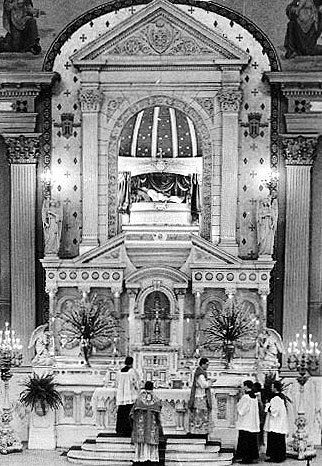

Beatrice Cenci: Martyr, Muse, Murderer: Atlas Obscura
Originally published on Atlas Obscura.
Beatrice Cenci haunts Rome. Though plenty of tour guides are eager to rehash stories of her headless body wandering the Sant’Angelo Bridge at night, she hardly needs that kind of carnival barking to get inside your head. Instead, you might see her name once, noting her unusual story. Then you notice her name again and again in every corner of the city. As her story unfolds, so does she, at every turn embodying a paradoxical feminine trope. She’s a damsel in distress, a brave heroine, a virgin sacrifice, and even a femme fatale all at once.
Beatrice was born in 1577. She lived in a large palazzo at the edge of the Jewish ghetto just off Via Arenula. Her father Francesco was a wealthy heir and full-time scoundrel who mostly used his huge fortune to buy his way out of prison. Everyone in Rome knew his reputation. He starved his servants until he was ordered by the papal courts to feed them. He took a mistress while married to his second wife, Lucrezia, then beat her until she performed sexual acts against her will (leading to a conviction for “unnatural vice”). Most appallingly, he confessed to molesting young boys in three separate court cases. But while others were burnt alive for less, he always escaped with more fines and a few months in jail.
While Francesco was paying off the justice system (such as it was), his children were doing their best to get away from him since he always seemed to have enough money for fines, but never enough to feed and clothe them. His son Giacomo disowned him and left. Cristoforo and Rocco, heirs to their father’s temper, were killed in duels. Antonina, Beatrice’s older sister, successfully petitioned the pope and asked him for permission to either marry without Francesco’s consent or join a convent to escape him. The pope consented to her marriage and stuck her father with a hefty dowry.
Francesco was (as usual) enraged. His fines had already begun to outstrip his inheritance and now he had Antonina’s dowry to deal with. His creditors’ harassment (as well as his newly acquired case of scabies) put him in a foul mood. There was no way he could let Beatrice pull the same trick as Antonina, so he moved his wife, Beatrice, and his youngest son Bernardo to one of his remote country estates in the mountains.
There he imprisoned Beatrice and her stepmother Lucrezia in a sealed-up suite. Far removed from their nosey neighbors in Rome, Francesco’s depravity intensified. He insisted Beatrice and Lucrezia both sleep in the same bed with him. He began forcing Beatrice to scrape the scabies on his body from head to toe. Beatrice wrote desperate letters to her bother Giacomo, but Francesco only whipped her when he found them. Beatrice began plotting his death.
The estate had two servants who served as her hitmen, one whom Beatrice bribed and the other whom she seduced. On the night of the murder she gave Francesco opiate-laced wine then instructed the two servants to smash his head in, throw him off the balcony and make it look like the railing gave way. Francesco died that night but the murder was hurried and the cover-up amateurish. Investigators were quick to notice that a man who dies on his balcony usually doesn’t bleed out in bed first.
The Cenci family — Giacomo, Lucrezia, Beatrice, and even young Bernardo — were immediately implicated and imprisoned. The servant Beatrice bribed tried to skip town but was hunted down and killed by a cousin of the Cencis. The servant she seduced was imprisoned with the family. Given his low rank, he was the first to be tortured to death though he never confessed that Beatrice was the mastermind behind the murder.
When the Cencis all pled innocent despite evidence to the contrary, Pope Clement VIII authorized the torture of the entire family. Each confessed on the rack. They were all sentenced to die, with the exception of 13-year-old Bernardo, who was sentenced to watch their deaths then live as a galley slave.
The gallows were raised in front of the Castel Sant'Angelo, and a massive crowd gathered on September 11, 1599 to watch what most considered a terrible miscarriage of justice. How could the papal courts allow Francesco’s crimes to slide, only to punish Beatrice when she tried to protect herself from further abuse? Some thought it was because Pope Clement was eager to snap up the remains of the Cenci fortune, though Pope Clement maintained that he simply couldn’t set a precedent for pardoning patricide.
The morning of their executions, the Cencis were driven in carts down Via di Montserrato accompanied by members of the Brotherhood of St. John the Decapitated, a confraternity dedicated to caring for the condemned. Today you can still see a plaque dedicated to Beatrice at 42 Via di Montserrato.
Lucrezia was the first to die. She fainted on the chopping block before the sword severed her neck. Beatrice was the second, praised for her dignity and composure on the block. Finally, Giacomo suffered the worst fate due to his sex. His head was smashed with a mace then his body was drawn and quartered, a punishment too immodest even for a condemned woman.
There are still relics of that day on display at the Museo Criminologico in Rome: the “sword of justice” that killed Lucrezia and Beatrice, the clothes and insignia of the confraternity that accompanied them (featuring the severed head of St. John the Baptist), and a little diorama depicting a stripped man being drawn and quartered like Giacomo.
According to tradition, Beatrice’s body was buried in the church of San Pietro in Montorio, though her grave marker was allegedly destroyed by French troops in 1789. She experienced something of a resurrection in the 19th century. Mary and Percy Bysshe Shelley heard her story while on holiday in Italy, and Percy was moved to write a play based on her life. Subsequently, Beatrice appeared in works by Alexandre Dumas, Nathaniel Hawthorne, and Stendhal. She then trickled down to Antonin Artaud (who fittingly reserved the part of her father for himself), and even David Lynch (who inserted her portrait into Mulholland Drive).
If you want to see the image of her that continues to haunt artistic imaginations, head to the Galleria Borghese. There you’ll find a portrait by Guido Reni. Painted about a year after her death, it’s portrays Beatrice the day before her execution dressed as a Sibyl, her eyes still damp from crying.
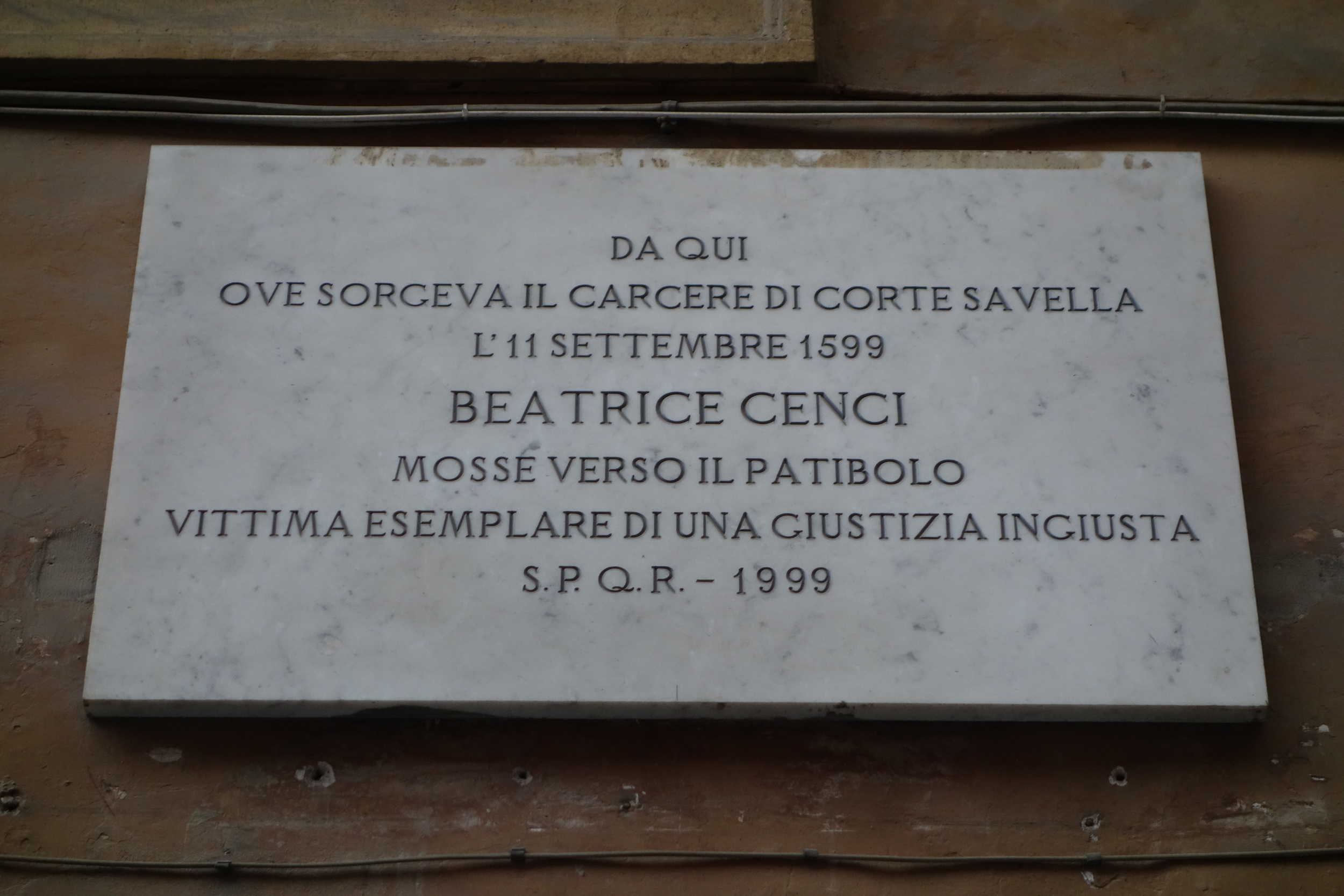
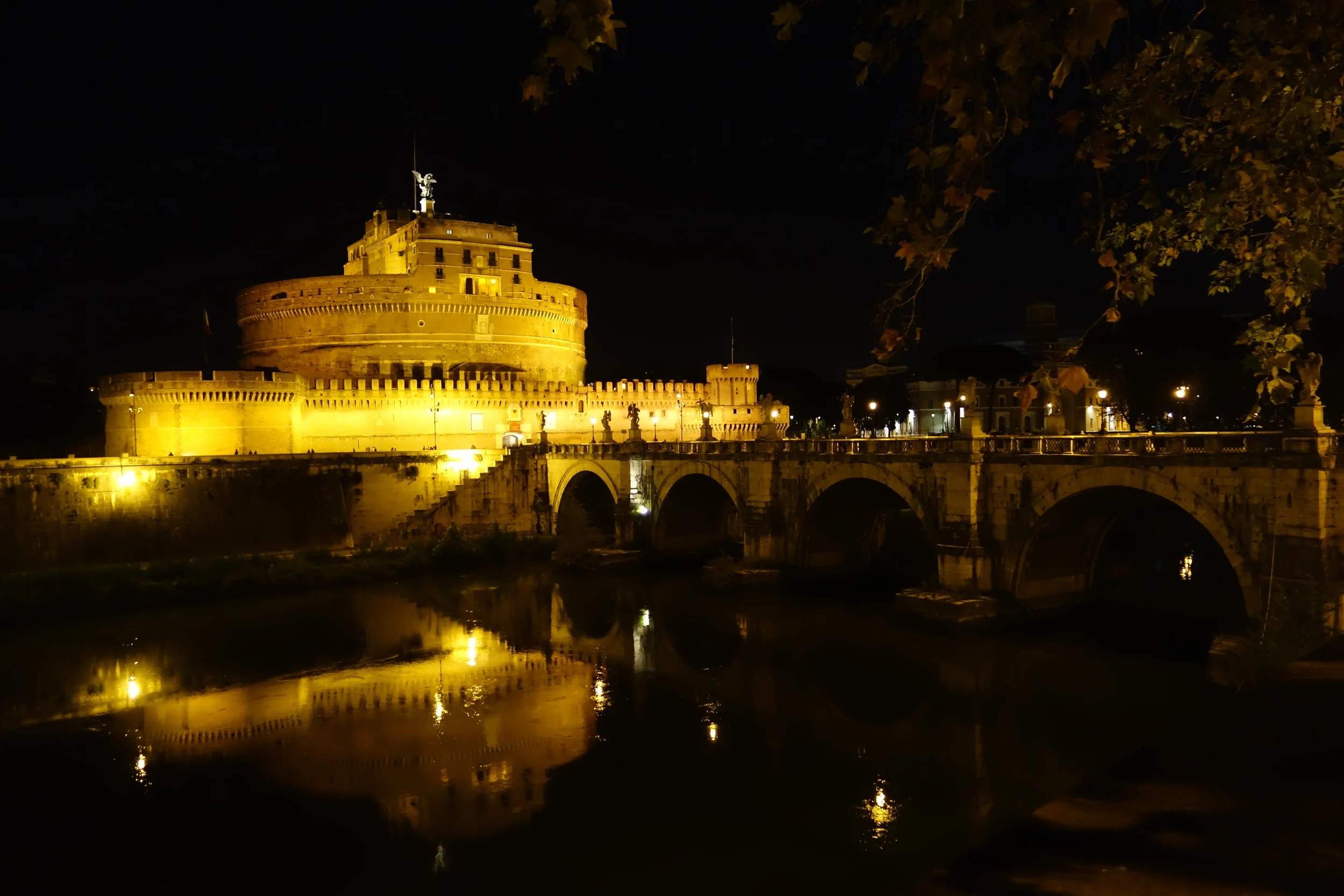
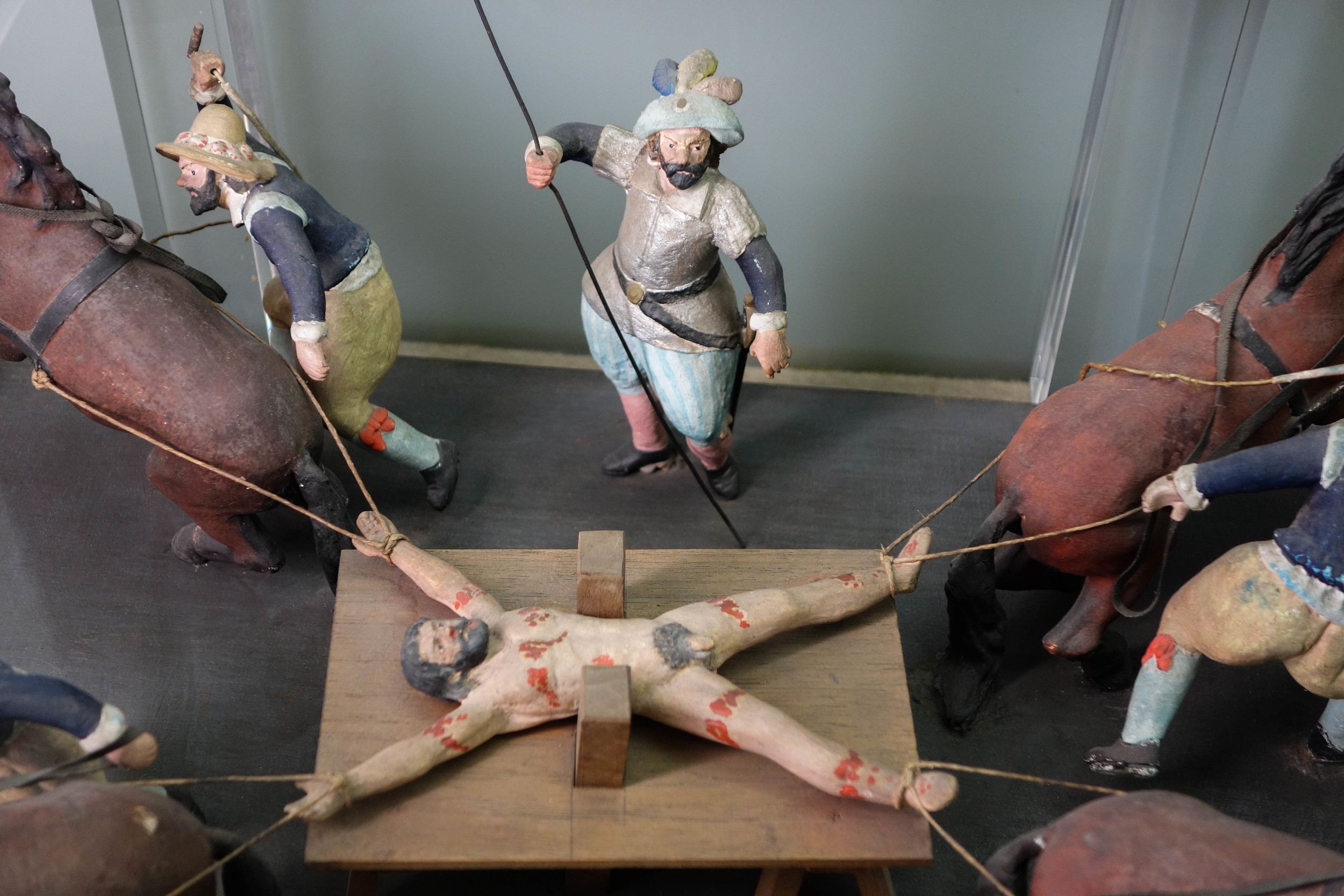


The Oracles of Rome: Two Architectural Oddities Predict the Apocalypse: Atlas Obscura
Originally published on Atlas Obscura.
The Basilica of St. Paul Outside the Walls in Rome has seen its share of destruction. Since 340, it’s been struck by lightning, damaged in an earthquake, accidentally burnt to the ground, and sacked by pirates. It seems nothing shy of the apocalypse will keep this church down. But according to local legend, the four horsemen might be riding in sooner rather than later. The collection of papal portraits here are linked to the end of the world.The Basilica of St. Paul Outside the Walls in Rome has seen its share of destruction. Since 340, it’s been struck by lightning, damaged in an earthquake, accidentally burnt to the ground, and sacked by pirates. It seems nothing shy of the apocalypse will keep this church down. But according to local legend, the four horsemen might be riding in sooner rather than later. The collection of papal portraits here are linked to the end of the world.
Every pope is depicted in a large mosaic installed in a niche around the perimeter of the church. They're all exactly the same size and neatly laid out in a single-file line under the windows. The only problem is, there’s a finite number of niches. A second row would certainly throw the aesthetic off so the legend says that when the niches run out, the world ends.
Even though the tradition of the portraits was started by Pope St. Leo the Great in the 5th century, the niches and the legend are newer than you might expect. At first, the portraits were frescos. They were only added sporadically, frequently falling behind the times, until 1823 when a fire ravaged the building. During the rebuilding of the basilica, Pope Pius IX ordered the portraits to be reinstated and brought up to date, this time using mosaics. If a pope’s likeness wasn’t well-documented, artist Filippo Agricola arbitrarily assigned him a face (so even the most devout Catholics won't recognize a few). The project was completed in 1875, and since then the mosaics have been added pope-by-pope.
Since popes typically die in office, a sign indicating the death of a pope might help you gauge your concern about the end of the world. At the Lanteran, a cenotaph to Pope Sylvester II is said to sweat when the death of a pope is imminent. There were plenty of people keeping an eye on it near the end of Pope St. John Paul II’s life, but no word on how it will react with one current pope and one retired.
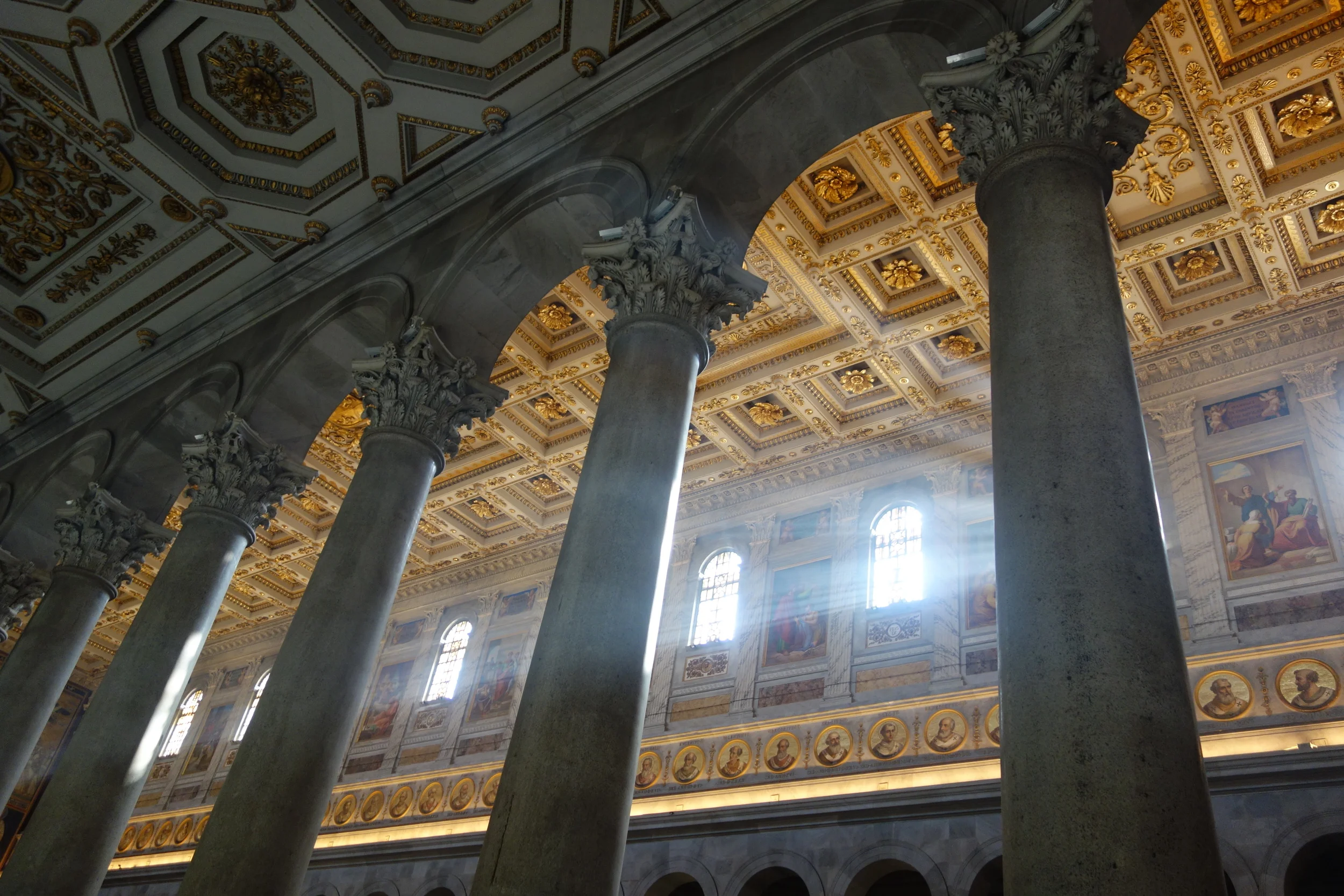
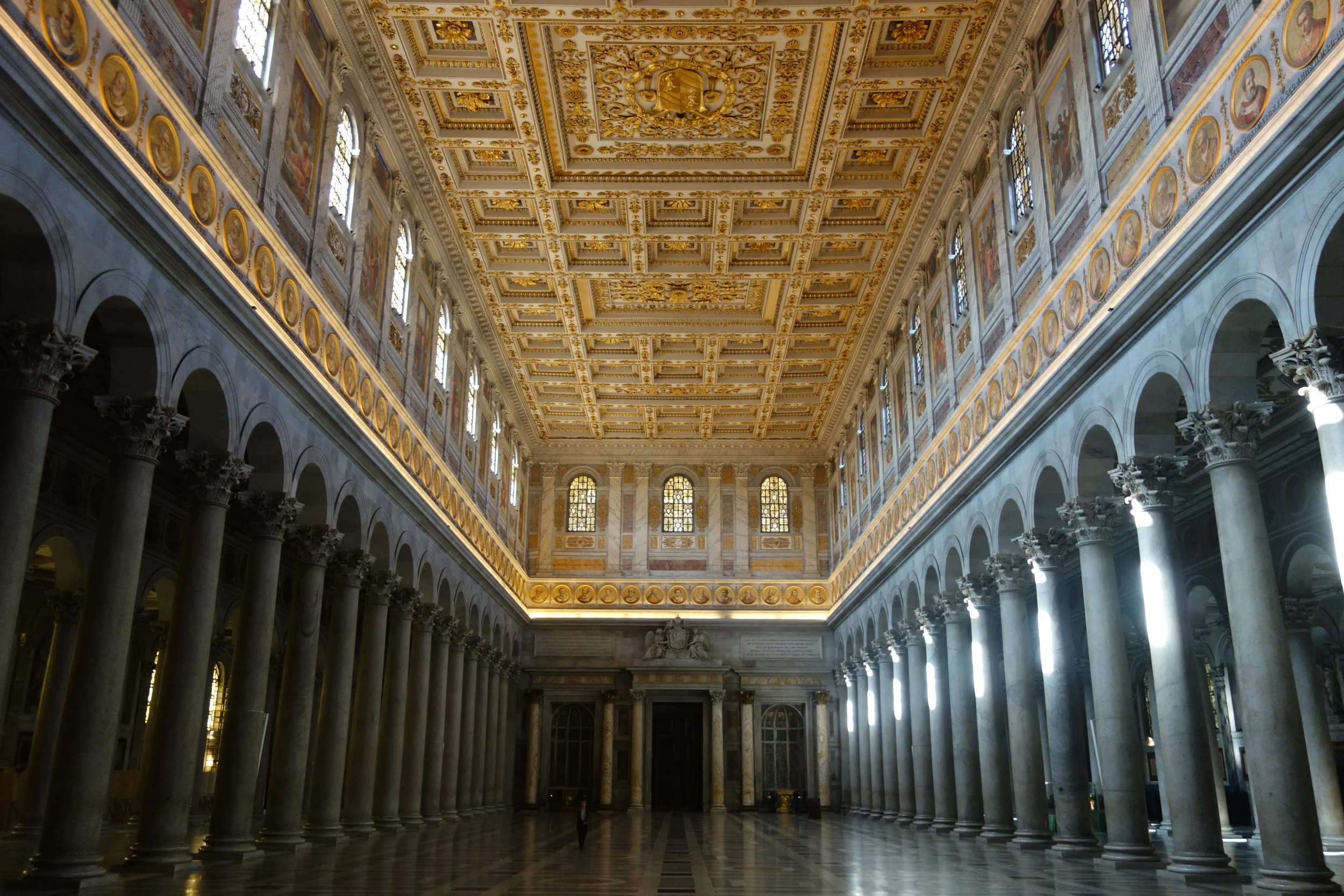
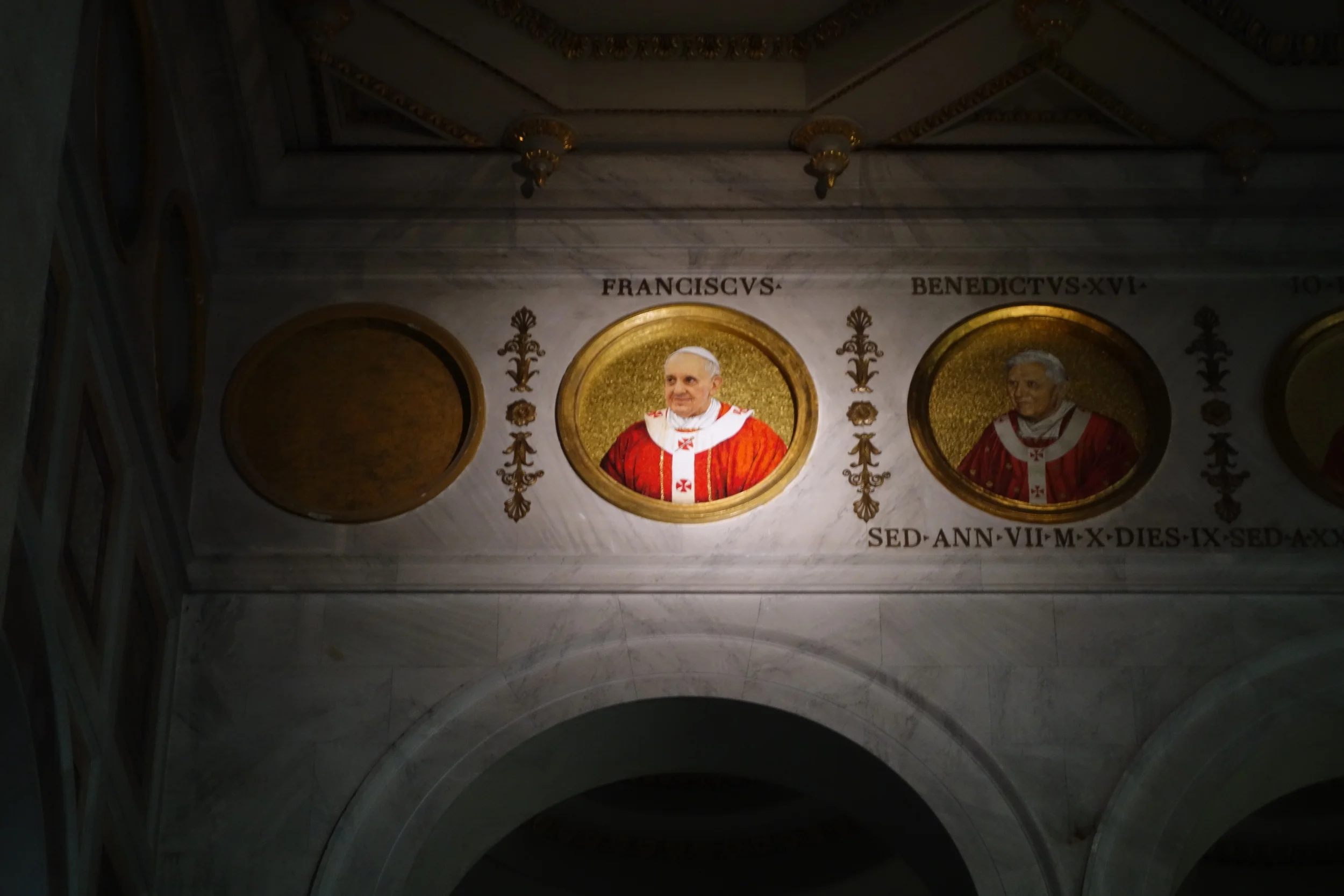
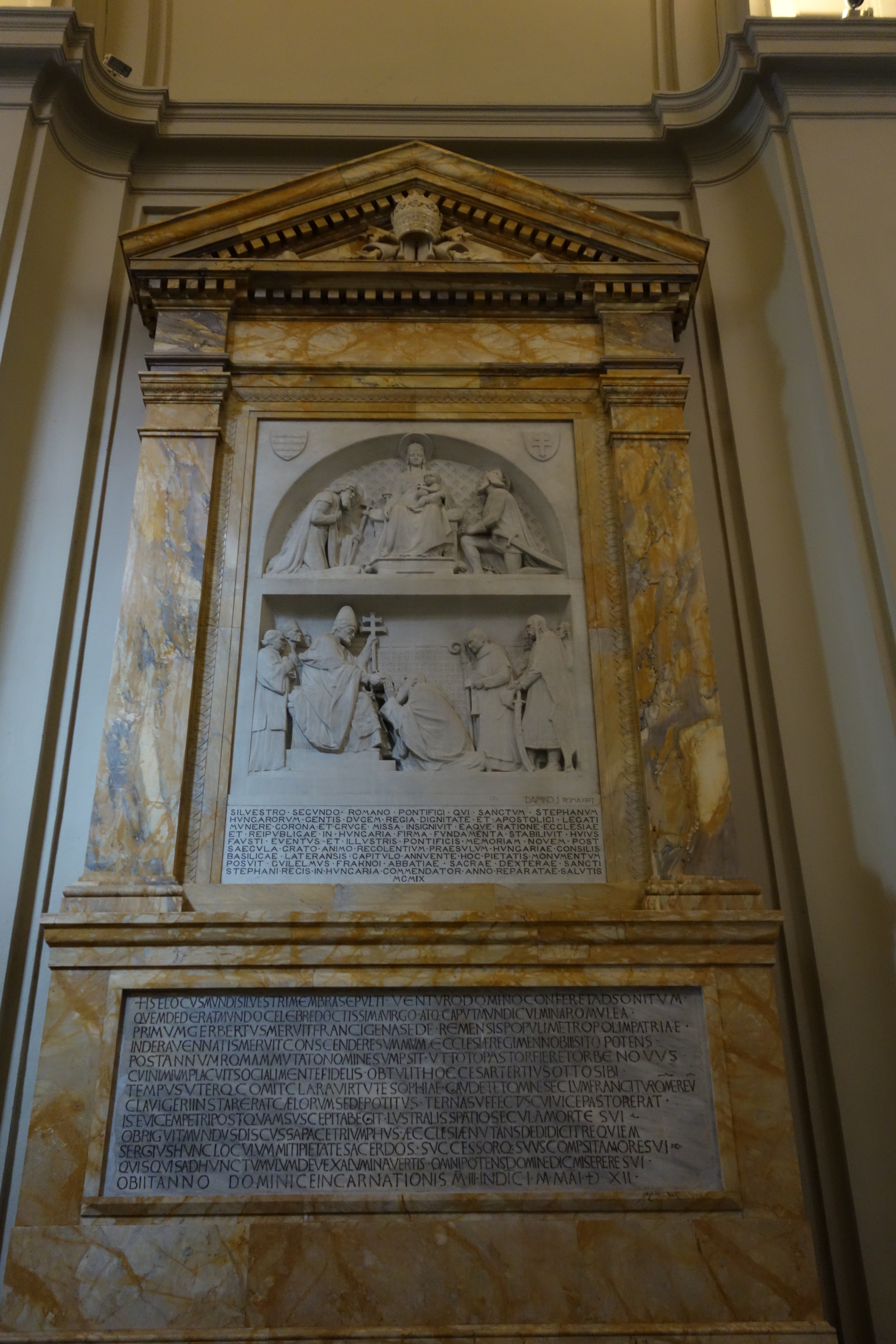
The Days of the Dead: A Dispatch from Rome
Originally published on the Morbid Anatomy Museum blog.
Halloween in Rome is a quiet night even when it falls on an unusually warm Saturday like it did this year. A handful of kids trick-or-treated at the shops around the Campo de’ Fiori dressed as some pastiche of a corpse, a vampire or a witch and the study abroad students drank in the same bars they always do, but this time with light-up devil horns or a cape. I took a midnight stroll to the Ponte Sant’Angelo to see if the ghosts of any criminals that were executed there from the 12th to 19th century felt like celebrating, but it seemed they had no use for an imported American holiday. I wasn’t really disappointed though because on November 1st, as Americans woke to stare Christmas in its gaping maw, Italy began a two-day Catholic holiday devoted to remembering the dead.
November first was All Saints’ Day, a day devoted to the holy dead—the saints and martyrs in heaven. This is a holy day of obligation, meaning practicing Catholics are obligated to attend mass, so a lot of shops and restaurants were closed. But one of my favorite bakeries was open so I stopped and bought some almond cookies made especially for the holiday called “beans of the dead”.
Beans in Italy have a long and curious history as a food that harbors symbols of both life and death, in the form of supposed dead souls trapped in the bean and in the way beans swell with life like pregnant women. Beans, beans, the paradoxical fruit… Writers Sarah Troop and Colin Dickey have both written fascinating pieces about them and you should absolutely read both of their pieces.Fortified by my bean-cookies and a double espresso (the Italian breakfast of champions) I set out on a walk through the city until I got to the Campo Verano cemetery, just outside of the Aurelian walls that surround the historic center of Rome. This is where Pope Francis was saying mass today. The cemetery was dressed for the occasion—relatives had spruced up graves with pots of mums and votive candles.
A growing crowd trickled in and I figured I would try to find a decent place to stand on the outskirts and maybe I could catch a glimpse of the pope. I was unsuccessful. Instead, I got caught in a group of gung-ho nuns who were going to see il Papa come hell or high water (though either scenario seemed unlikely). When Vatican security officers began letting a few people into the gated seating area, it became clear I had two options: go with the flow or die in a nun stampede.
I chose to live and wound up with a great seat for the papal mass. The sun set as incense wound around the tombs and I was thankful to survive… for another day anyway.
That night, I chatted with a friend who jokingly said that the only way a papal mass in a cemetery could be more “me” is if they dug up the graves and sat the corpses around me. I replied in all seriousness, “No, that’s tomorrow night.”
The day after All Saints’ Day is All Souls’ Day, a holiday devoted to all the other Catholic dead—the regular Joes and Giuseppes who might be in heaven or who could be working their way though the fires of Purgatory where souls are purged of sin before being admitted to heaven. This holiday is somewhat less important in the eyes of the Church, but what it lacks in official holy obligations, it makes up for in popular devotion.
Around 4pm, as the starlings began their ritual of ominously swarming overhead, I went to Holy Mary of Prayer and Death, an oratory on Via Giulia that you can’t miss thanks to the huge, laughing skulls and skeletons that decorate the façade year-round. Any other time, you’re likely to find the doors locked but today, a nun kept a side door open and welcomed people inside. Drop a few coins in her basket and she’ll be your own personal Charon who takes you to the land of the dead. She escorted me down a narrow hallway lined with tombstones to what remains of the oratory’s crypt and cemetery.
The previous day’s cemetery had the pomp and formality you would expect from a papal mass. The elegant, 19th century tombs were built when Napoleon issued his public health codes which mandated that burials take place outside the city walls, under sanitary, modern conditions. These laws were put into place to obliterate macabre little ad hoc crypts like this one. Here, vertebrae were made into rickety electric chandeliers. Skulls were mounted on the wall to form a cross, or stacked in cabinets or piled onto the altar. A stray ribcage slumped in a corner. I recognized him from a previous visit, when he used to have a skull and had been propped up on a rod like a human pogo stick. Time keeps on slippin’, I suppose.
I’ve done a bit of research on this oratory so I decided to offer a little context to a group of confused and slightly unsettled folks from Boston who came down. They had just been walking down the street and came in because the nice nun told them to. I explained that this confraternity used to walk out to the countryside to collect the bodies of dead migrant workers from the fields. They gave them a Catholic burial in the crypt here, but a Catholic burial doesn’t actually require you to stay buried. So the bodies were eventually dug up and used as decoration or better yet, as actors in the theatrical scenes the confraternity staged for All Souls’ Day in the 18th and 19th centuries. If you want my full tour, you can read this previous guest blog I wrote which includes old photos of what the crypt looked like in its heyday.
The nun on door-duty seemed to enjoy my little tour because she sent a few more people to talk to me and by this time I was leaning into my fantasy job as Italian crypt-docent. (Please let me know if you hear of an opening in this field.) I would’ve stayed but I looked at the time and realized I had to run. There was no way I was going to be late for my next visit.
I hoofed it over to St. John Calibyte on Tiber Island for a very special once-a-year treat. On the night of November 2nd, and only then, you can join a candle-lit procession for the dead and see the Sacconi Rossi crypt.
The Sacconi Rossi were a confraternity similar to the one at Holy Mary of Prayer and Death, but they worked inside the city limits, picking up the bodies of people who died on the streets and fishing poor souls out of the Tiber. They offered these bodies a similar type of temporary burial followed by an eternity as crypt decoration.
Sacconi Rossi is a nickname and it literally means “red sacks” because they wore bright red robes. Their official name is “Devotees of the Brotherhood of Jesus Crucified at Calvary and Holy Mary of Sorrows” so you can see why they needed a nickname. They don’t really exist as an organization anymore but every year for All Souls’ Day, people from the parish of Santa Maria dell’Orto don the red sacks and honor the unknown and forgotten dead. After a mass, the priest and the red-robed parishioners led a candlelit procession down to the banks of the Tiber. There, the priest threw a wreath of white flowers into the river to honor all the unknown people who died. Then the procession went back up to the piazza were the crypt was unlocked for its annual blessing and visit.
In this crypt, the bodies were so old that the smaller bones had all crumbled into dust. What remained was mostly toothless, jawless skulls stacked on tibae and femora. The only whole-ish skeleton was missing his feet and wore the red robe of the confraternity. He was splayed out on the ground between two pews, inviting everyone to take a seat and ponder him. As David Sedaris says in his essay, Memento Mori, “The skeleton has a much more limited vocabulary, and says only one thing: ‘You are going to die.”
A cloud of incense filled the crowded rooms of the Sacconi Rossi crypt and dozens more red votive candles burned as the priest sprinkled holy water on the bones. A few people joked under their breath that it was so hot that it was a shame that only the dead were getting sprinkled. But that’s the way it is. This is their day. Every other day is for the living.
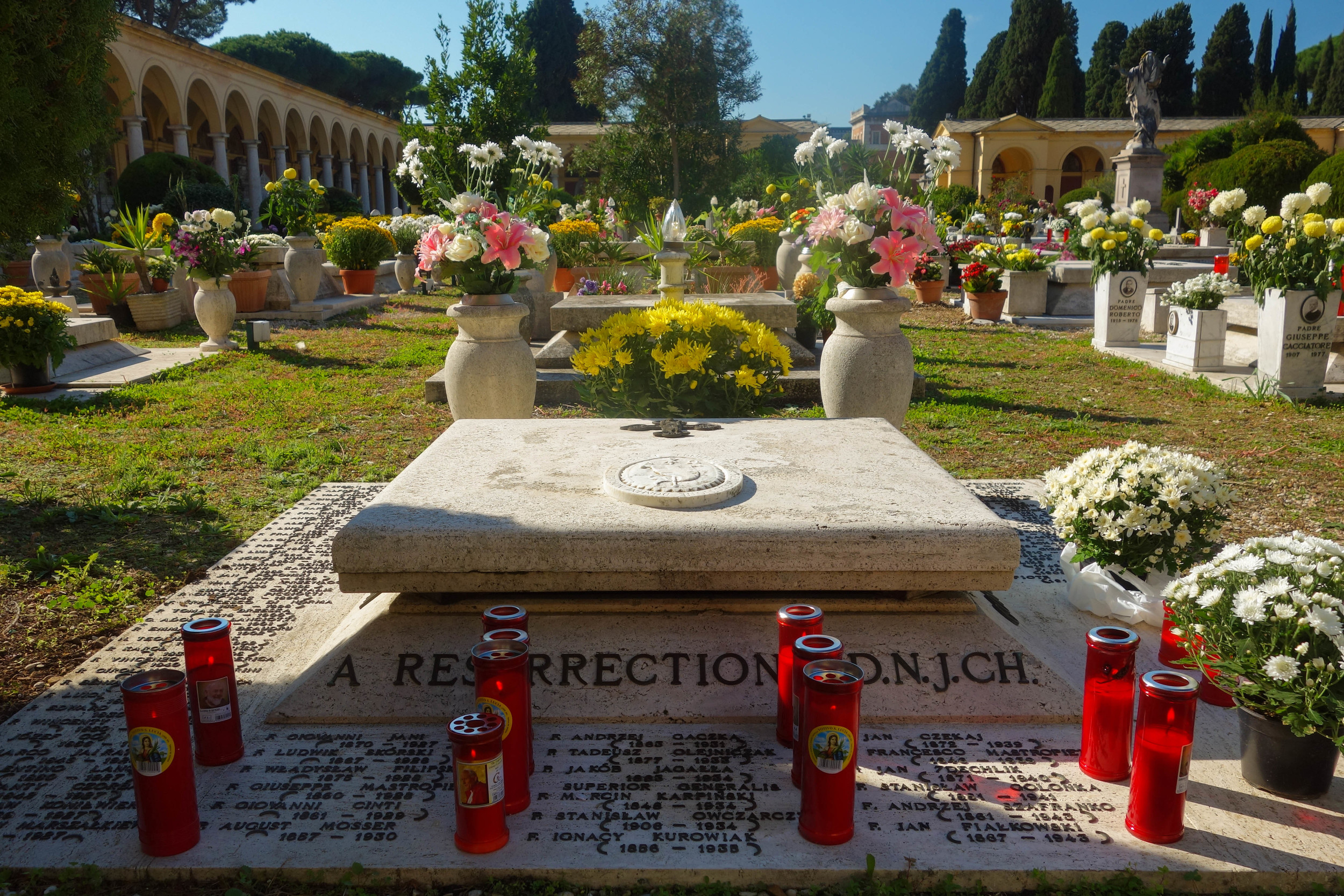
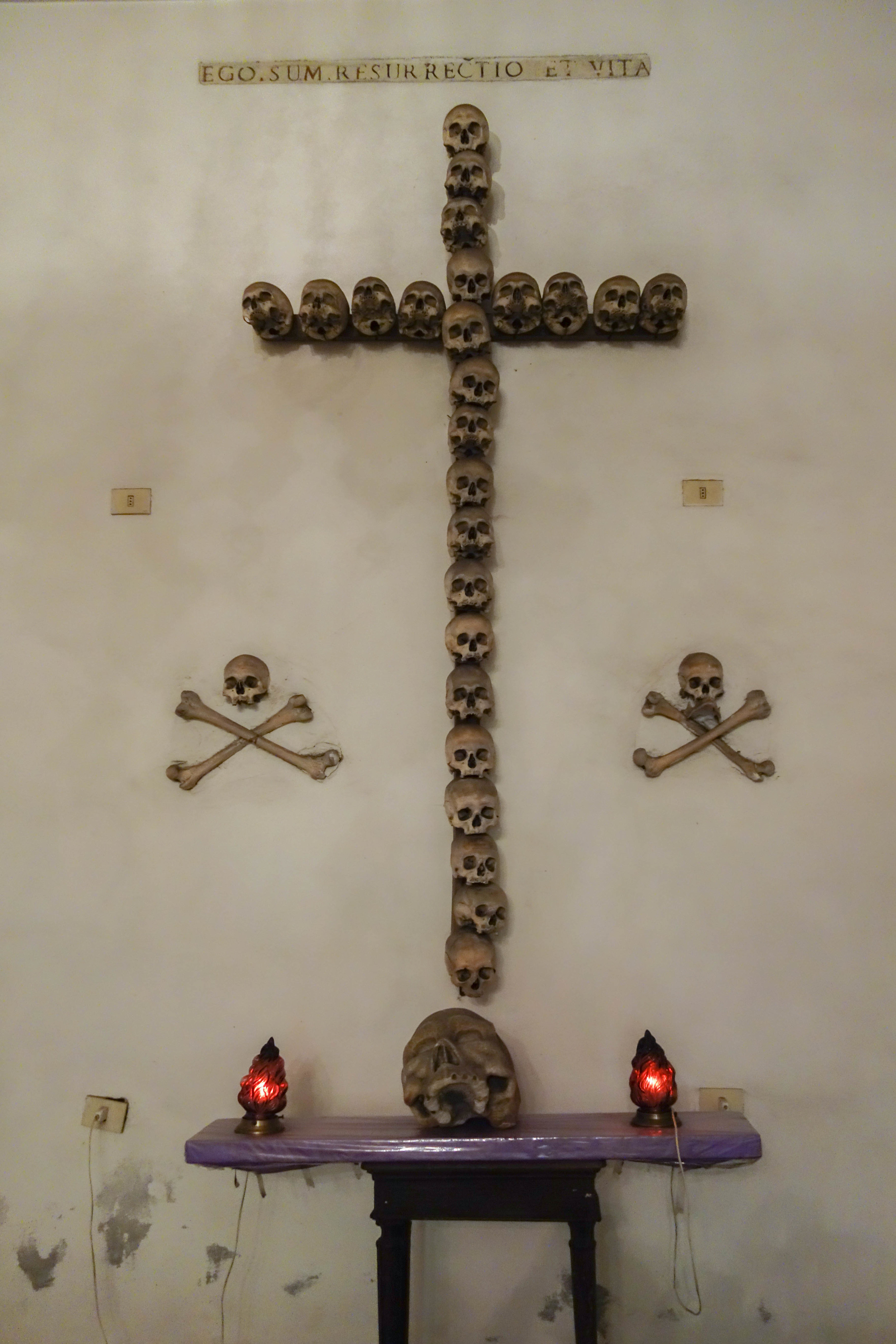
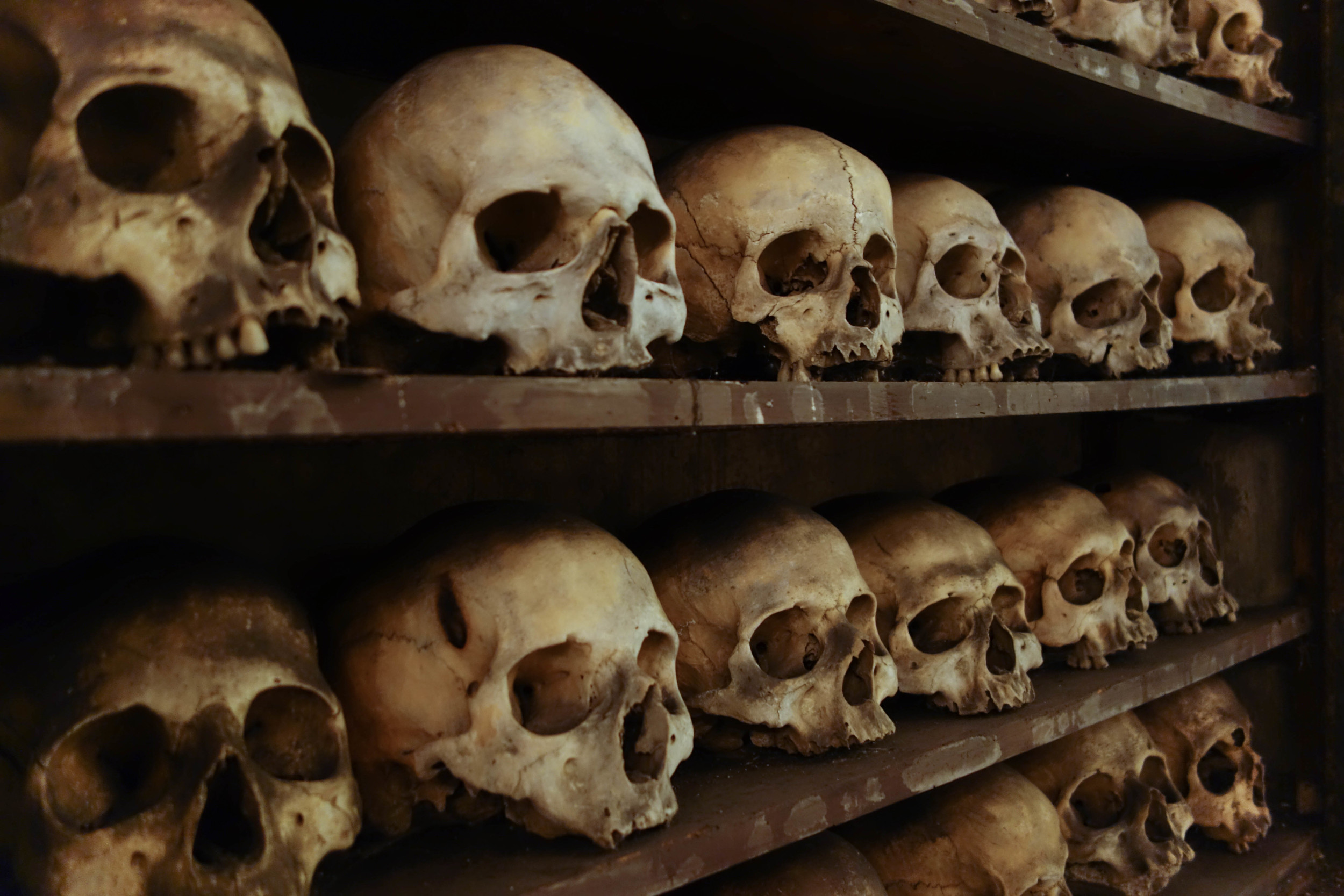
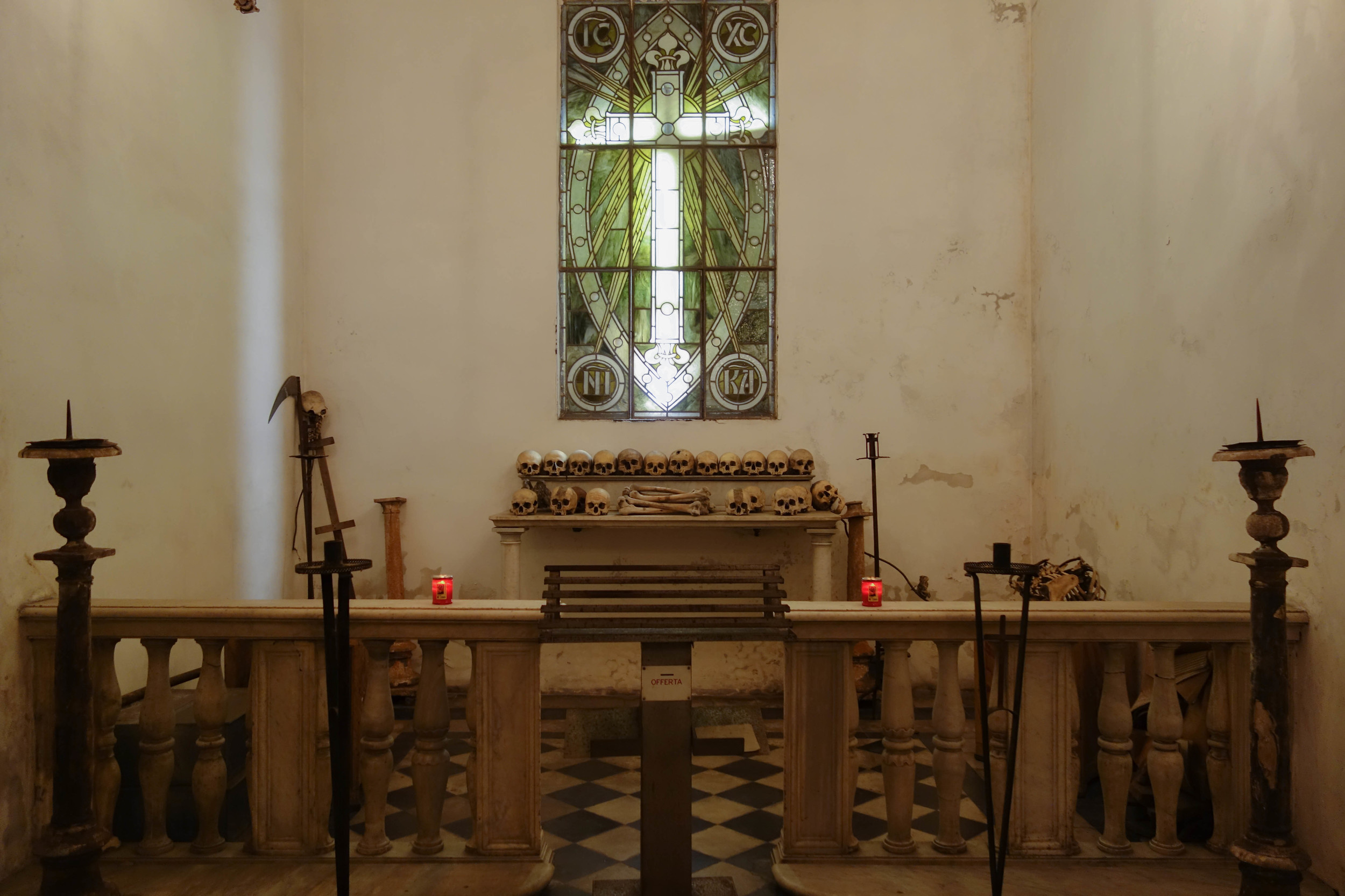
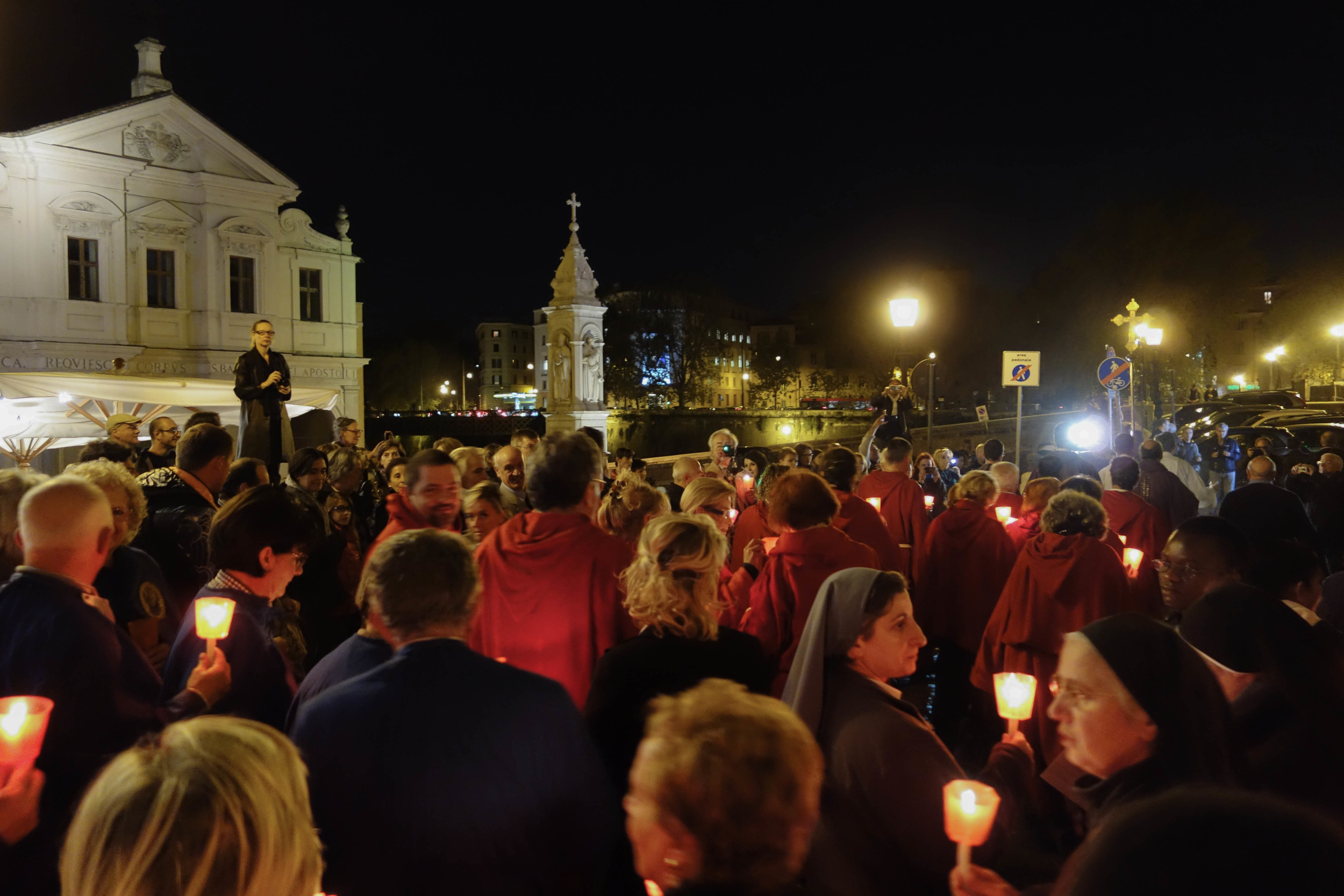
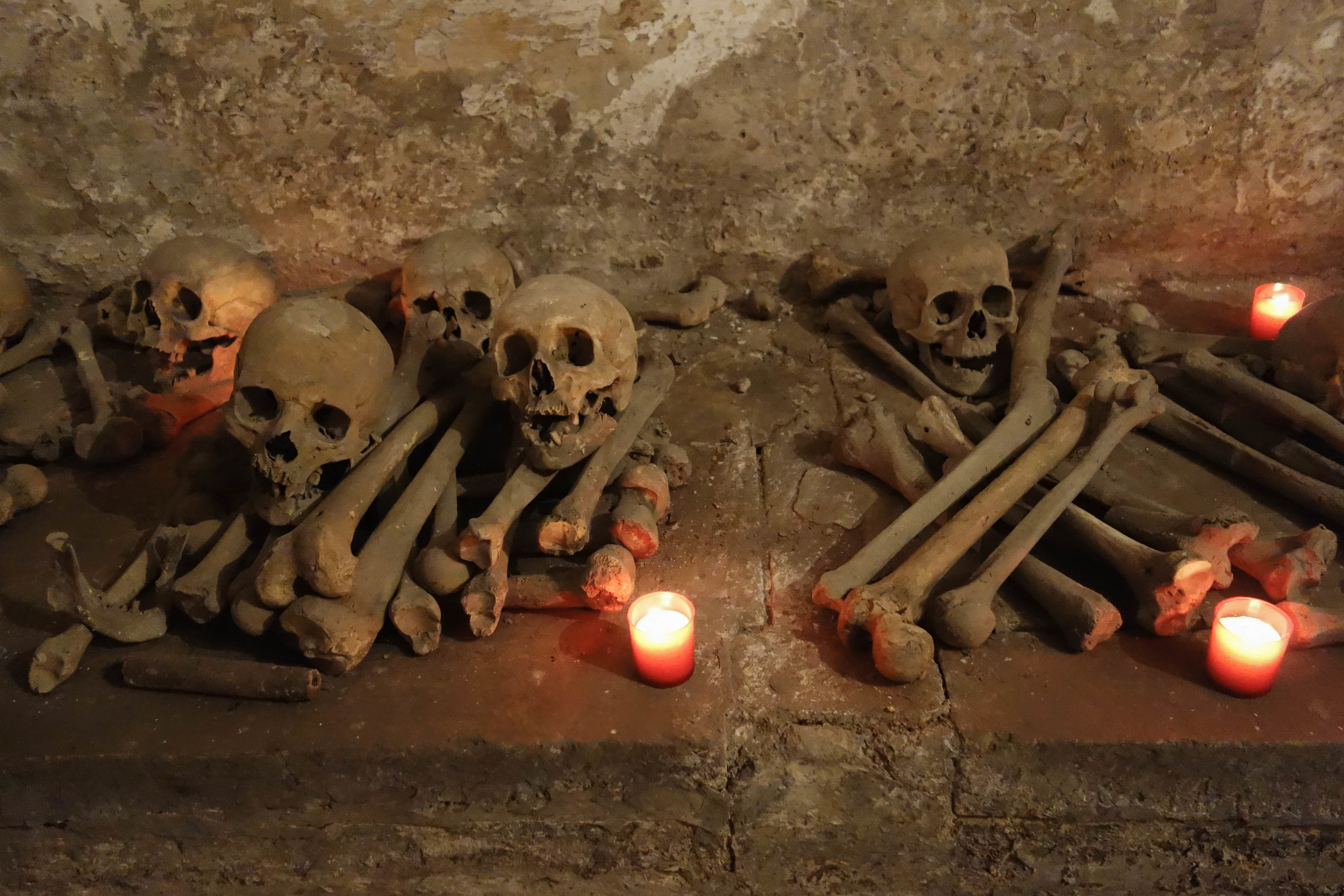


The Cadaver Synod or That Time We Put a Corpse on Trial: Atlas Obscura
Originally published on Atlas Obscura.
Roman churches usually aren’t shy about their macabre histories. At Santa Maria dell’Orazione e Morte a nun will be happy to let you photograph their crypt of abandoned bodies in exchange for a small donation. At Santa Prassede a sacristan will give you a pamphlet and helpfully point out the well where St. Praxedis and St. Pudentiana poured the blood that seeped out of the three thousand bodies of martyrs they were hiding. At the famous Capuchin crypt you can even buy postcards of the mummified monks to send to dear friends or enemies.
But if you go to the Basilica San Giovanni Laterano looking for such morbid attractions, you’ll find you’re on your own. What happened there over one thousand years ago is still too horrible to speak of. This is the church where Pope Stephen VI put the rotting corpse of Pope Formosus on trial in January of 897.
The trial was called the Cadaver Synod or Synodus Horrenda (since everything is more colorful in Latin). It ushered in one of the most corrupt eras in the history of the papacy, a time that’s now referred to in all seriousness as the pornocracy.
To understand what happened to Pope Formosus’s unfortunate corpse, you have to understand that the world around him was falling apart. The western empire Charlemagne had united had since crumbled away into smaller and smaller factions. Little fiefdoms were eyeing Rome’s treasures and demanding protection money while the city was still smarting from the Saracen sack of 846. Rifts formed within the church as the men who aspired to be pope found they needed the additional strength of one of the many secular leaders to achieve it.
The story of the corpse trial actually starts during the reign of Pope John VIII. At this time, Formosus was bishop of Porto (the Roman suburb, not the city in Portugal). He was also a successful missionary, known for spreading Catholicism throughout the Bulgar kingdom. But he might have been a little too good at his job. Pope John VIII turned on Formosus and accused him of violating a law that prevented bishops from ruling over more than one place at a time — a law that was supposed to prevent bishops from building up their own little fiefdoms. And perhaps more tellingly, John accused Formosus of violating a recently passed law that forbid openly aspiring to the papacy. Formosus was getting a little too close for comfort, so John had him excommunicated.
As it turned out, John’s paranoia was justified. He was the first pope to be murdered by his own people. At first he was poisoned, but the poisoner lost patience waiting for the potion to take effect and bashed John’s head in with a hammer. After John’s death the papacy had such a high turnover rate, it’s a wonder anyone wanted the job at all. Marinus I succeed John and re-instated Formosus as bishop. The following year Pope St. Adrian III succeeded Marinus, but barely lasted a year before being assassinated himself. Pope Stephen V followed shortly thereafter.
Finally in 891, it was Formosus’ turn. He managed to hold on to the papacy for five turbulent years before dying of a stroke. His successor, Boniface VI, was elected quickly to squelch riots, but he was an odd choice — he had been defrocked twice for “immoral conduct.” He only ruled for 15 days before he died of either gout or poisoning (again).
Next up was Pope Stephen VI. Less than a year into his papacy, he gave the order to dig up Formosus and force his corpse to stand trial for crimes Pope John VIII had excommunicated him for: seeking the papacy and ruling over more than one place a time as bishop.
Now Stephen VI’s reason for desecrating this poor corpse could have been to shore up some political alliances with a faction that hated Formosus, but more than likely it was to cover for the fact that Stephen was guilty of the exact same things he was accusing Formosus of. Formosus had made Stephen bishop, and Stephen had become bishop of Rome (a title that comes with the papacy) while he still held that post. But if Formosus could be found guilty of that same crime (being a simultaneous bishop of two places), his actions would be null and Stephen wouldn’t have been a bishop when he was elected pope. Stephen also might have been completely insane.
So the corpse of Formosus was dragged out, dressed in papal robes, and propped up in a chair at San Giovanni Laterano. Ironically, poor Formosus’s name means “good looking” though by then he was a horrific sight. A deacon was appointed to speak for him, but predictably didn’t say much while Stephen screamed at the corpse. At one point in the trial an earthquake shook the basilica, damaging part of it. But even in the face of this ominous sign, Formosus was found guilty on all counts, stripped of his vestments, and had the three fingers he used for blessing on his right hand chopped off.
Stephen had him buried on an obscure plot of land, but then, thinking better of it, had him dug up one more time and tossed in the Tiber. At this point the people of Rome had just about enough of Stephen and his corpse trial. A mob threw him in prison where he was strangled in his cell. Later that year, San Giovanni Laterano was nearly destroyed by a fire as if to rid itself of the whole nasty business.
The next pope, Pope Romanus, annulled all the actions of Stephen VI, but was overthrown in less than a year. His successor, Pope Theodore II, was only pope for 20 days, yet managed to recover the body of Formosus. His successor, John IX oversaw Formosus’s reburial in St. Peter’s Cathedral. Today, there is still a monument that lists the names of popes buried there. There, you can see Formosus’ name carved in stone- one of the last vestiges of the Cadaver Synod.
Painting: Jean-Paul Laurens, "Pope Formosus and Stephen VI - The Cadaver Synod" (1870) (via Musée des Beaux-Arts de Nantes)

Sources:
The Bad Popes, E.R. Chamberlin
Keepers of the Keys of Heaven: A History of the Papacy, Roger Collin
The Ring and the Book, Robert Browning

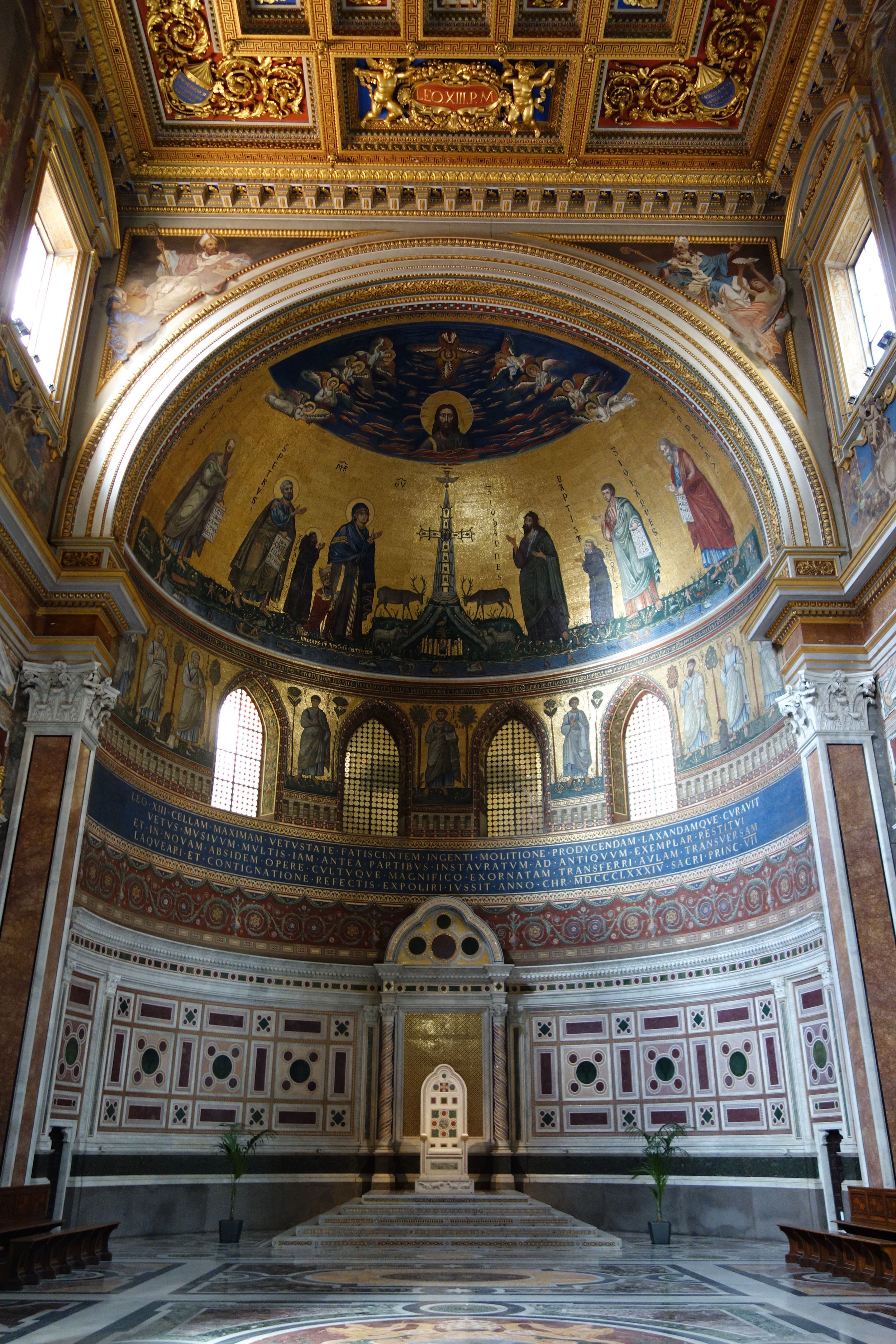
Corpse Theatre
Originally published on the Morbid Anatomy Museum blog.
There’s a building that’s hard to overlook on via Giulia in Rome. It’s the one with laughing skulls over the door.
On a marble plaque at eye level, a winged skeleton holds a spent hourglass over a fresh cadaver. The plaque reads “Alms to the poor dead, which they get in the countryside.”
“They” is La Confraternita dell'Orazione e Morte, or the Confraternity of Prayer and Death. They were a group of Catholic laymen who buried Rome’s indigent dead and this building was their oratory.
Burying the dead is a particularly important Catholic ritual because burial is linked to the concept of purgatory. Purgatory is a place where heaven-bound souls undergo a final purification before entering heaven, but in Catholic imagery it can easily be mistaken for hell. Fire surrounds writhing nude bodies. This fire is supposed to cleanse the souls just like the grave eventually cleanses bones of rotting flesh. Appropriate, since sin and flesh are often inextricable, like in St. Paul’s letter to the Galatians where he calls everything from drunkenness to sorcery a “sin of the flesh”. After purgatory, when sin and flesh are gone for good, the clean, white bones are considered at peace and safely in heaven, which is why skeletons like the one on the façade are often shown with wings. But conversely, no burial means no peace. Though it’s not entirely orthodox, folk traditions imply that the dead can find themselves stuck in a netherworld between this world and the afterlife if they’re not given a Catholic burial.
Migrant workers in the farms outside of Rome were particularly susceptible to this fate. Malaria could kill them in the midst of their work and without family or friends to tend to them, weather and animals could ravage their corpse. The brothers in the Confraternity of Prayer and Death made the trip out to the countryside by foot and gathered these bodies year-round. It could take them four days to carry the dead back to Rome on their stretcher. They did this from 1552 to 1896. Their handwritten ledgers indicate that they picked up at least 8,600 bodies during those 344 years. If they passed a parish churchyard they would bury the workers there, but if not, they would carry them back to their oratory on via Giulia.
Today, the nuns who use the oratory open it for just a few hours every week while they pray for souls in purgatory. If you happen to find the church open, a donation to the sisters yields access to the crypt where you can see the lifetimes of work done by the brothers before them. Down there, you’re likely to be alone. The erratic hours mean that unlike Rome’s famous Capuchin crypt, there’s no line of nervously giggling tourists. It’s just you, the bone chandeliers, the engraved skulls, an altar full of legs and arms, and somewhat ominously, a scythe.
The overall effect is a bit ramshackle because we’re only seeing salvaged pieces of the original crypt. When the Tiber embankments were added in the late 19th century, the majority of the crypt and the order’s cemetery were destroyed. Including, unfortunately, the crypt’s theatre.
The scythe is actually nothing more than a theatrical prop, but somehow that’s even more unnerving than the real thing.
These black and white photos from the church's archives show how it once looked.
In 1763 the confraternity built a stage in their crypt. They started using the corpses they collected in tableaux staged for the public called sacred representations. If you’ve ever seen one of those Christmas manger scenes where a real Baby Jesus is depicted more or less in a petting zoo, you’ve seen a sacred representation. The only difference was the confraternity was using dead people, not farm animals.
They staged a sacred representation every year for the week following All Souls Day. It started simply with “The Burial of Jacob”. A few flat paintings were used as scenery and a corpse played Jacob’s corpse. Specific death scenes were always popular, The death of Judith, Jezebel, and St. Paul were all staged along with a few more universal tableaux, like “the allegory that we all must die”.
Every year the productions became more elaborate. By 1790 they had life-sized wax figures playing the roles of the living, dressed in costumes designed for the occasion. In 1802 when they staged “The Mountain of Purgatory” they built a mountain surrounded by candelabra. The figure of Justice was perched up high holding scales and a sword. Beneath him you could see souls in the flames of purgatory. One lucky soul was shown being lifted by a cherub and taken up to heaven. When staged with actual dead people, it’s hard to make a scene like this any more literal. The sacred representations were seen as a useful teaching tool that transcended language and literacy barriers.
Other churches in Rome like Santa Maria in Trastevere and the now deconsecrated cemetery chapel of the Lateran put on similar, though less elaborate tableaux. But another place that rivaled the Baroque stagecraft of Santa Maria dell'Orazione e Morte was the hospital just across the Tiber—Santo Spirito.
If you visit Santo Spirito today, you won’t find a trace of the sacred representations, but there are eyewitness accounts and engravings of the shows that were performed in their graveyard starting in 1813. The confraternity there cared for the dead from the hospital and like the brothers at Santa Maria dell'Orazione e Morte, they had access to a large number of unknown or unclaimed bodies. In the days before the medicalization of death, dying at home was considered preferable and a hospital death was often a last resort for people who were poor and alone.
After sunset, theses brothers would come collect the dead from the hospital and carry them out to the cemetery. There, they would open one of the hospital’s 24 mass graves and lower in the naked body with chains. The bodies would stay there, unless they were cast in a sacred representation. A particularly noteworthy performance in 1831 depicted the final judgment. The mass graves were opened and the freshest corpses were costumed and propped up beneath a wax angel blowing the last trumpet. Fortunately, Antoine Jean-Baptiste Thomas left us with an engraving of this particular dramatization.
Starting in the early 19th century, Rome’s confraternities started to get some pushback from the pope on their use of bone and corpses. The final nail in the proverbial coffin of corpse theatre was hammered in when Rome joined unified Italy in 1870. A strict ban on burying people in convents, crypts or hospitals was enforced for the sake of public health. One of the last sacred representations was done at Santa Maria dell'Orazione e Morte in 1880. The brothers there preformed the “Vision of Ezekiel” in secret knowing their cemetery and their performances were about to become a thing of the past. In the end, their customs were as ephemeral as human flesh.
More on this topic can be found at the recent post Sacred Italian Waxworks or The Last Judgement with Real Corpses, 18th and 19th Century Italy by clicking here.

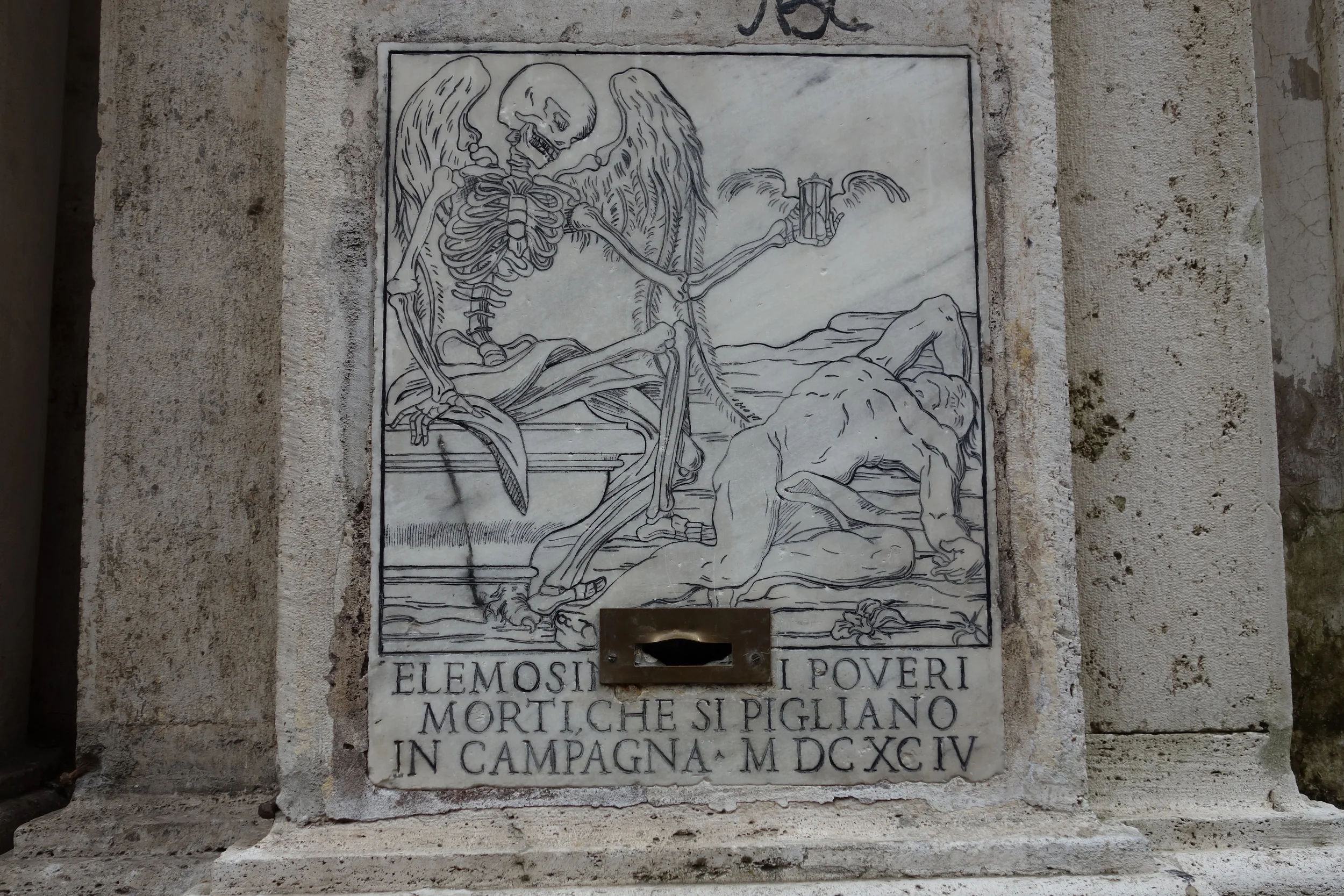
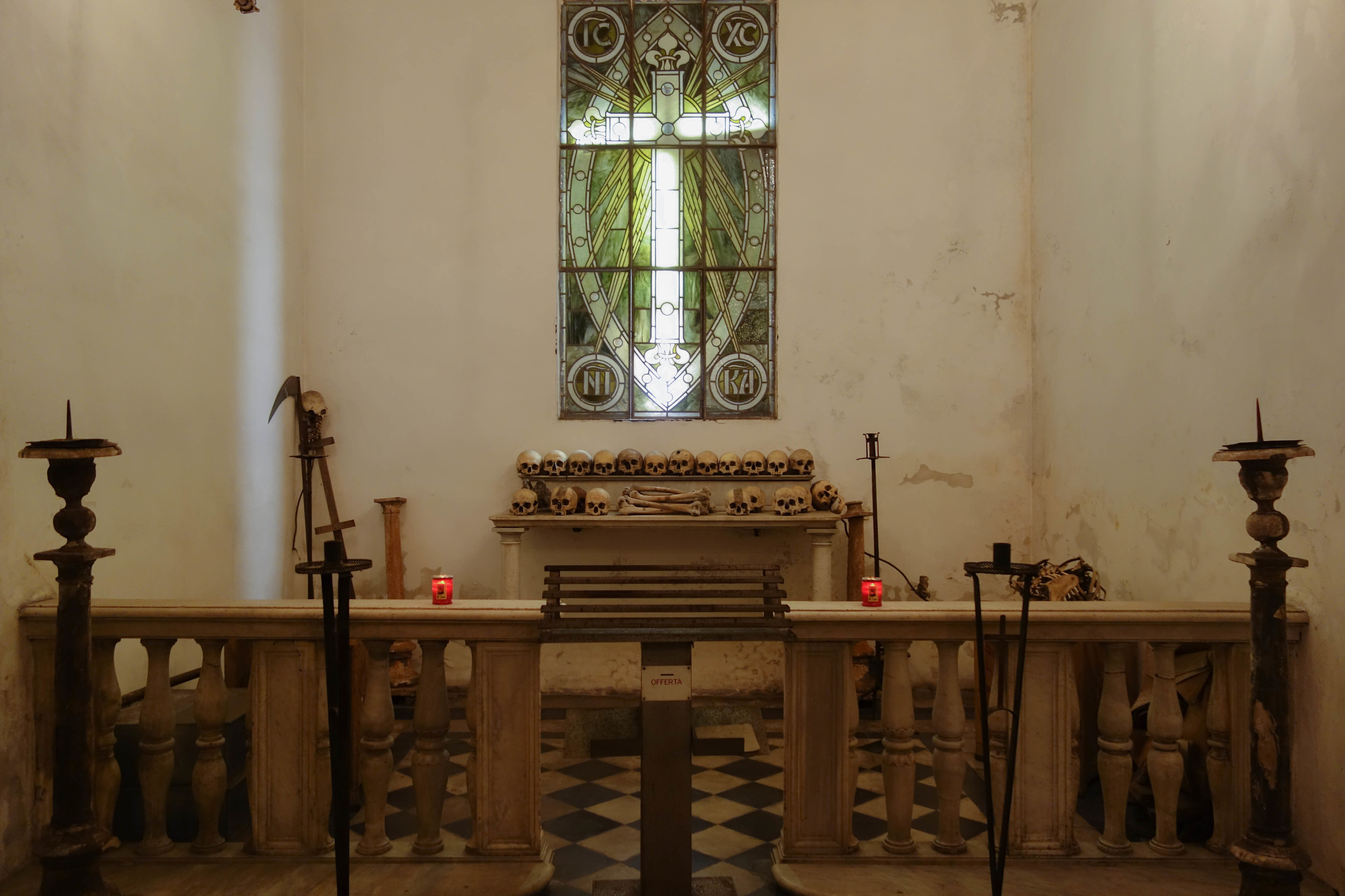
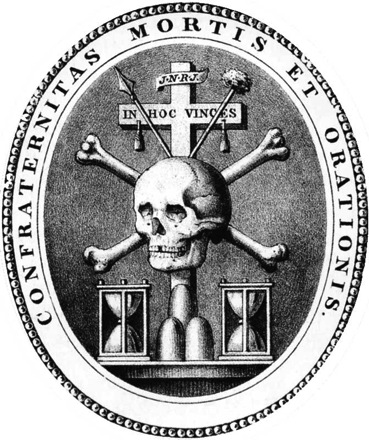

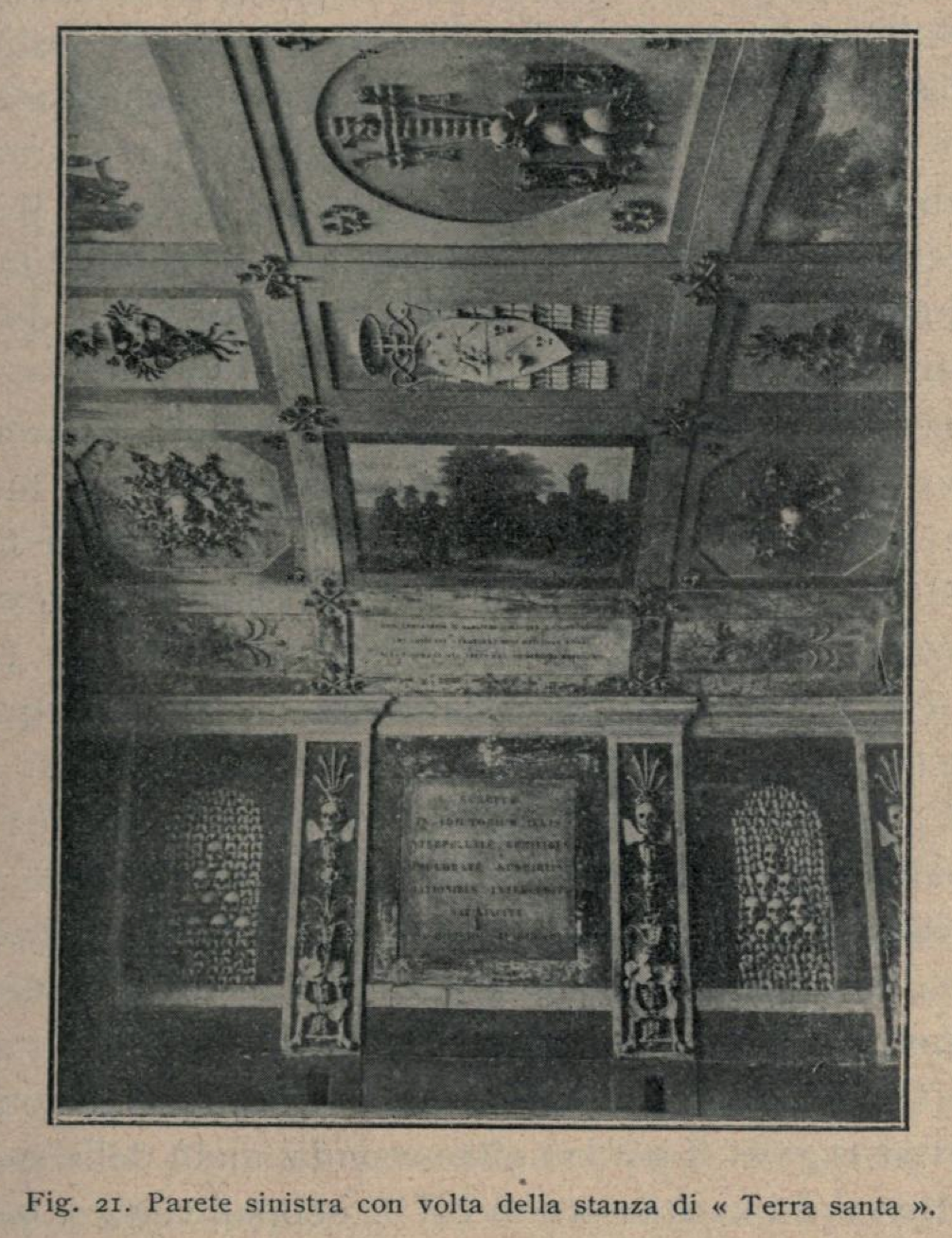
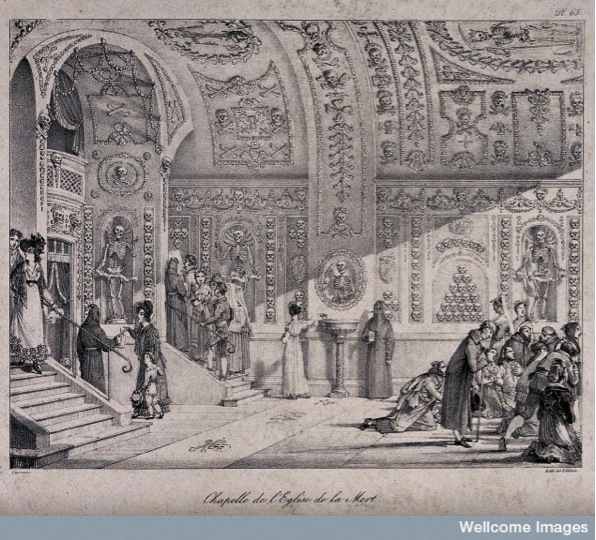

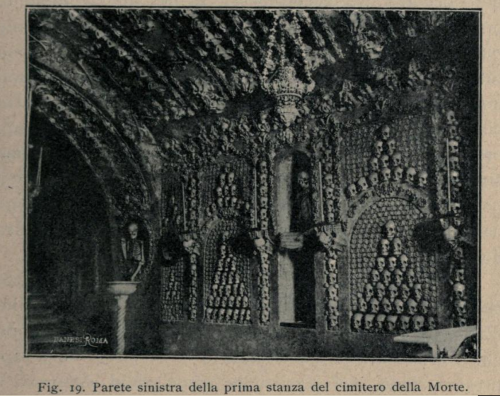
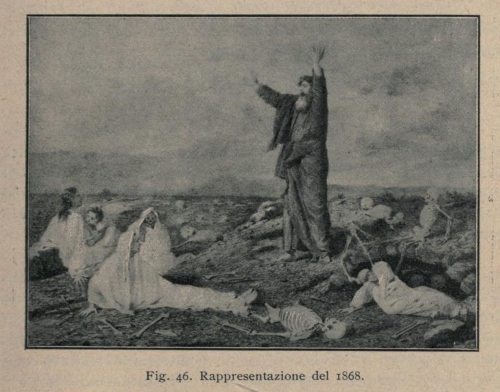

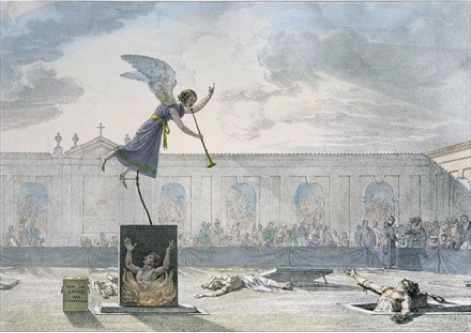
Terror-Stricken in Paris: A Crypt for Bloodstains and Bones: Atlas Obscura
Originally published on Atlas Obscura.
The motto liberté, égalité, fraternité is all over Paris, from the walls of the Panthéon to the Hôtel de Ville. Yet that famous phrase of "liberty, equality, fraternity" omits a few words that were often included during the French Revolution: “ou la morte” — "or death."
Put that way, it might remind you of the Reign of Terror that swept through the ideals of the Revolution. But without it, the city’s violent history hides in plain sight. Despite reminders of the Revolution nearly everywhere you look, from mass graves from the guillotine at the Cimetière de Picpus to the stones of the Bastille reconstructed as the Pont de la Concorde, the one thing that can be hard to fathom in modern-day Paris, is the sheer terror of The Terror.
It’s perhaps most noticeably absent in Marie Antoinette’s cell at the Conciergerie. To Americans like me, the name alone suggests the Four Seasons instead of death row. In her cell, a mannequin serves as a stand-in for the queen, but she’s frozen in time, sitting in front of a tiny altar with her head eternally attached to her neck. It’s difficult to imagine the panic and dread she must of felt beneath her dignified façade on the way to the scaffold, but then again, being sympathetic and well-understood was never Marie Antoinette’s strong suit. Even the original site of the guillotine that decapitated her doesn’t inspire much fear today, transformed into the Place de la Concorde with its enchanting, illuminated obelisk.
But there’s at least one place where the violence of the French Revolution is still palpable. Every Saturday at 3 pm, you can take a guided tour of the crypt beneath St. Joseph des Carmes. There you can see the battered remains and bloodstains of some lesser-known victims of The Terror — a group collectively known as the martyrs of September.
The martyrs were a group of priests, seminarians, bishops, and, most famously, the Archbishop of Arles. They were rounded up by a mob of sans-culottes and imprisoned in the convent near St. Joseph's after refusing to take an oath that undermined papal authority. The mob’s punishment for this transgression was quick and especially brutal. They began killing their prisoners on September 2, 1792, when they bashed in the Archbishop’s head, stabbed him, and trampled the body.
The following day the mob set up a kangaroo court to try the remaining prisoners. Martyrologist John Foxe described them as soaked in blood up to the elbows with executioners and judges freely subbing in for one another without bothering to wipe the gore off their hands.
Unsurprisingly, nearly all the clergy members were found guilty. But instead of condemning them from the bench, the judges simply told them they were free to leave. Each defendant left down the same stairway and at the bottom there were plenty of people waiting to hack their bodies apart. British ambassador, Earl Gower,described the wake the mob left behind:
“After [the killings] their dead bodies were dragged by the arms or legs to the Abbaye… here they were laid up in heaps till carts could carry them away. The kennel was swimming with blood, and a bloody track was traced from the prison to the Abbaye door where they had dragged these unfortunate people.”
When it was over, 190 people were killed at the convent in just two days. Their bodies were thrown in a pit and covered in quicklime.
Today, some of the recovered bones of the martyrs are on display in the church crypt. Many still have the obvious marks of swords and pikes. Some skulls sit in niches, while others are stacked in a cabinet above the epitaph, "Having preferred death to violating the holy law of God, they were massacred." In a separate room, bloodstained paving stones are displayed. The spilled blood, coupled with the list of names of the martyrs and the portraits of the executed bishops, allows us an unusually visceral, yet empathetic look at these casualties of the Terror.
Of course there are other, less shocking monuments to the Martyrs of September. Every day at nearby Saint-Sulpice, visitors pass a memorial featuring two black angels without knowing the story behind it. There, The Terror continues to hide in plain sight.
(Special thanks to Marie-Christine Pénin for her photos of the crypt. See more at www.tombes-sepultures.com. Engraving: "The Massacre Of The Priests In September 1792" by Hippolyte de la Charlerie, photo of the memorial to the Martyrs of September by Allison C. Meier)